
Last updated November 22, 2026
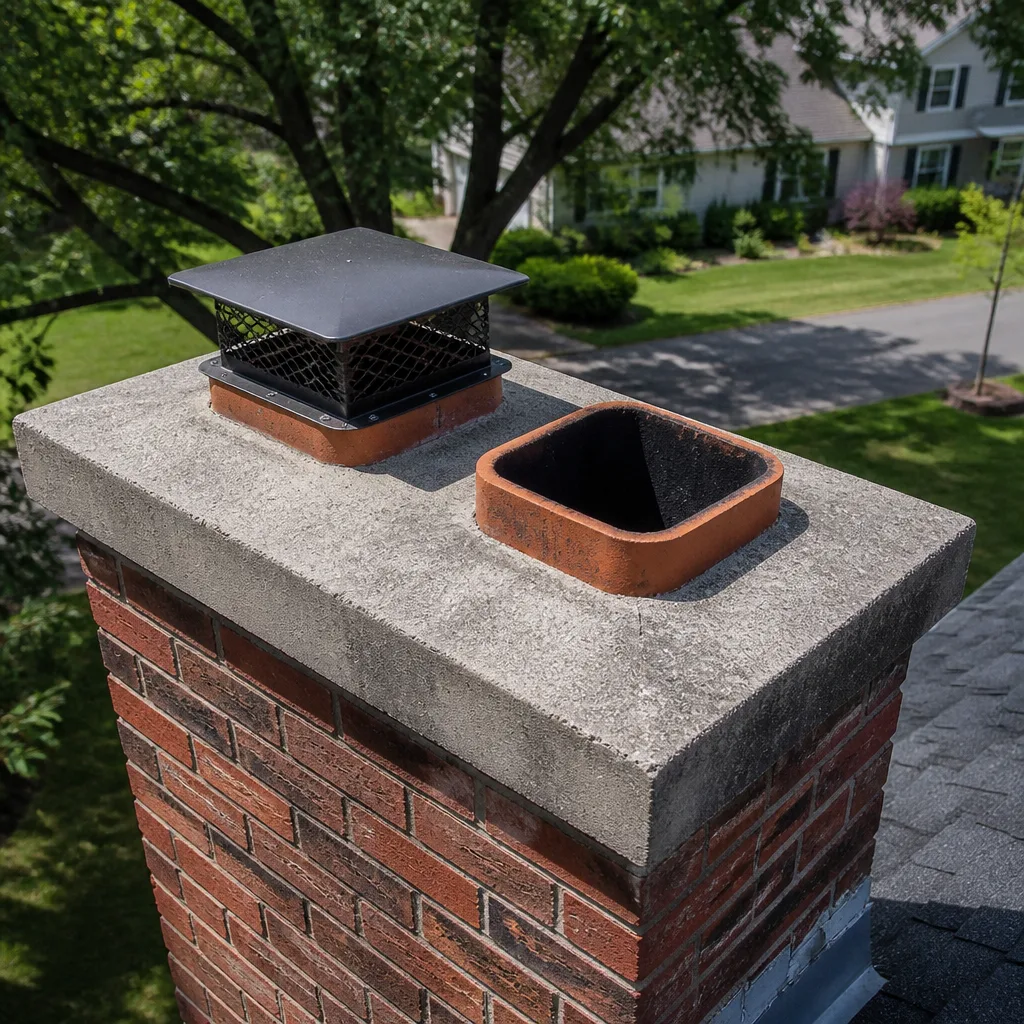 Sweep & inspection
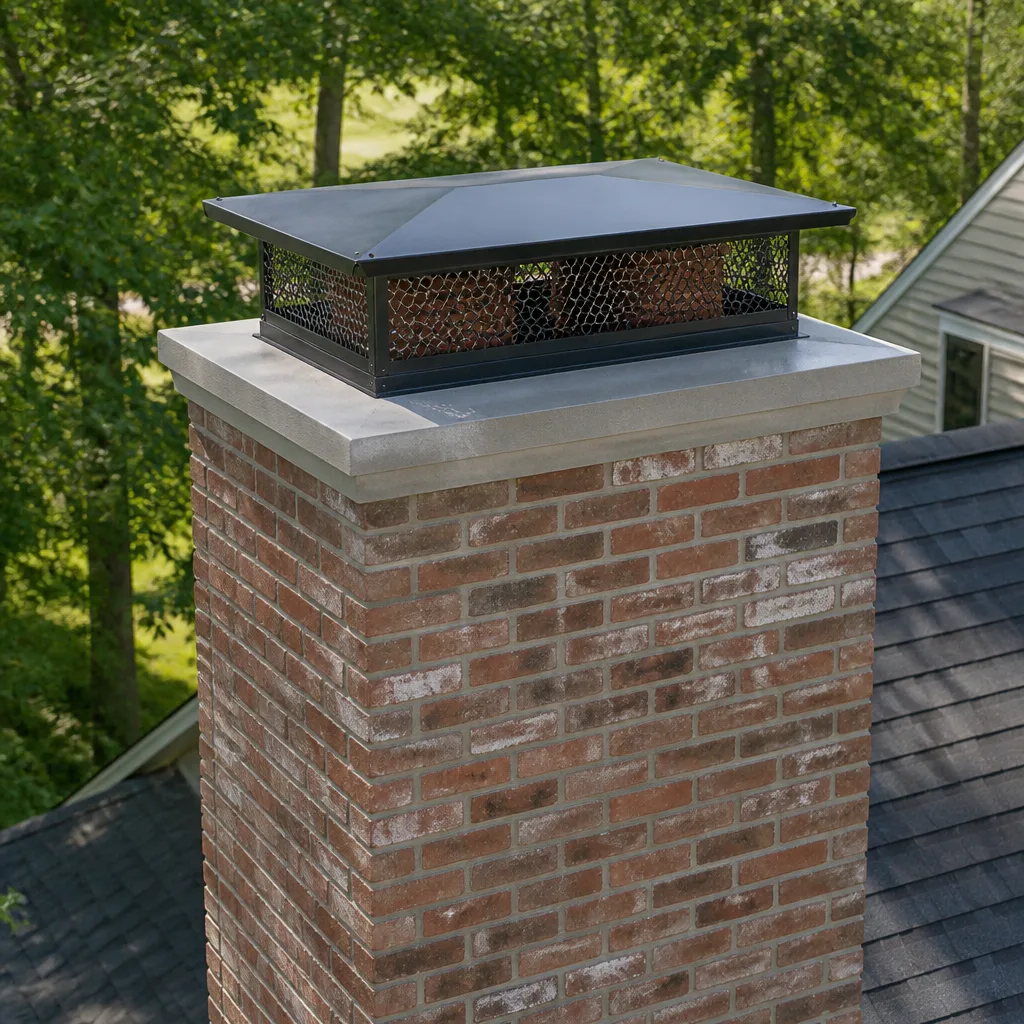 Caps & crowns
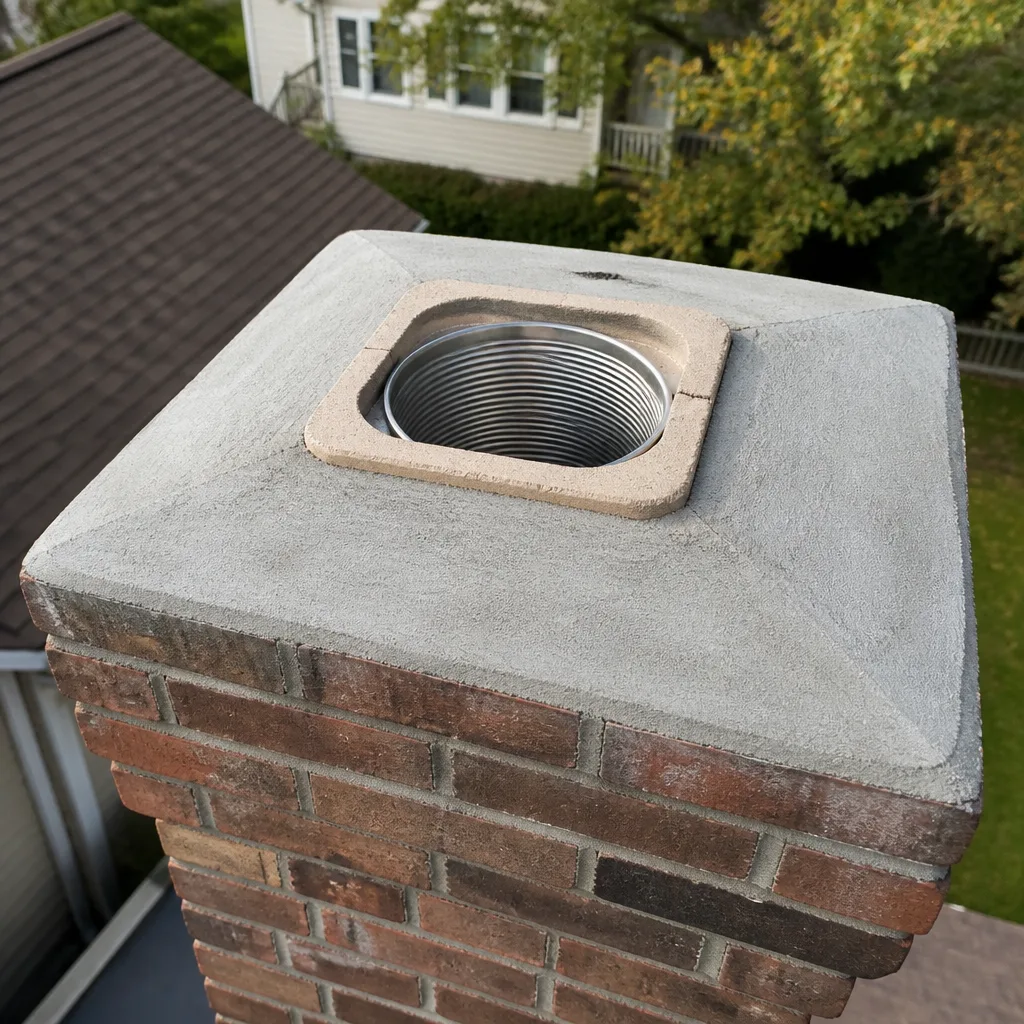 Flue relining
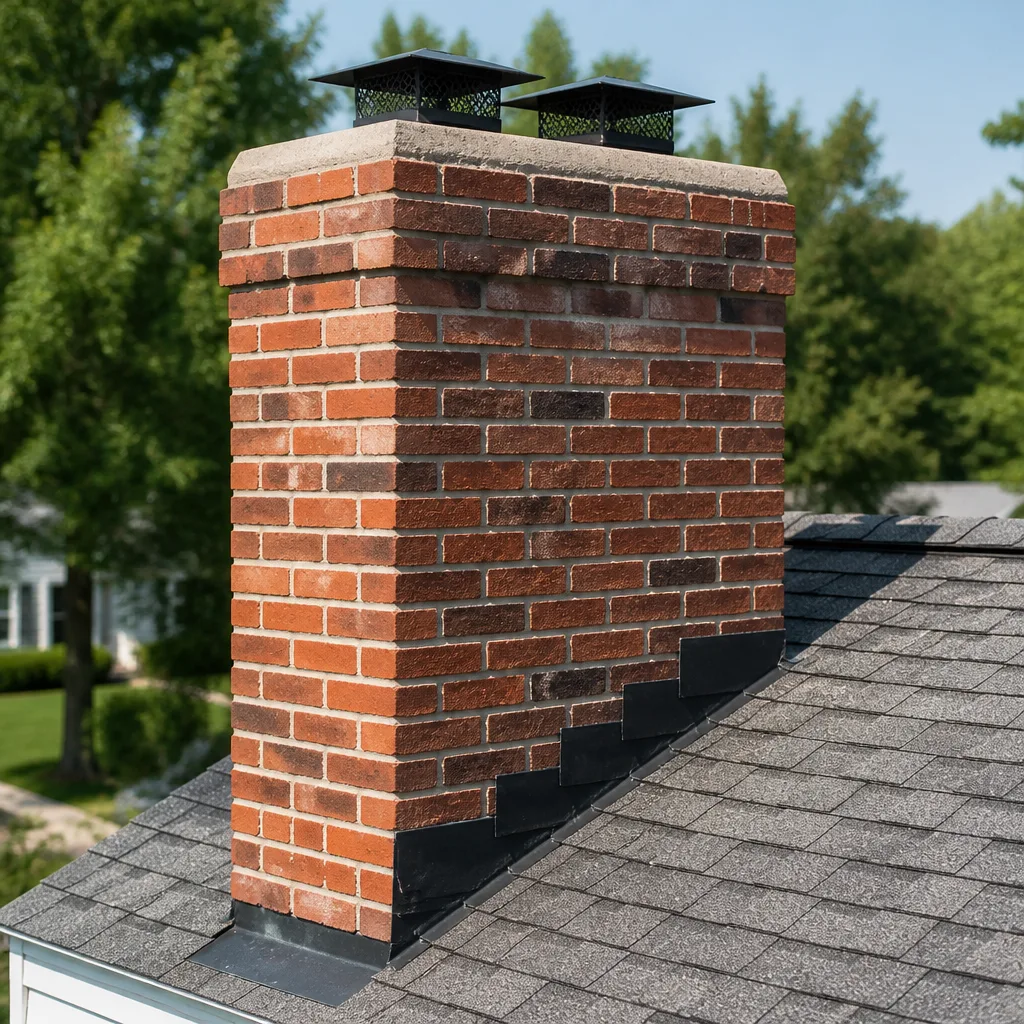 Masonry repair
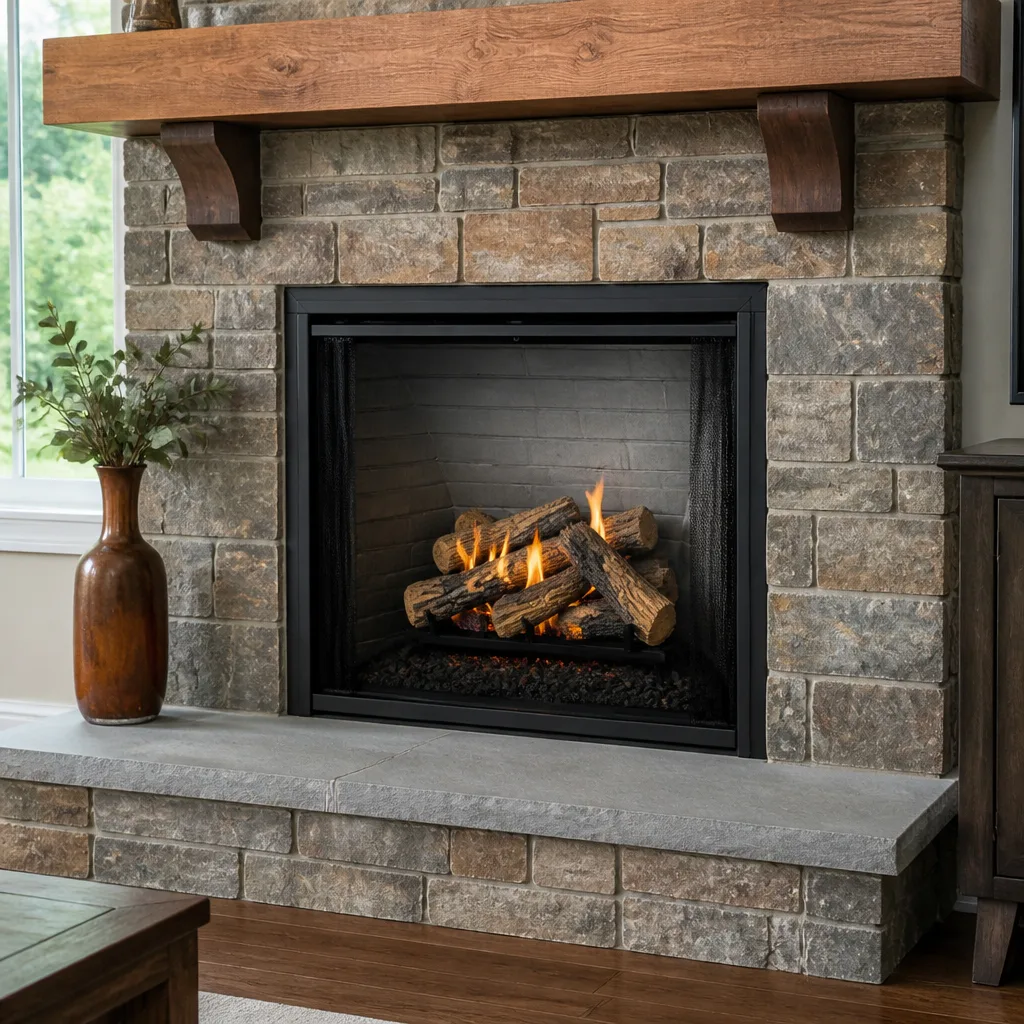 Gas fireplace service
Level 1 sweep and inspection to the NFPA 211 annual standard - flue, crown, cap, and flashing checked and photographed
Chimney sweep logs do not sweep chimneys. They loosen some creosote - which then falls where a brush and vacuum still have to collect it.
Chimney Cleaning Warning Signs: A Flatbush Homeowner’s Reference Guide
Most people picture a chimney problem as something loud and obvious. In practice, the trouble almost always announces itself quietly, weeks before anything dramatic happens. A faint smell in August. A white chalky bloom on the brick above the roofline. A puff of smoke that rolls back into the room when a fire catches. These are clues, not emergencies, and reading them correctly is what separates a routine sweep from a rebuild. This guide walks through the warning signs we look for on chimneys in Flatbush, what each one usually means, and how to tell which ones can wait and which can’t.
Quick Answer
The main chimney cleaning warning signs are Stage 2 or Stage 3 creosote inside the flue, a strong smoky or sulfur smell when the fireplace isn’t in use, white or rust-colored staining on exterior brick, smoke spilling back into the room, and stains or carbon monoxide alarms near the chimney chase. Any one of these means the chimney needs a professional inspection before the next fire, not necessarily a major repair.
Styles & brands we work with
- Sweep & inspection
- Caps & crowns
- Flue relining
- Masonry repair
- Gas fireplace service
Table of Contents
- What creosote stages look like and what each one means
- Reading stains on the exterior brick around a Flatbush chimney
- Odor diagnostics: campfire smells, sulfur, and musty air
- Smoke behavior during use as a structural warning sign
- Interior warning signs: ceiling stains, CO alarms, and damper trouble
- Exterior clues: the cap, the crown, and the masonry joints
- A seasonal walkthrough for Flatbush homes
- Frequently asked questions
What do the different creosote stages look like, and what does each one mean?
Creosote is the tar-like residue left behind when wood smoke cools against the flue walls, and it builds in three recognizable stages. Stage 1 looks like a light dusting of soot or flaky black powder that brushes off easily. Stage 2 is a crustier deposit, sometimes shiny, that clings to the flue and needs more than a light brush. Stage 3 is glazed, hardened, and looks almost like a varnish or a burned-on coating. Stage 3 is the genuinely dangerous one, and it’s the reason chimney fires happen.
Here’s what each stage usually means for your next move:
- Stage 1 (soot and light flake): Normal for a chimney used through a heating season. A standard sweep clears it, and no other work is typically needed.
- Stage 2 (crusty or shiny black deposit): The flue has been running cool or the wood has been wet. A sweep is overdue, and we’d want to look at how the fire is being burned. Small changes make a real difference here.
- Stage 3 (glazed, hardened coating): This needs professional attention, and rotating brushes alone often won’t remove it. Inspectors look for flue damage underneath the glaze, and a camera inspection is the honest way to see what’s actually there.
In Flatbush, the weather pattern matters. The borough’s damp shoulder seasons mean wood stored outside picks up moisture quickly, and wet wood is the single biggest driver of Stage 2 and Stage 3 buildup. A chimney burning dry, well-seasoned wood produces less creosote at every stage. Wet wood produces more, faster, and it does so in a borough where many fireplaces are used as a backup heat source rather than a decorative feature.
We inspect before we recommend anything. If the flue shows Stage 1, we say so, and a routine chimney sweep is all the chimney needs for the season. Our technicians have up to 9 years of experience reading exactly this kind of deposit, and there’s no reason to make the diagnosis sound worse than it is.
Reading stains on the exterior brick around a Flatbush chimney
Staining on exterior masonry is a diagnostic language, and the color tells you which internal problem you’re looking at. White, chalky bloom is efflorescence, a salt deposit left when moisture passes through the brick and evaporates on the surface. Rust-colored streaks usually come from a corroded metal component, most often a cap or a damper assembly above the firebox. Dark, irregular streaking is different: it usually means smoke or creosote has escaped the flue and reached the outside of the chimney.
Broadly, here’s how to read the three:
- White efflorescence: Water is moving through the brick. The brick itself may be fine, but the source of the moisture (usually a cracked crown or open mortar joint) needs to be found.
- Rust streaks: A metal part is corroding. Often the chimney cap, sometimes the damper or a component inside the smoke chamber. Rust streaks mean moisture is getting where it shouldn’t.
- Dark vertical streaking: This points to either an exterior masonry leak or an internal flue failure. A camera inspection and a look at the flue from the top separates the two.
Flatbush brick rowhouses and standalone houses face these signs in slightly different ways. On a mid-block rowhouse chimney, the crown is often the first thing to fail, because it sits at the top of a shared stack where water collects and freeze-thaw cycles widen small cracks. On a freestanding house, the same freeze-thaw pressure hits the mortar joints along the exposed sides. Once water gets into the masonry, it finds the flue, and from there the interior damage begins. A chimney cap & crown that’s still doing its job keeps most of this from starting in the first place.
Odor diagnostics: what does each smell mean?
Every distinct smell around a chimney points to a different cause, and none of them are imaginary. A campfire smell in summer, when there’s no fire burning, usually means creosote or soot in the flue is absorbing humidity and releasing it back into the house. A sulfur or rotten-egg smell typically points to moisture reacting with deposits or to debris (sometimes an animal nest) sitting in the flue. A musty odor is different again, and generally means water has settled in the firebox, the smoke chamber, or behind the damper.
Matching the smell to the cause:
- Smoky campfire smell in warm weather: Creosote in the flue pulling moisture from the air. A sweep clears the smell and prevents it from returning through the off-season.
- Sulfur or rotten-egg: The flue or smoke chamber has moisture and organic material sitting in it. This is a strong reason to inspect before using the fireplace again.
- Musty, damp, cellar-like: Water is entering the system and not drying out. The cap and crown are the first places to check, since a failed crown sends water straight down the flue.
- Sharp acrid smell after a fire: Usually wet wood or a fire burned too cool. This is the recipe for new creosote, and worth correcting before the next burn.
These smells are often worse in summer for a simple reason: a hot flue vents upward, but a cool flue in humid weather doesn’t pull air the same way, so anything sitting inside the chimney becomes noticeable. A homeowner who only smells a problem in July isn’t imagining it. The chimney is telling you what’s inside. A formal inspection documents that, and we offer inspections as a standalone service so nothing has to be bundled into repair work unless the evidence supports it.
What does smoke behavior during use tell you about the chimney?
How a fire’s smoke behaves during use is one of the most reliable warning signs available, and it’s free to observe. A well-drawing chimney pulls smoke cleanly up the flue. A compromised one shows one of three patterns, and each points to a specific structural issue.
- Backdrafting (smoke rolling back into the room when the fire is lit): The flue is either blocked, undersized for the fireplace opening, or competing with other exhaust in the house. This is a safety issue, not a comfort one, and the chimney should be inspected before the next fire.
- Slow draw or lazy smoke: The flue is cold, or there’s a partial obstruction such as a bird nest, a failed liner section, or excessive creosote narrowing the passage. A slow draw alone doesn’t confirm a problem, but it’s worth documenting.
- Smoke spillage at the firebox: The smoke starts up the flue and rolls back out at the top of the firebox opening. Often this means the smoke chamber is poorly shaped or lined with rough masonry catching the flow. HeatShield resurfacing is one of the tools we use to correct that geometry without replacing the whole liner.
In Flatbush’s older housing stock, backdrafting shows up more often than homeowners expect, and it usually isn’t caused by the fire itself. Modern tightly sealed windows and doors in a renovated rowhouse reduce the household air the chimney needs to draw against. That’s a house-level issue worth understanding, not a chimney-level failure, and an inspection can tell you which one you’re dealing with.
Interior warning signs: ceiling stains, CO alarms, and damper irregularities
The inside of a Flatbush home can show chimney problems before the flue ever gets inspected. Three signs in particular deserve attention, because each one can point to something the chimney is doing that the homeowner can’t see from the outside.
- Staining on ceilings or walls near the chimney chase: Discoloration around the chase usually means moisture is escaping from the chimney into the surrounding structure. It could be a failed cap, a liner leak, or water entering through the crown and traveling down. Left alone, this damages framing and finishes.
- A carbon monoxide detector that has tripped: This is the one sign that stops everything else. A tripping CO alarm near a solid-fuel appliance means the appliance’s combustion gases are not venting correctly. Leave the house, ventilate the space, and have the chimney and appliance inspected before anyone uses them again. Don’t test the alarm’s cause with a fire.
- Damper irregularities: A damper that won’t open fully, sticks, or doesn’t close all the way is often a rust or debris problem. It can also mean the damper assembly has warped from heat. Either way, it affects how the fireplace draws, and it’s worth checking before the heating season.
One more internal sign worth watching: a fireplace that used to burn cleanly and now leaves a heavier soot film on the glass doors or firebox face. That change in behavior is a warning sign of its own, because it usually means something about the draw has changed, and the culprit is often a partial flue obstruction or a failing liner.
These interior signs are exactly why we treat inspection as its own service. A general chimney inspection documents what’s actually happening with the whole system, and it doesn’t commit the homeowner to any repair. If the ceiling stain is a leak around a failed crown, that’s a chimney repair, not a liner replacement. If it’s a liner failure, the diagnosis matters before anyone writes a big number on a quote.
Exterior clues: the cap, the crown, and the masonry joints
The top of a chimney takes more weather than any other part of the house, and most exterior warning signs start there. A chimney cap that’s missing, damaged, or only loosely fitted lets water and animals straight into the flue. A crown that’s cracked or spalling lets water soak the masonry of the chimney itself. Neither of these produces dramatic sights from the ground, but both drive most of the interior damage a homeowner eventually sees.
What we look for when we’re up top:
- Cap condition: Missing screens, rusted mesh, or a cap that’s slipped out of position. We fit Gelco and Famco caps built to manufacturer specifications, and a properly installed cap is the first line of defense against water and nesting birds.
- Crown condition: Cracks, spalling, or a crown that’s pulling away from the flue tiles. The crown is the concrete or mortar slab at the top of the chimney, and when it fails, water goes straight into the flue with nothing between it and the interior of the house.
- Mortar joints: Crumbling or recessed joints along the chimney stack, especially where the freeze-thaw cycle has been working on the chimney through several winters. Repointing keeps water out of the masonry.
- Visible flue tiles from the top: Cracked or missing tiles are a sign the liner needs internal inspection. Some Flatbush chimneys are old enough to have clay tile liners that have shifted or broken over time.
When a flue needs relining and the original configuration is non-standard or tight for a rigid system, we use DuraFlex flexible liner systems, because flexible liners allow correct installation in chimneys that rigid liners physically can’t fit. Olympia Chimney components and Copperfield specialty tools fill out the rest of the picture during inspection and sweep work. Naming the exact material matters to homeowners who want to know what’s going into their chimney, and it matters to us because these are the same brands commercial contractors use.
A seasonal walkthrough for Flatbush homeowners
A short walkthrough, done at the right time of year, catches most of these signs before any of them becomes expensive. The right time in Flatbush is the weeks before heating season, though the shoulder seasons are also fine for a first inspection if you’ve never had one.
- Late summer (before first burn): Walk outside and look at the chimney from a distance. Note any staining on the brick, any missing cap, or any change in the crown. Then look inside the firebox for crumbling mortar, unusual soot, or a damper that won’t move freely.
- First fires of the season: Watch smoke behavior. Rollback at the firebox, a slow draw, or smoke drifting back into the room at first lighting are all worth writing down and having checked.
- Mid-season: Check the damper, watch for a smell change, and confirm the CO detectors are working. These are simple, no-cost checks that catch real problems.
- After the last fire of the season: Book a sweep before the season is out. Deposits left inside the flue through summer take on moisture, and a clean flue in a cool, humid summer smells much better than a dirty one.
We’re a Flatbush chimney company, and we cover the full system, from firebox to cap, including liner, cap, crown, flue, and firebox, so a single inspection reviews everything in one pass instead of sending the homeowner to a second tradesperson. That matters for anyone managing a multi-unit property in Flatbush, because a rowhouse with several fireplaces has to be looked at as a system, not as separate jobs. We answer 24/7 and dispatch from 7am to 7pm, Sunday through Friday, so a booking call is straightforward whenever the walkthrough happens.
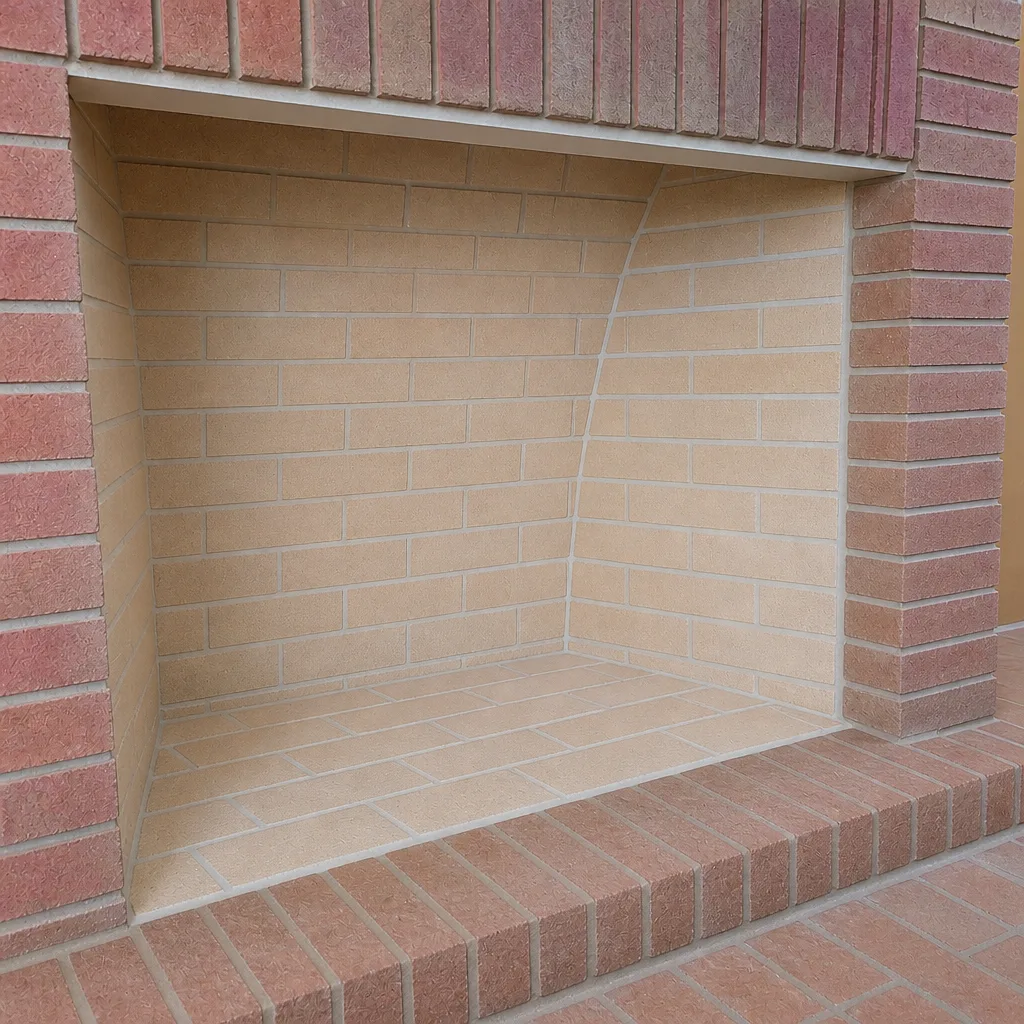
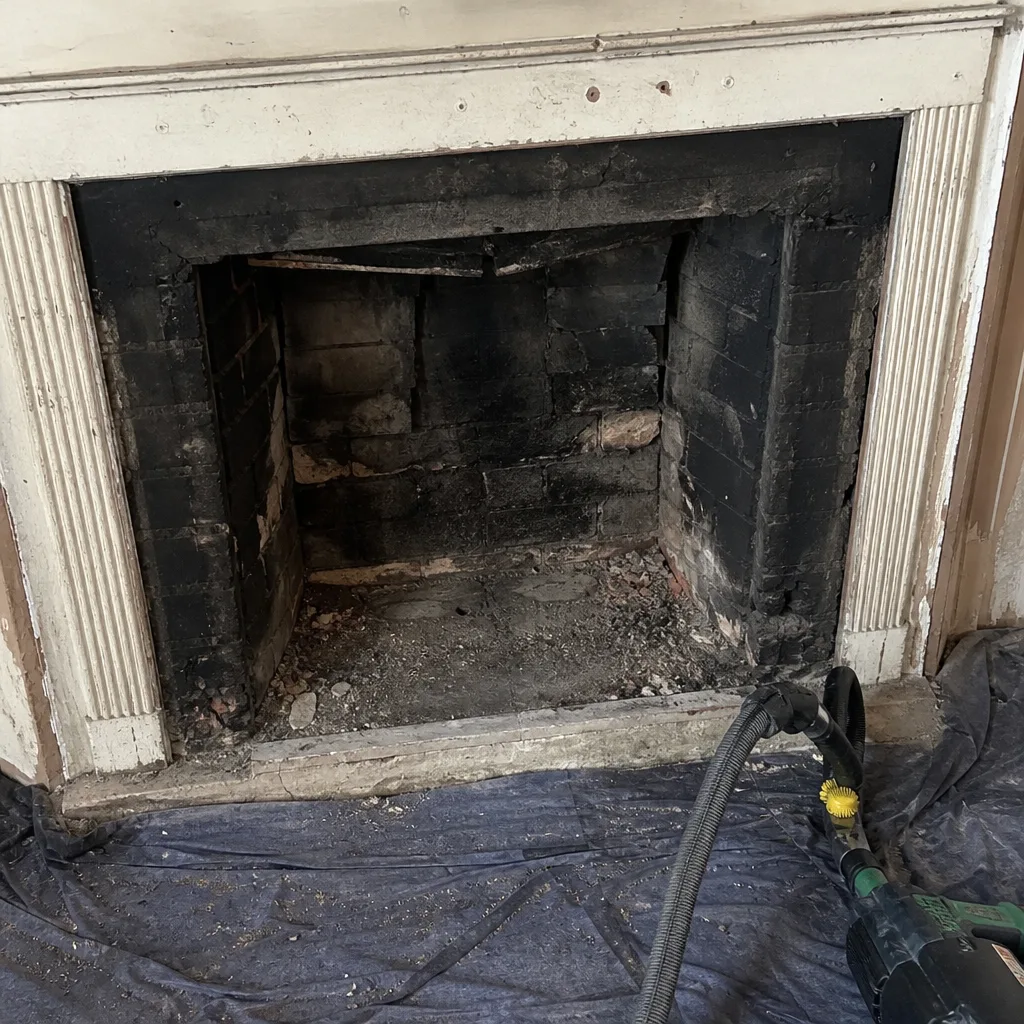
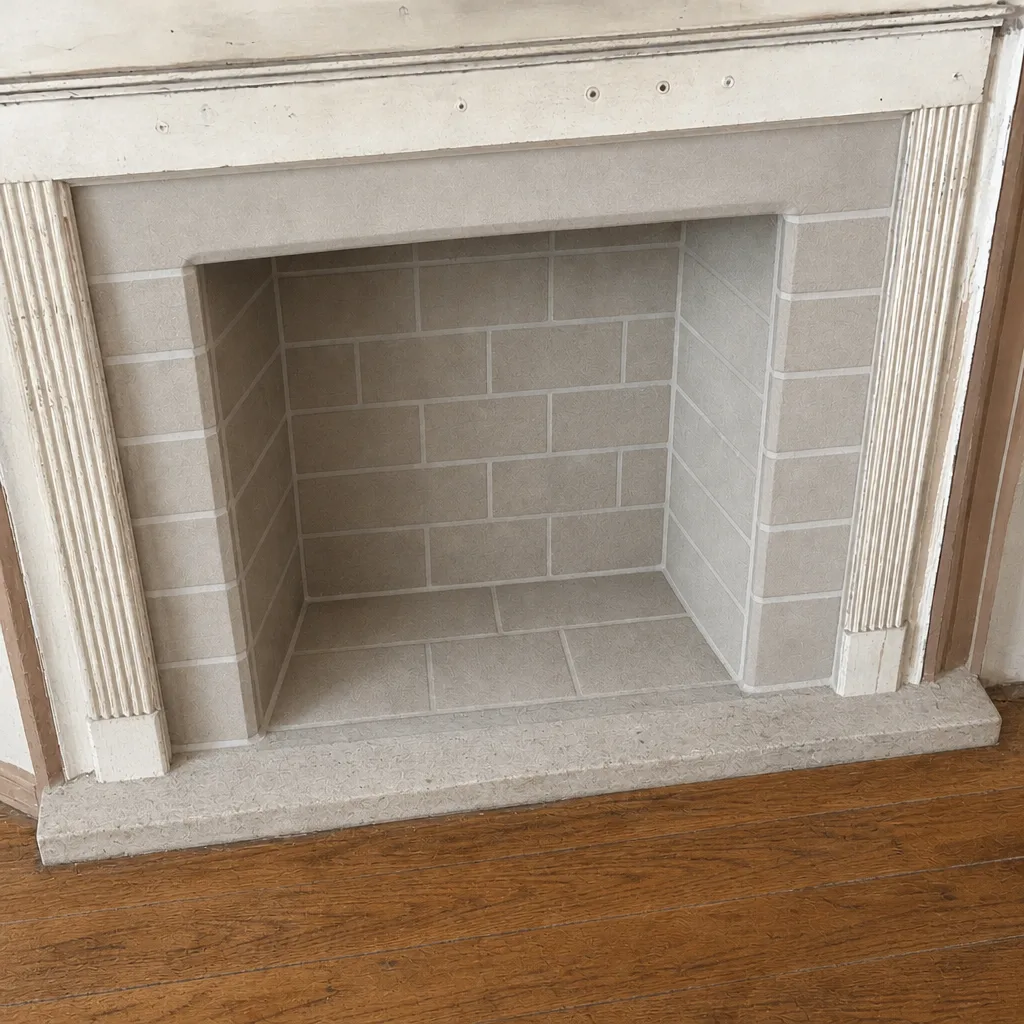
See the difference
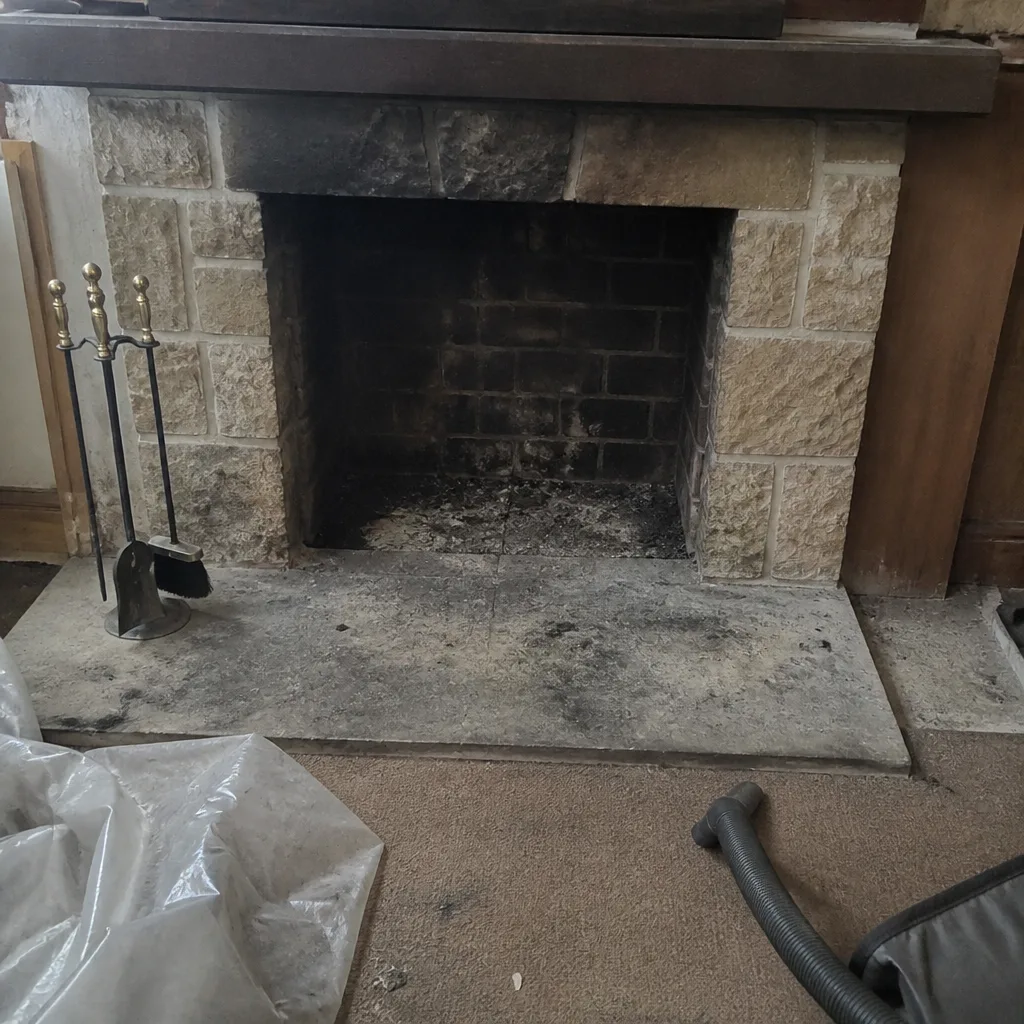 Before
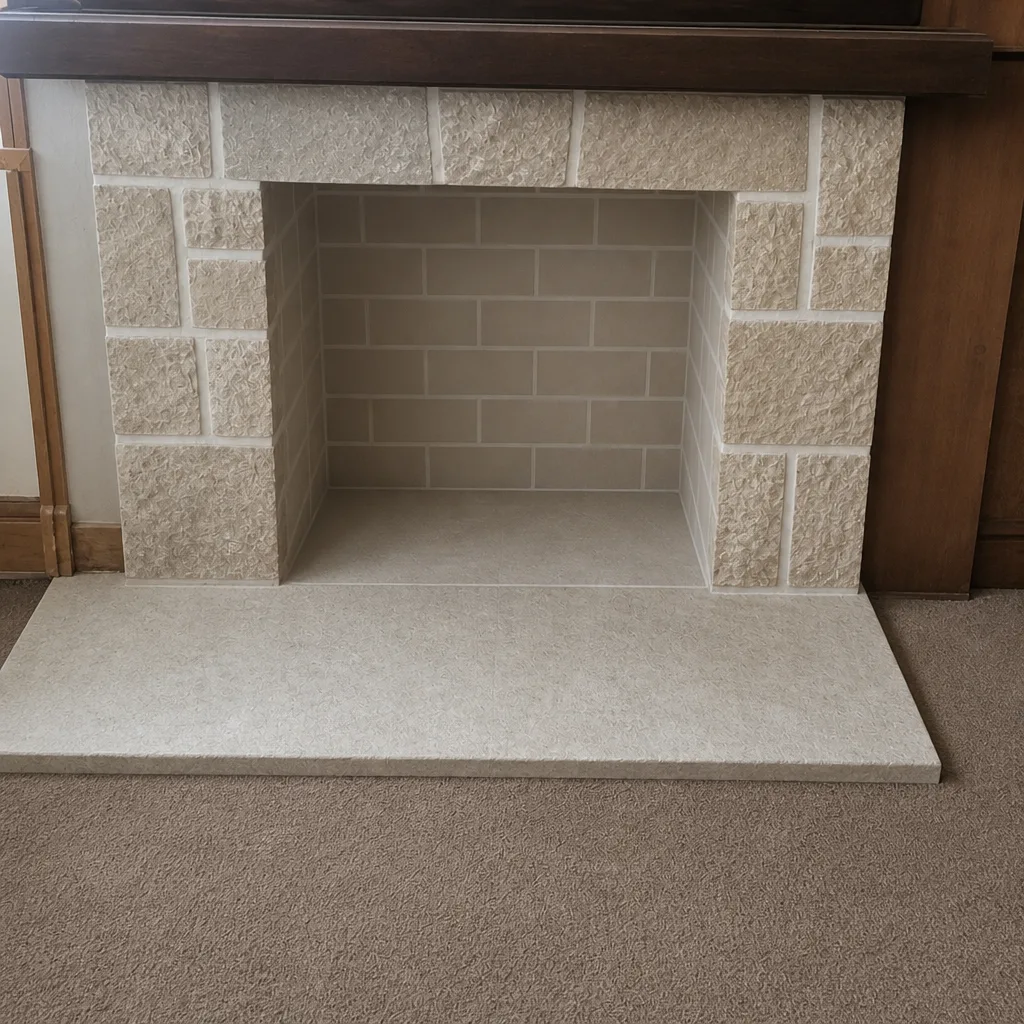 After
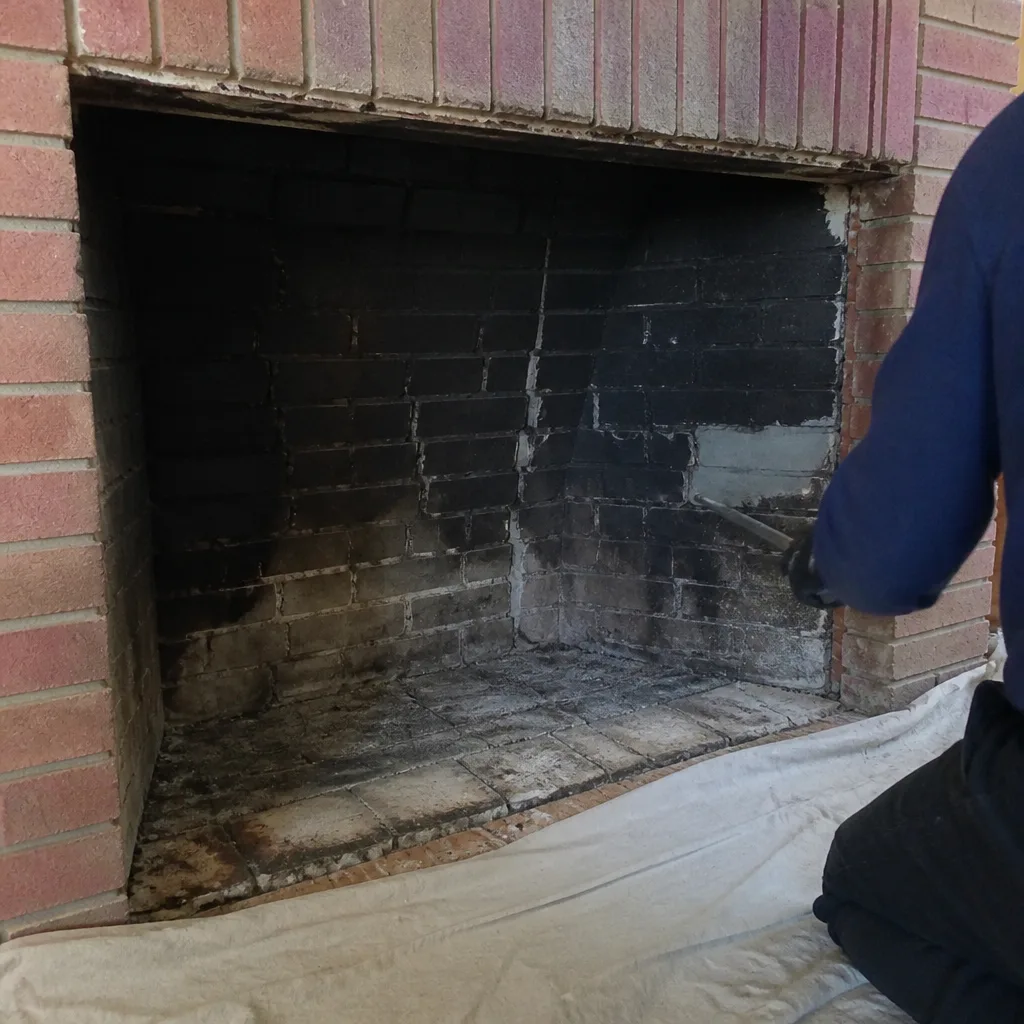 Before
 After
 Before
 After
Common Mistakes to Avoid
- Burning a fire through Stage 3 creosote. Glazed creosote is the actual fuel source in a chimney fire, and a small fire can ignite it. A sweep before the season is a fraction of the cost of a chimney fire.
- Treating efflorescence as cosmetic. White bloom on the brick is a moisture signal, not a stain to be scrubbed off. The crack that lets water in stays a crack until someone finds it.
- Ignoring a summer smell. A campfire smell in July doesn’t mean the chimney needs replacement. It does mean the flue is holding creosote, and the season is the perfect time to sweep it.
- Assuming the damper is fine because the handle moves. The damper can open partway and still be the cause of a poor draw. Getting it checked the same time as the flue saves a second visit.
- Running a fire after a CO alarm trip. A carbon monoxide alarm near a fireplace or wood stove is a stop signal. Ventilate the house, then have the chimney and appliance inspected before anyone lights a fire.
- Skipping the inspection because the fire “looks fine.” A fire can burn cleanly and still have a cracked tile or a leaking crown behind it. An inspection is the only honest way to see the flue.
- Hiring a sweep-and-go outfit for a problem that’s structural. A quick brush-out clears soot but doesn’t diagnose a liner failure. A missing cap or a failed crown needs an inspector, not a quick sweep.
When to Call a Professional
Call a professional when the flue shows Stage 2 or Stage 3 creosote, when a CO detector near the fireplace trips, when smoke rolls back into the room on first lighting, when exterior brick shows rust or dark streaking, or when a damper no longer moves freely. Also call if a chimney cap is loose or missing, since that lets water and animals into the flue. Inspection time is the smallest line on the bill, and it’s the one that answers whether the rest of the work is even needed. Chimney Sweep Flatbush offers free estimates in Flatbush – call (866) 937-7157. We answer 24/7. Fast dispatch from 7am to 7pm, Sunday through Friday. Every price is set per job by the written estimate, and no work is recommended without camera evidence you can see for yourself. Our technicians have up to 9 years of experience, and we’re glad to walk through the inspection report line by line before you decide anything.
Frequently Asked Questions
The first sign is usually a smoky smell in the house during summer, when no fire has been lit for months. It happens because creosote sitting in the flue absorbs humidity and releases it back into the room. It’s not dangerous on its own, but it does mean the flue should be swept before the next heating season. Call (866) 937-7157 for a free estimate and an inspection booking.
Chimneys should be swept once per heating season for homes that use the fireplace regularly, and inspected annually even if a fire isn’t burned often. Homes that burn wood as a primary heat source should have the flue checked more frequently, because buildup happens faster. If you’ve never had an inspection, that’s the place to start, before any sweeping. Call (866) 937-7157 to book one.
No. Many chimney fires sound like a low rumble or a distant roar, and some produce no sound at all. Damage to the flue and the surrounding masonry can happen quietly over weeks and only become obvious later. The safer approach is to look for warning signs before a fire happens, rather than rely on hearing one.
Yes, a blocked or partially blocked flue can force combustion gases back into the home, and carbon monoxide is one of those gases. That’s why a CO alarm near a fireplace or a wood-burning stove is treated as a stop signal. Leave the house, ventilate the space, and have the chimney inspected before using the fireplace again. Call (866) 937-7157 to arrange a chimney inspection.
Not necessarily. White efflorescence is evidence of moisture moving through the brick, which almost always traces to a cracked crown, a failed cap, or an open mortar joint rather than to the brick itself. The brick may be entirely sound. An inspection identifies the source of the moisture, and a targeted repair (often crown or cap) usually corrects it. Call (866) 937-7157 for a free estimate.
Not always. Liner replacement is one option, but HeatShield resurfacing is a structurally sound alternative when the damage is limited and the flue can be relined from the inside. It’s often the right choice for older chimneys where a full liner replacement would be disproportionate to the actual damage. A camera inspection is the only honest way to know which route is correct. Call (866) 937-7157 to book an inspection, and we’ll show you what the camera sees.
The Bottom Line
Chimney warning signs are quiet, and almost all of them are visible before any emergency. Read them in categories: what’s inside the flue (creosote stages), what’s on the exterior brick (staining), what the house smells like (odor diagnostics), how smoke behaves during use (draw and spillage), and what’s happening in the living space (stains, alarms, dampers). Each one is a diagnostic clue. Taken together, they tell you when a routine sweep is enough and when the chimney needs a documented inspection. We inspect before we recommend, and the inspection is a no-commitment service. Chimney Sweep Flatbush works across the full chimney system, from firebox to cap, and we’re glad to look at what your chimney is telling you. Call (866) 937-7157 for a free estimate. We answer 24/7. Fast dispatch from 7am to 7pm, Sunday through Friday.
Written by the team at Chimney Sweep Flatbush.