
Last updated November 22, 2026
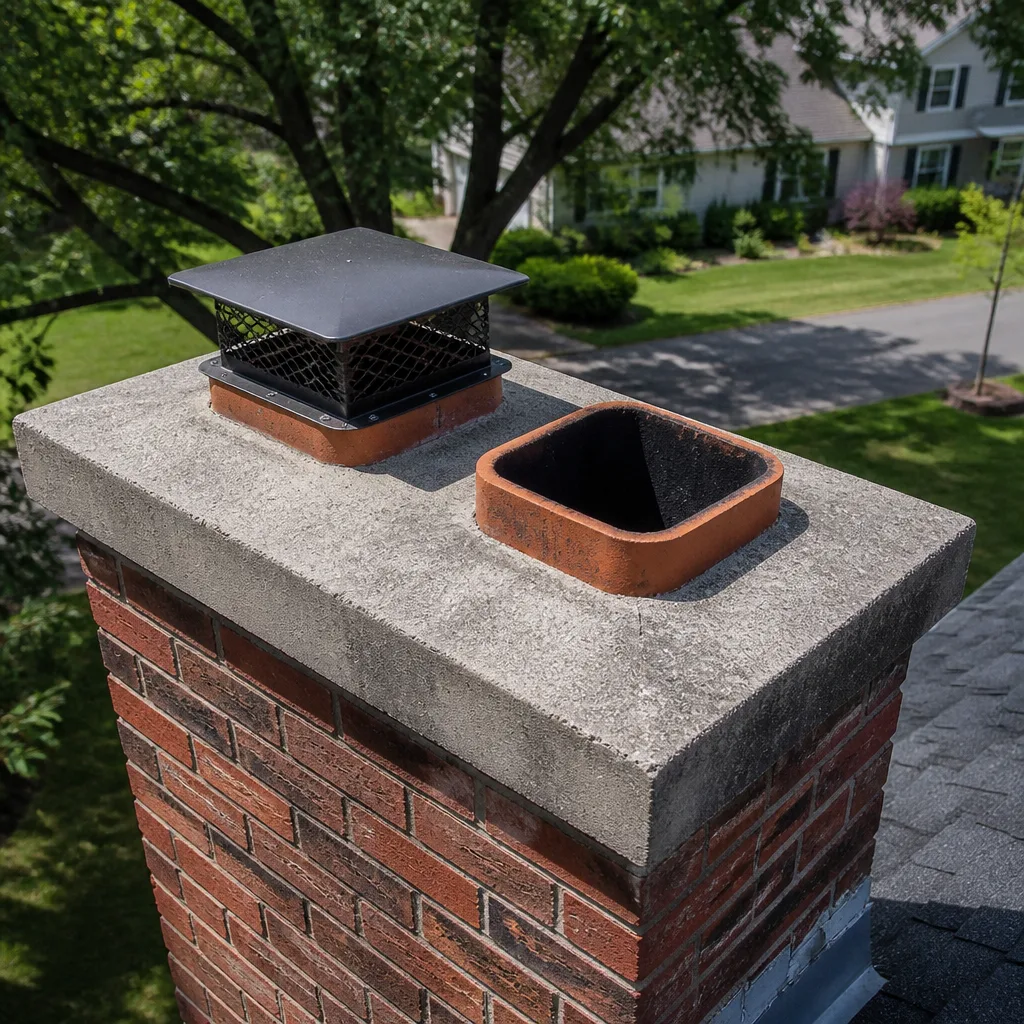 Sweep & inspection
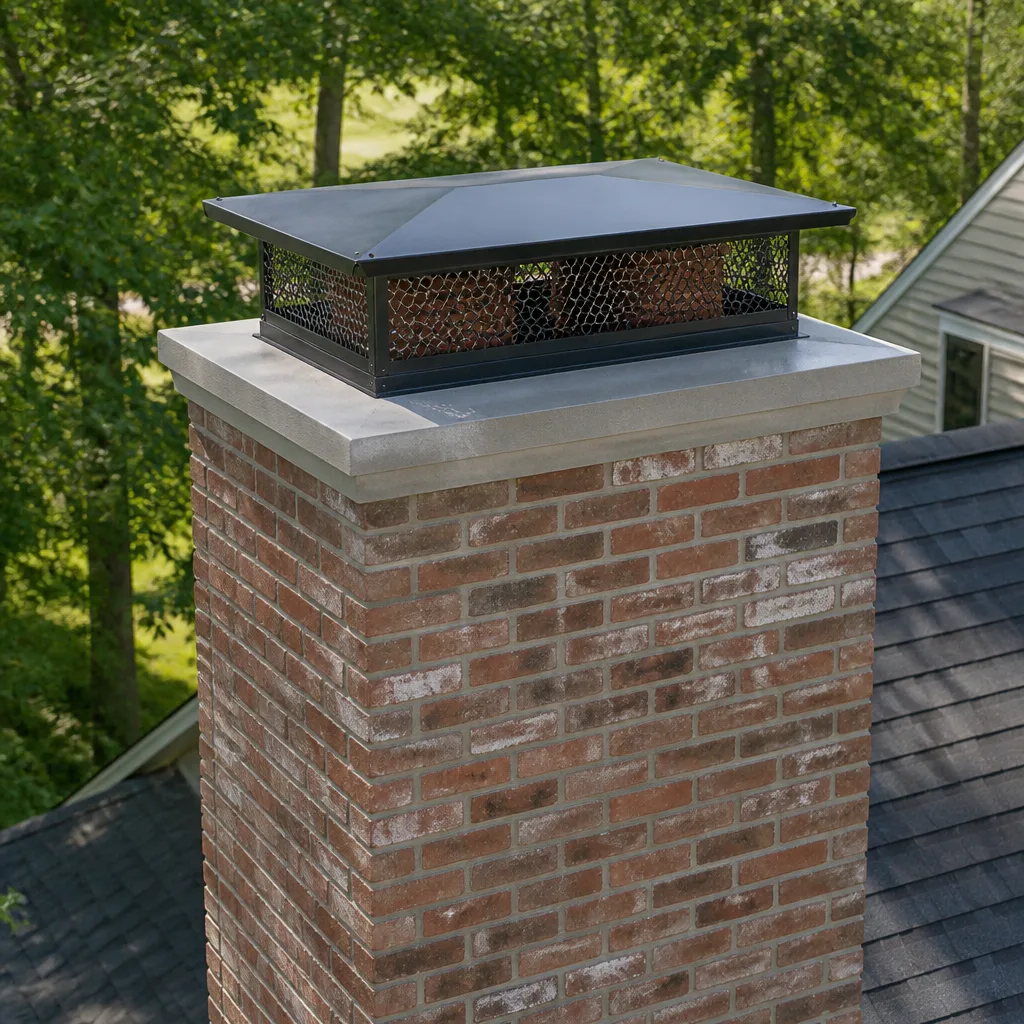 Caps & crowns
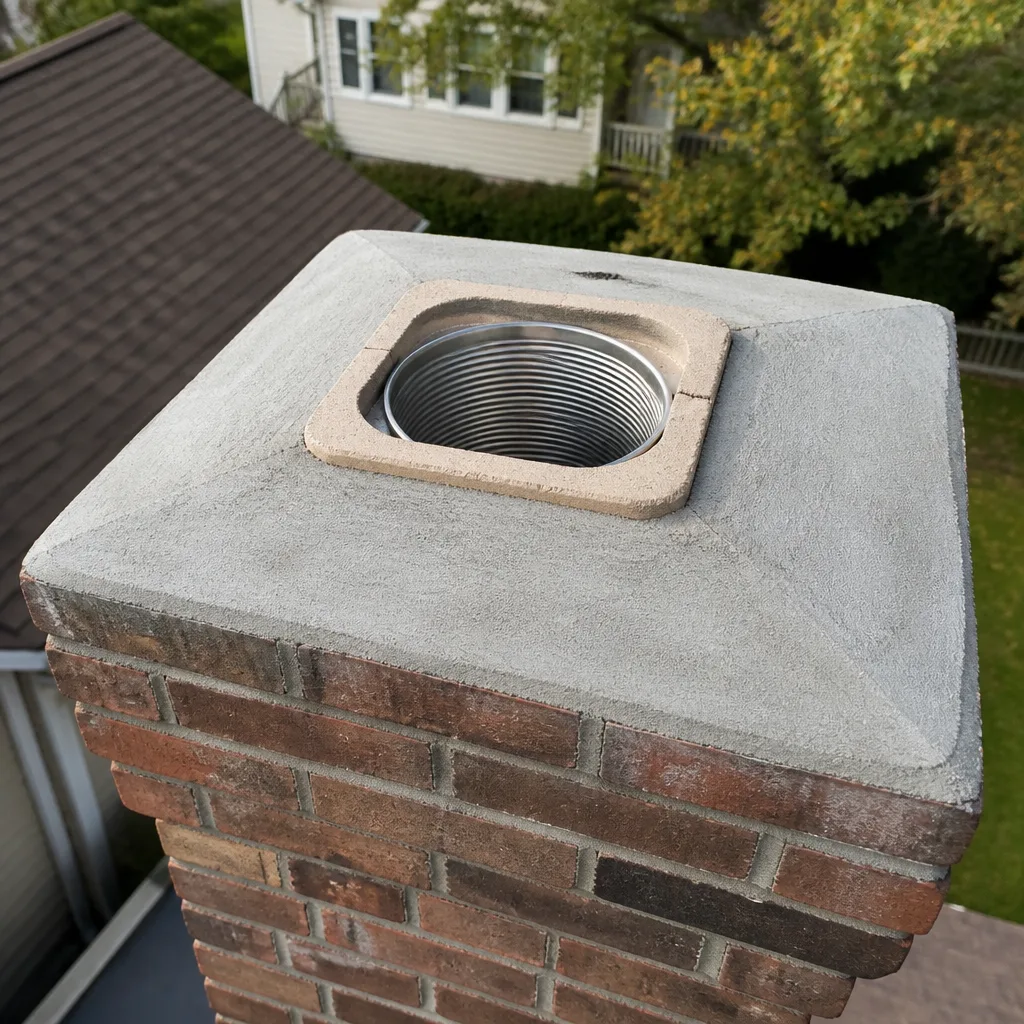 Flue relining
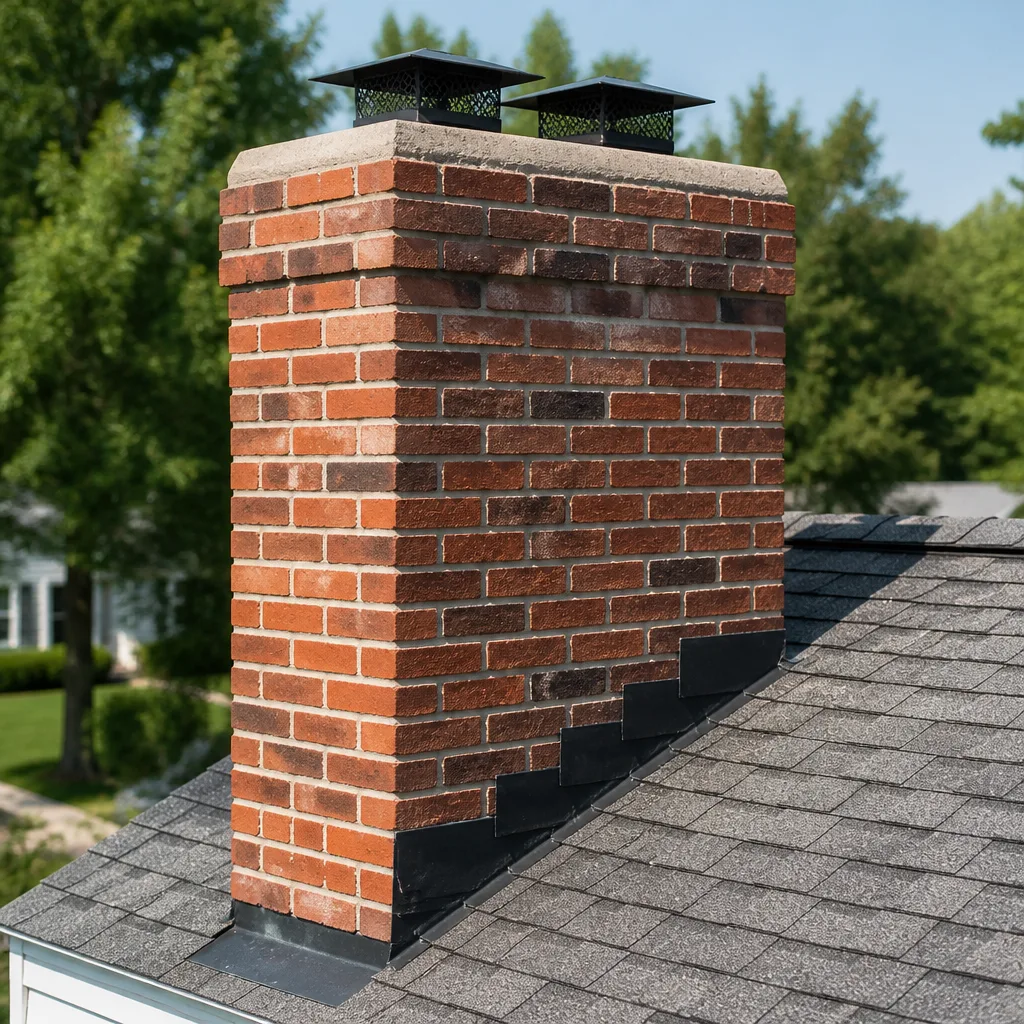 Masonry repair
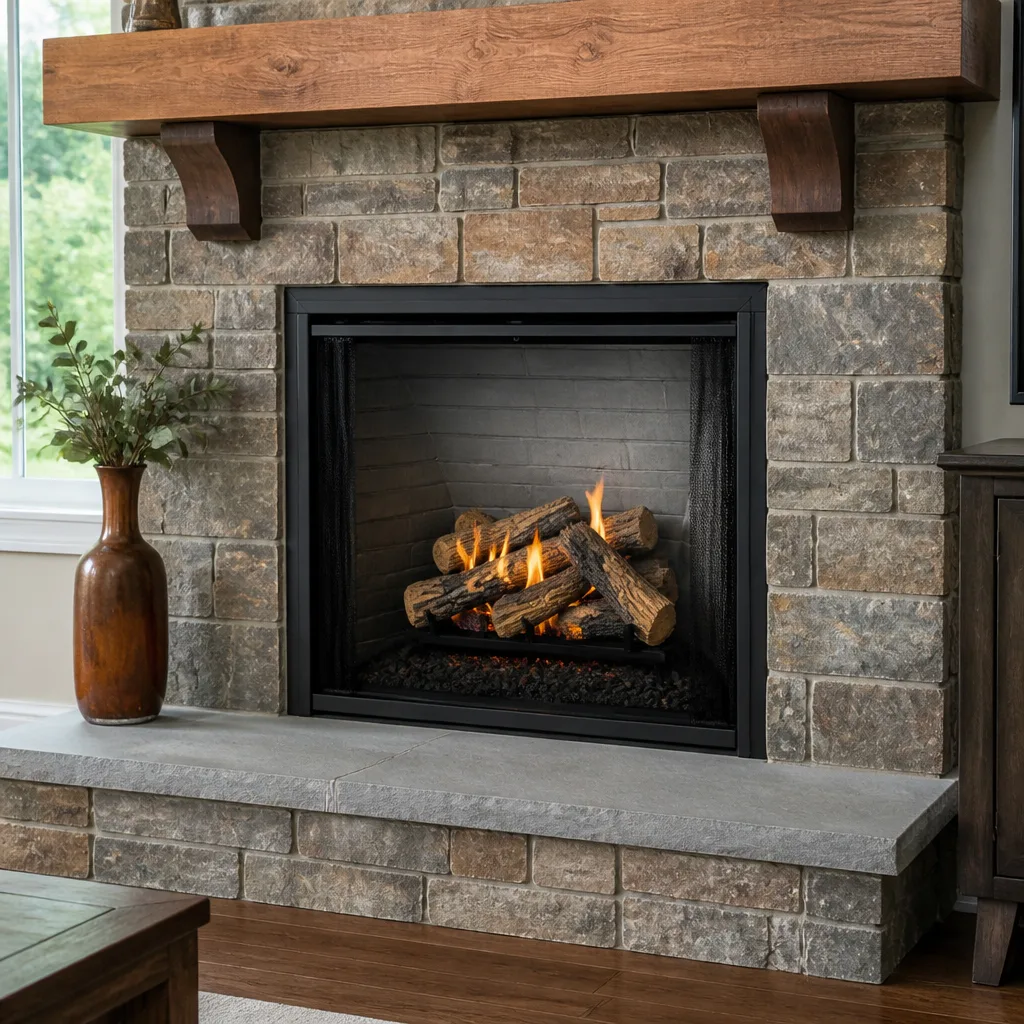 Gas fireplace service
Level 1 sweep and inspection to the NFPA 211 annual standard - flue, crown, cap, and flashing checked and photographed
Chimney sweep logs do not sweep chimneys. They loosen some creosote - which then falls where a brush and vacuum still have to collect it.
Chimney Sweep Maintenance Checklist for Flatbush Homeowners
A single annual sweep tells you the chimney is clean. A checklist that tracks the same data points year over year tells you whether the chimney is deteriorating. That’s the difference most Flatbush homeowners miss. In Brooklyn’s older housing stock, chimney problems rarely arrive all at once. A hairline crack in the crown widens through a few freeze-thaw cycles. Mortar joints soften slowly. A liner that was sound at one inspection starts spalling by the third. Each issue is small enough to ignore on its own. Together, over five or ten winters, they turn a chimney that needed one repair into a chimney that needs a rebuild. This guide gives you the checklist that catches that drift early, and the documentation habit that makes it useful across years.
Quick Answer
A proper chimney maintenance checklist for a Flatbush home covers three layers: exterior items you inspect yourself before a technician arrives (mortar joints, crown, flashing), interior data you record from each professional sweep and camera inspection (liner condition, creosote grade, smoke chamber staining), and seasonal items tied to Brooklyn’s freeze-thaw cycle. Keep the results in one file year over year, and the checklist becomes a condition-tracking record rather than a one-time task list.
Styles & brands we work with
- Sweep & inspection
- Caps & crowns
- Flue relining
- Masonry repair
- Gas fireplace service
Table of Contents
- Why a checklist beats a once-a-year sweep
- What to inspect on the exterior before anyone arrives
- Documenting liner condition year over year
- Freeze-thaw damage in Flatbush: the seasonal cycle
- What to check inside the firebox between sweeps
- Building a home chimney file
- What an annual sweep actually involves
- Common mistakes to avoid
- When to call a professional
Why a Checklist Beats a Once-a-Year Sweep
A sweep removes creosote. That’s a cleaning task, and it’s important. But cleaning doesn’t tell you what’s changing inside the flue, the crown, or the smoke chamber from one year to the next. A checklist does. The difference matters because chimney failures are cumulative, not sudden.
Think about how a cracked crown behaves in Flatbush. The concrete or mortar cap at the top of the chimney sits fully exposed to rain and snow. A hairline crack opens in a cold winter when water freezes inside it and expands. The next spring, water gets in more easily. By the next winter the crack is wider. Two or three cycles later the crown is shedding pieces and water is working its way down into the masonry below. Nobody noticed because nobody was tracking that one measurement year to year.
Here’s what a tracking checklist actually records each visit:
- Sweep date and technician. So you know the interval, not just that it happened.
- Creosote grade. Creosote is classified by how hard and glazed it is. A grade that climbs from one visit to the next means your burning habits or fuel have changed, and it’s worth knowing why.
- Liner condition. Cracks, gaps, spalling, and whether a camera inspection was done.
- Crown and cap condition. Photos help here.
- Flashing and mortar observations. Joints that were “sound” last time and “deteriorating” now represent a trend.
- Repairs recommended vs. repairs done. This is the item most homeowners lose track of, and the one that matters most if you ever sell.
One visit is a snapshot. Three or four visits in a row give you a curve. The curve is what tells you whether you have a maintenance issue or a repair issue. Chimney Sweep Flatbush is built around that idea: we inspect before we recommend, and we hand you a documented assessment you can compare year to year rather than a verbal list you have to remember.
What to Inspect on the Exterior Before Anyone Arrives
You don’t need a ladder to do a useful pre-inspection of your chimney’s exterior. Walk outside, look up, and use binoculars if you have them. The point isn’t to diagnose anything. It’s to know what’s there before your sweep gives you a report, so you can verify what you’re told and ask the right follow-up questions. Homeowners who do this walk in already informed, and that changes the conversation.
Check these four things, in this order:
- Mortar joints between the bricks. Look for joints that are recessed, crumbling, or missing entirely. Recessed joints are the earliest visible sign of masonry deterioration, and they’re the most common thing we find on older Flatbush chimneys.
- The crown. This is the sloped concrete or mortar top that sheds water away from the flue. Look for cracks (any width), chips along the edge, or any spot where the crown has separated from the brick below. A crown doing its job looks continuous and sloped away from the liner.
- Flashing at the roofline. The metal seal where the chimney meets the roof should be tight against both surfaces. Lifted edges, cracks in the sealant, or rust are worth noting. Flashing failures let water into the attic, not just the chimney.
- The cap. Is there one? Is the screen intact? A cap is the single most effective piece of weatherproofing on the whole chimney, and a missing or damaged screen is how birds, squirrels, and rain get in. Famco and Gelco caps are what we install, and both are built to manufacturer spec for weather and animal exclusion.
Take a photo from a few angles each time you do this check. Store the photos with the date. Next year, a masonry crack will read as a crack that has or hasn’t grown, not as a brand-new problem someone is trying to sell you a fix for. If your exterior inspection turns up real damage, that’s the moment to look at chimney repair rather than scheduling another sweep and hoping.
Documenting Liner Condition Year Over Year
The liner is the flue’s inner wall, and it’s the part you cannot see from the roof or the firebox. A proper assessment uses a camera. That’s a specific tool most sweeps carry, and its output should be a set of images you get to keep, not just a technician’s summary. If your sweep ever tells you “you need a new liner” without showing you photos of the damage, push back. A liner recommendation without evidence is not a recommendation, it’s a guess.
Here’s what to record each year:
- Whether a camera inspection was performed at all. Some sweeps do and some don’t. If yours doesn’t, ask why.
- Photos of the liner from the top and from the firebox. A few images of any visible crack, gap, or separation.
- Liner type. Clay tile, stainless flexible, cast-in-place. Newer homes and retrofitted chimneys may have different materials.
- Any section noted as damaged. A cracked clay tile at joint height is a different repair from a stainless liner with a pinhole breach.
- Recommendation. If a repair was suggested, write down exactly what.
Why the year-over-year record matters: liner deterioration is slow and often uneven. A single cracked tile section can sit harmless for years in a chimney that doesn’t see heavy use. And a whole liner can look fine from a distance while one section is failing. When you have last year’s photos, this year’s photos show you whether anything changed. If it did, you can compare the scope and cost against earlier recommendations and see clearly what’s progressing and what isn’t. If it didn’t, you’ve just saved yourself the cost of a liner replacement you didn’t need.
When a liner does need attention, there are usually more options than a full replacement. Chimney Sweep Flatbush resurfaces liners with HeatShield, a cast-in-place system that rebuilds the interior wall without tearing out the original liner. For older or non-standard chimney configurations where rigid liners won’t fit, we fit DuraFlex flexible liner systems. The point isn’t to sell you the fanciest solution. It’s to match the repair to the actual condition of your flue.
How to read a sweep report’s liner notes
Liner notes should be specific. “Liner condition poor” tells you nothing you can track. “Third flue joint from the top, cracked tile visible on camera, 2-inch gap” is the kind of record you can compare next year. If your report uses vague language, ask for the specifics. It’s a fair question and a good sweep won’t mind.
Freeze-Thaw Damage in Flatbush: The Seasonal Cycle
Brooklyn’s winter pattern is hard on masonry because it cycles between freezing and thawing more often than colder climates upstate do. An upstate chimney might stay frozen for weeks at a stretch. A Flatbush chimney freezes and thaws repeatedly through the winter, and every one of those cycles pushes water in and out of small cracks in the brick and mortar.
The mechanism is straightforward. Water gets into a porous joint or a small crack. The overnight freeze expands the water by about 9 percent. That expansion widens the crack slightly. It thaws during the day and the water sinks deeper. Repeat for months. This is why a chimney condition that looks stable in October can look significantly worse by March, and why late winter is when we see the most masonry spalling (flaking or peeling brick faces) on Flatbush chimneys.
What to put in your seasonal checklist:
- Late fall: inspect the crown and the flashing before the first hard freeze. Sealing a small crown crack before winter is far cheaper than rebuilding a crown in spring.
- Mid-winter after a warm stretch: spot-check the mortar joints from the ground. If a joint that was recessed last fall is now visibly wider, water damage is accelerating.
- Early spring: walk the exterior and photograph the brick and mortar. This is your reference point for the year.
- Anything you find: log it in the same file as your sweep records, dated.
Inside the house, a brown water stain on the ceiling near the chimney in the weeks after a thaw is a flashing or crown failure that’s pushing water into the roof deck. That’s a call, not a checklist item.
What to Check Inside the Firebox Between Sweeps
A sweep once a year covers cleaning and inspection. But you use the fireplace all winter, and a few interior checks take about five minutes. These aren’t substitutes for a professional inspection. They’re early indicators that tell you when something’s off and worth a look before your next scheduled sweep.
- Damper seating. Close the damper and look at the gap between the damper plate and the frame. It should be tight. A damper that won’t close fully means heat and smoke are leaking up the flue when the fireplace isn’t in use, and it’s a common cause of that smoky smell in a room after the fire’s out.
- Smoke chamber staining. Look up into the smoke chamber (the sloped area above the damper). A dark, uniform coating is normal. New staining patterns, especially streaks climbing one side only, suggest the smoke is being drawn unevenly, which points to a drafting or obstruction issue.
- Firebox cracks. Run a hand along the firebox walls. Hairline cracks in mortar are usually fine. Cracks wide enough to catch a fingernail, or any piece of brick that’s loose, call for a professional look.
- Smell indicators. A strong creosote smell in the room, especially on warm days, means creosote buildup has reached a level where it’s worth a sweep even if you’re not at your usual interval.
- Ash pan and grate. Clear ash regularly. Deep ash beds reduce airflow and shorten the life of the grate.
Fireplace repair, when it’s needed, usually falls into one of a few categories: a worn damper, a damaged firebox brick, a smoke chamber that needs re-sealing, or a grate with broken bars. Each is fixable. Catching them early inside your own home is the goal.
Building a Home Chimney File
The most useful thing you can do this year is start a file. Physical or digital, it doesn’t matter. What matters is that every chimney-related record goes in one place, and that it survives a move, a refinance, or a sale.
Here’s what goes in it:
- Every sweep report, with the date of service and the technician’s name if you have it.
- Every camera inspection photo set from a liner or flue inspection.
- Every recommendation, whether or not you acted on it, with the date.
- Every repair invoice with a description of the work done.
- Your own exterior photos taken in the fall and in early spring.
Why it’s worth the effort: a documented maintenance history establishes what’s been done and when, and it establishes the timeline of any condition changes. That’s valuable for you each fall when you open the file and compare this year to last. It’s also valuable if you ever sell, because a buyer’s inspector will ask about the chimney and a written record is more convincing than “I think it was swept last year.” In our experience, a home with three years of documented chimney maintenance gives a buyer or a future sweep a clear baseline. A home with no records forces every new technician to start from scratch.
If you don’t have prior records, start with a standalone inspection. Chimney Sweep Flatbush offers chimney inspection as a separate service, with no commitment to bundle anything else, so you can establish a baseline today and then track against it from here forward.
What an Annual Sweep Actually Involves
The annual sweep is the basis of the whole checklist. It’s worth knowing what a proper one covers, because a “quick brush-out” leaves most of the system uninspected.
A full annual service generally includes:
- Cleaning the flue. Brushing or equivalent tooling to remove soot and creosote from the flue walls. The level of buildup determines the tooling and the time.
- Cleaning the firebox and smoke chamber. Soot and ash removal in the firebox; scraping and inspection in the smoke chamber.
- Damper and firebox check. Confirm the damper seals and the firebox bricks are sound.
- Camera inspection of the flue. Some services include this by default; others quote it separately. It’s worth knowing which.
- Crown, cap, and flashing check. The exterior of the chimney should be inspected at the same time as the interior flue.
- Written report. Findings, photos, and recommendations.
If your sweep provides photos and a report, keep them. If your sweep provides only a verbal summary, ask for something written. The written record is the raw material for your home file, and it’s what lets a future sweep pick up where this one left off. Professional-grade materials and tools, like the Copperfield specialty tools we use for sweep and inspection work, are what let a technician do a thorough inspection rather than a surface pass.
For a full description of what we clean and how, see our chimney sweep service page.
Chimney Cap and Crown: The Annual Weather Check
The cap and crown aren’t cosmetic. They’re the chimney’s weatherproofing, and they’re the parts most exposed to Flatbush winters. A cap that’s missing its screen lets rain, birds, and squirrels into the flue. A crown with a crack lets water into the masonry. Both are cheap to check and expensive to ignore.
Each fall, do this quick roof-line inspection (from the ground, with binoculars):
- Look at the crown slope. Water should run off away from the flue, not pool or sit. A flat, dished, or cracked crown is failing.
- Look at the cap’s screen. Fully intact, no bent or missing panels.
- Look at the cap’s attachment. No lifting or rust-through at the legs.
- Look at the crown-to-brick joint. No separation or visible water-trail staining below it.
A failed crown is a masonry repair. A failed cap is a replacement, and if it’s been failed for a season or two, it’s worth pairing the cap replacement with an inspection of the flue for water damage and animal entry. Famco and Gelco caps are what we install, and they’re built for the two jobs a cap actually has: keeping water out and keeping animals out.
If the crown or cap needs work, our chimney cap & crown page covers the options and what each protects. Where a liner has been damaged by water ingress or animal entry, HeatShield resurfacing can often restore it without a full replacement, so the cap repair and liner repair can usually be planned together rather than as separate jobs.
Common Mistakes to Avoid
These are the errors we see most often on Flatbush chimneys, and most of them are about process rather than skill:
- Sweeping only when you smell smoke. Soot and creosote buildup happens whether or not you notice it. By the time you smell it, the flue is overdue for cleaning. Sweep on a calendar, not on a smell.
- Treating the report as a receipt. The report is a record. File it, photo it, and compare it to next year’s report. A receipt says “swept.” A report says what was found, and the report is what protects you.
- Skipping the exterior inspection. The crown, cap, and flashing are where most water damage starts, and they’re not visible from inside the house. A sweep that only cleans the flue and doesn’t look at the top of the chimney has covered half the system.
- Accepting a liner replacement without seeing the liner. If someone recommends a new liner and can’t show you photos of the damage, ask for the photos. If they can’t produce them, get a second opinion from a sweep that does camera inspections by default.
- Purchasing the “maintenance plan” before you’ve seen a report. A maintenance plan without a documented baseline is a fee without a picture of what’s being maintained. Start with a report.
- Ignoring the creosote grade. Grade 1 creosote is soft and brushes off easily. Grade 2 is harder, and Grade 3 is glazed. The grade tells you how often you need service, and whether your burning habits are driving the buildup.
- Waiting for the “right time” to start the file. Start it with this year’s sweep report. Next year, this year’s report is what you’ll compare to. There’s no better starting point than the visit you’re about to schedule.
When to Call a Professional
Most chimney work is homeowner-accessible: checking the exterior, checking the firebox, cleaning ash. But some conditions call for a professional the moment you spot them:
- New water staining on the ceiling or walls near the chimney after a thaw.
- A crown crack that’s wider than a hairline, or a crown separating from the brick.
- A damper that won’t seat, or a smoky smell in the room that doesn’t clear after a fire goes out.
- Any visible crack in the firebox that catches a fingernail, or loose firebox brick.
- Heavy creosote smell, or a flue that’s overdue for cleaning.
- A liner report that mentions damage – this is worth a second look before acting.
Chimney Sweep Flatbush offers free estimates in Flatbush. We answer 24/7, with fast dispatch from 7am to 7pm, Sunday through Friday. Call (866) 937-7157 to schedule an inspection, bring your file, and we’ll help you set a baseline for next year.
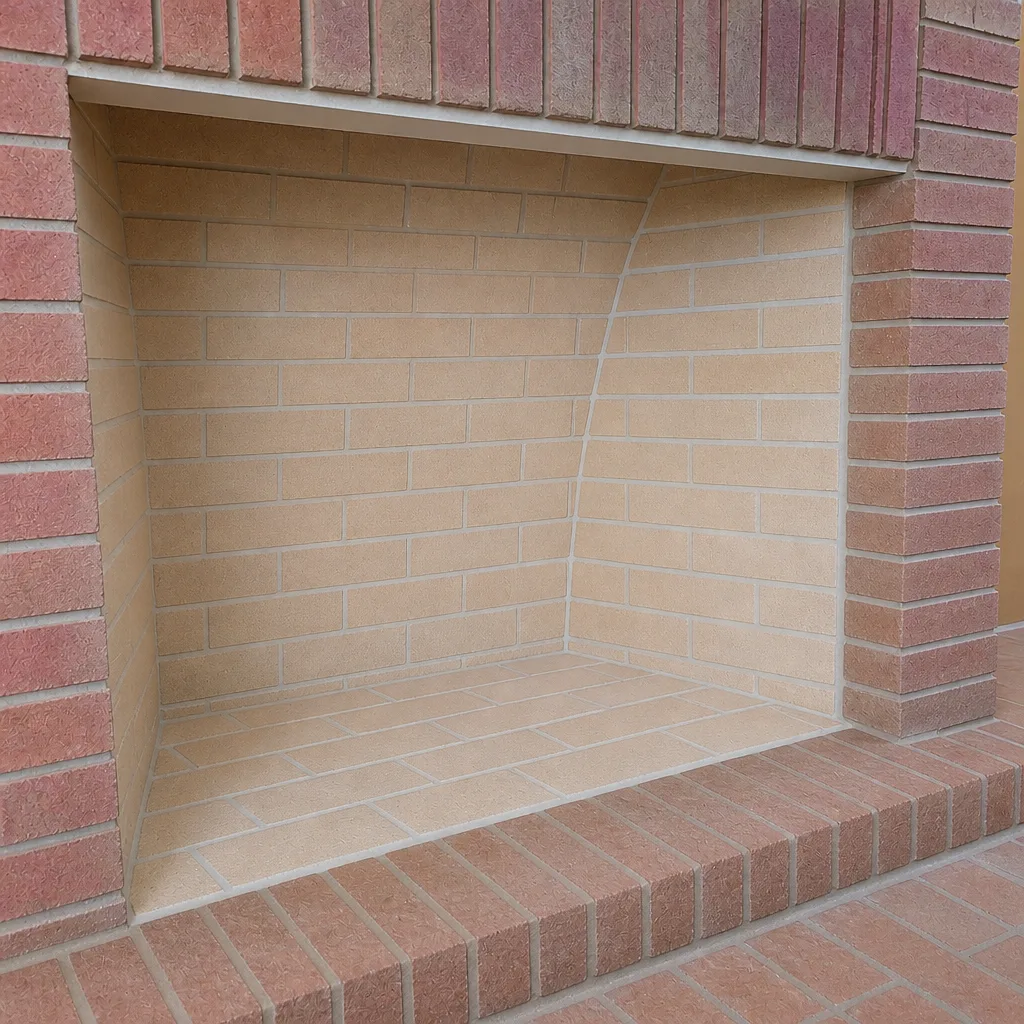
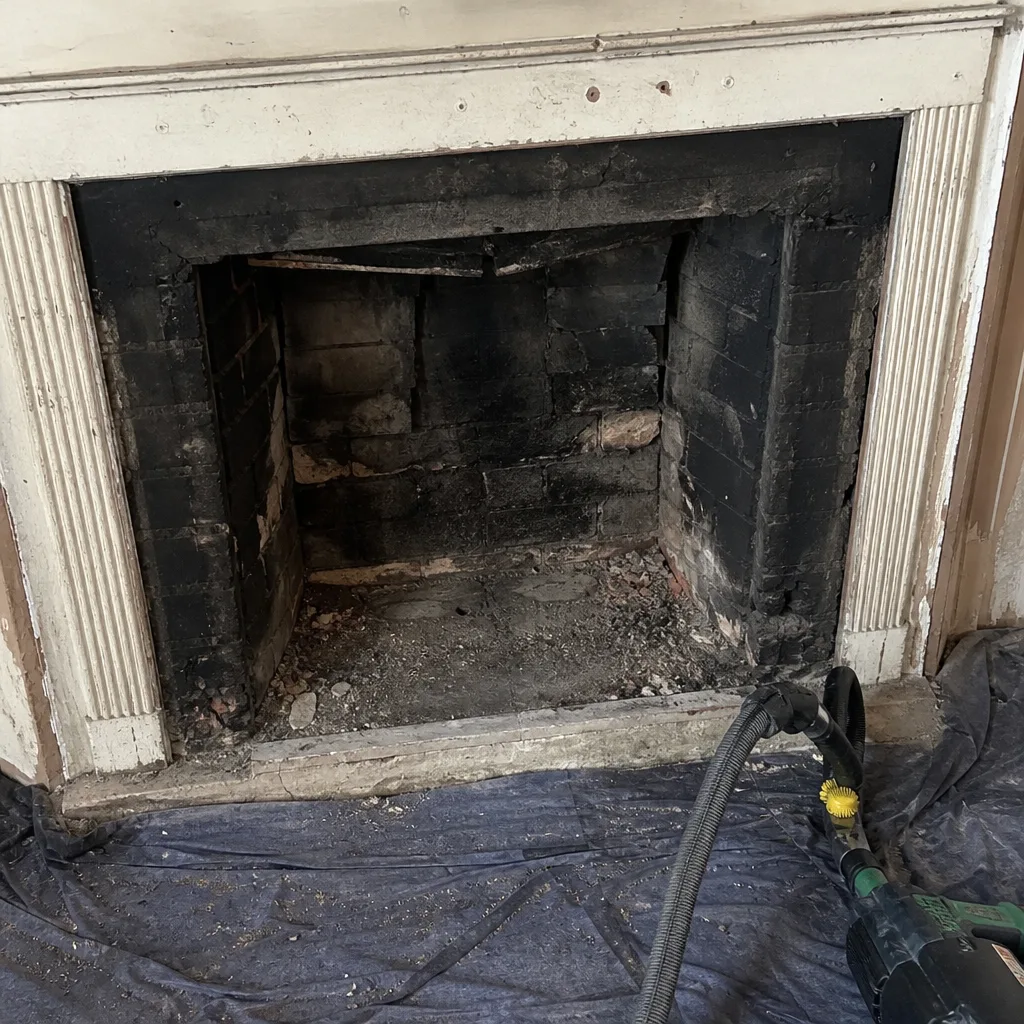
See the difference
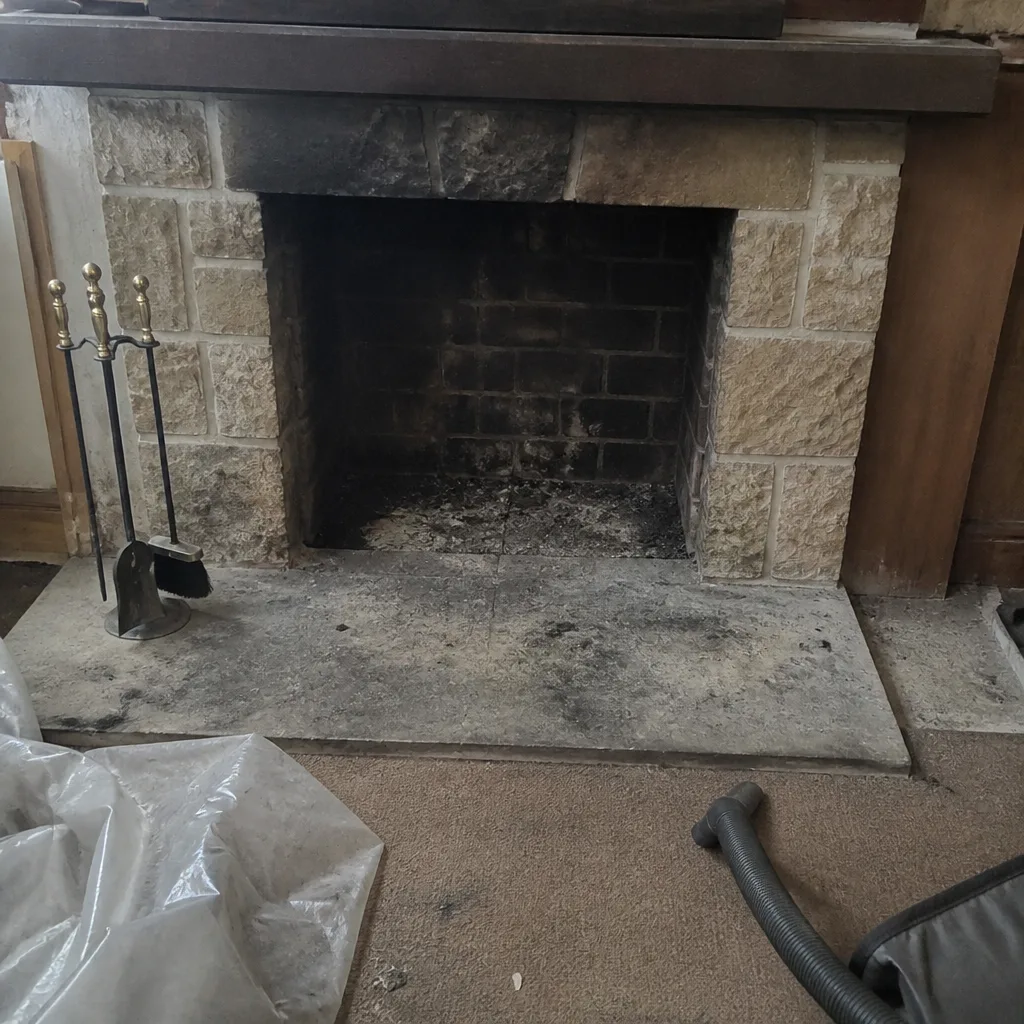 Before
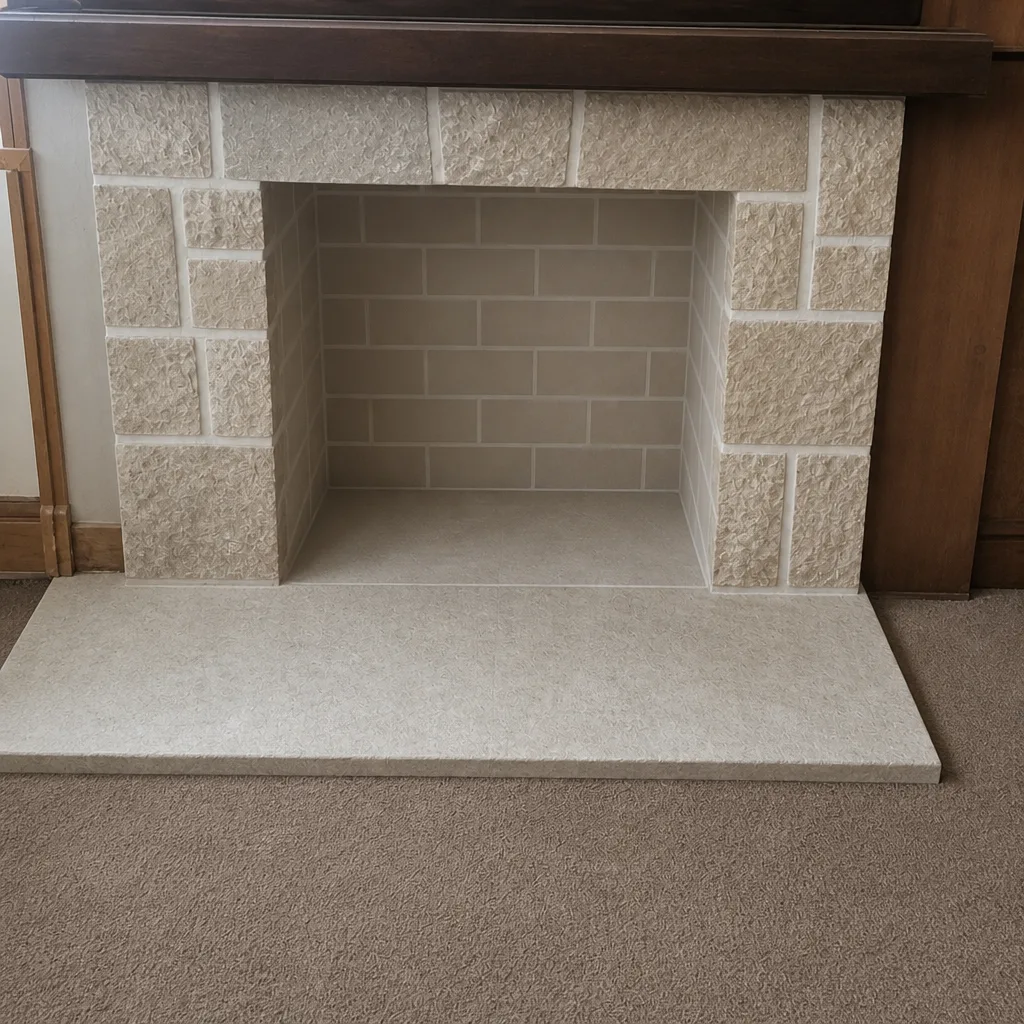 After
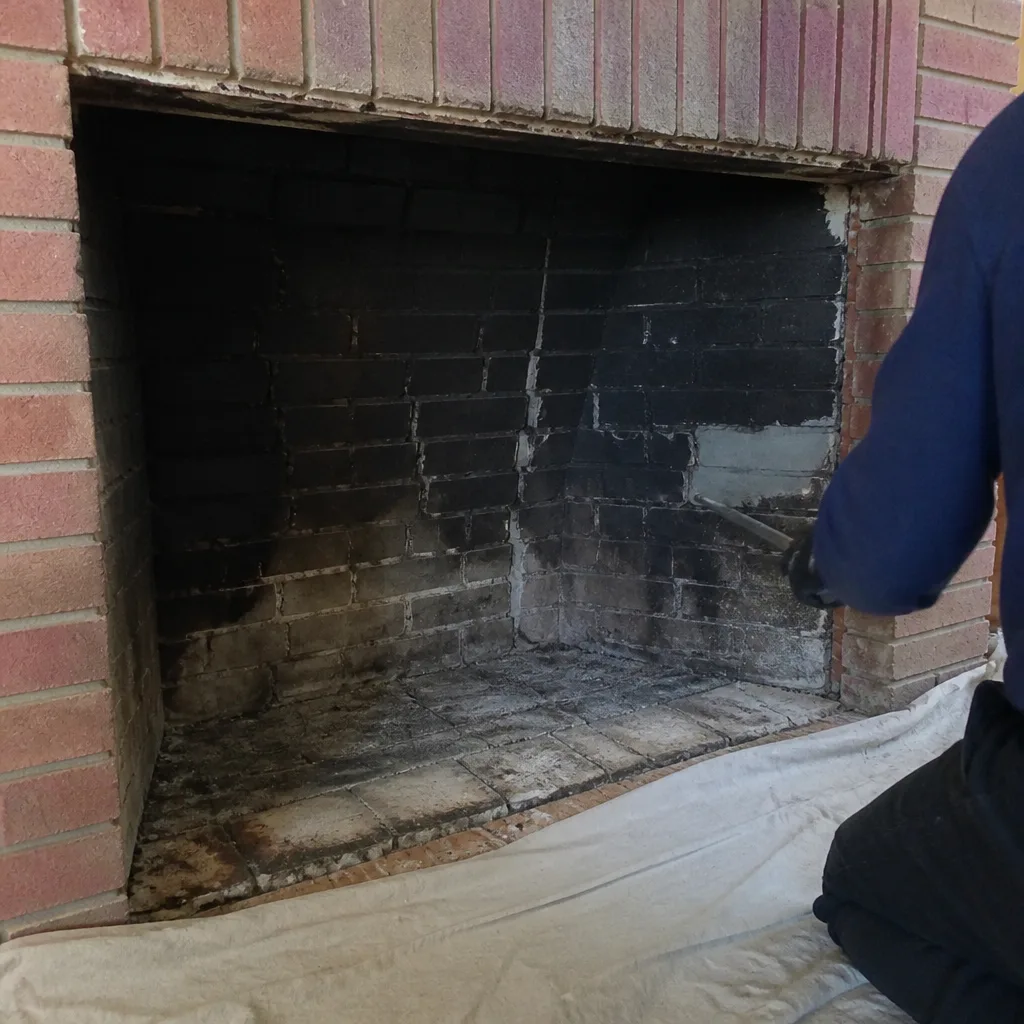 Before
 After
 Before
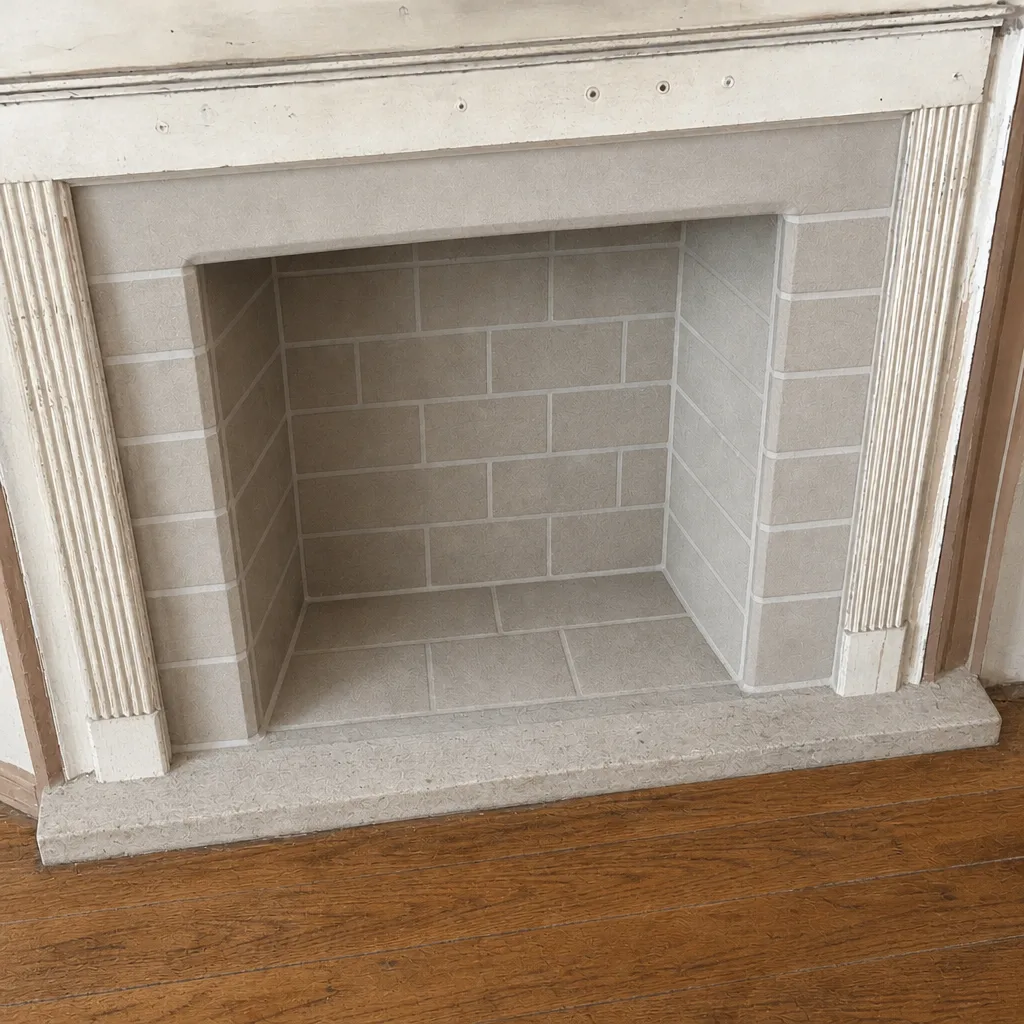 After
Frequently Asked Questions
Once a year for most wood-burning fireplaces, and more often if you burn frequently or your sweep reports heavier creosote buildup. A home that uses the fireplace a few evenings a week through winter often needs one sweep a season; a home that uses it occasionally can sometimes go longer, but the annual inspection should happen regardless. Call (866) 937-7157 for an exact recommendation and a free estimate.
It depends on what the camera inspection shows. Small cracks or localized damage can often be resurfaced with HeatShield, which rebuilds the flue’s inner wall without tearing out the original liner. Where a rigid liner won’t fit or the configuration is non-standard, a DuraFlex flexible liner system may be the right answer. Ask for photos before you decide, and get a second opinion if the recommendation comes without evidence. Call (866) 937-7157 for a camera inspection and an honest read on whether repair or replacement is the right path.
Creosote accumulates, and a heavier load makes the flue more prone to a chimney fire. Waiting also means you miss the small stuff: a crown crack that could be sealed this year and becomes a rebuild next year. Skipping is not a fire in every case. It’s the accumulation of small problems that turned into large ones because nobody was tracking them.
You can inspect the exterior from the ground and the firebox from inside, and you should, as part of your checklist. What you can’t do yourself is inspect the flue from the inside. That’s what a camera and professional tooling are for. The checklist is designed so that your own observations and the professional report reinforce each other.
A documented maintenance record establishes the maintenance history and shows a buyer’s inspector that the chimney has been tracked, not neglected. It also gives your next sweep a baseline, so they can compare this year’s findings against last year’s rather than starting from zero. Start with the report from your next sweep. Call (866) 937-7157 to schedule an inspection and get the record started.
Hairline cracks can usually be sealed. Cracks that are wide, chips or pieces missing, or a crown that’s separated from the brick or lost its slope generally call for rebuild. From the ground, look for continuity and drain-off direction. If water is standing on the crown rather than running off it, the crown is failing. Call (866) 937-7157 for a proper look at the crown.
The Bottom Line
A chimney checklist that tracks the same data points year over year is a different tool from a one-time task list. It catches the slow deterioration that turns a small repair into a rebuild, and it gives a future homeowner (and a future sweep) a record of what was done and when. In Flatbush, where the freeze-thaw cycle works hard on masonry through every winter, that history is worth keeping. Start with an inspection, keep the report, photograph the exterior each fall, and let the pattern across visits tell you what to repair and what can safely wait. Nothing gets recommended without evidence you can see for yourself.
For a full picture of our services, see our main Chimney Sweep Flatbush page, or call (866) 937-7157 for a free estimate.
Written by the team at Chimney Sweep Flatbush.