
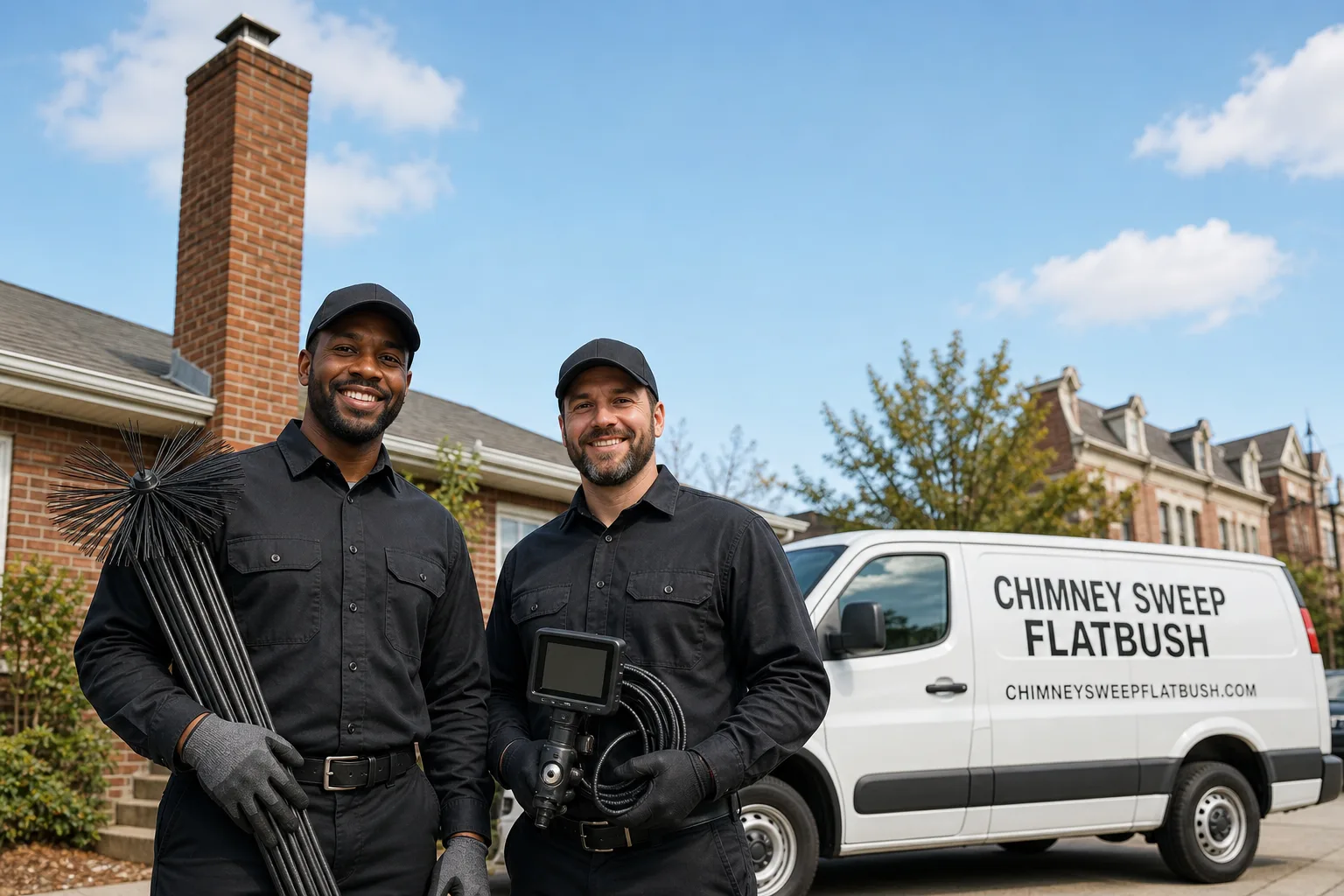
 Sweep & inspection
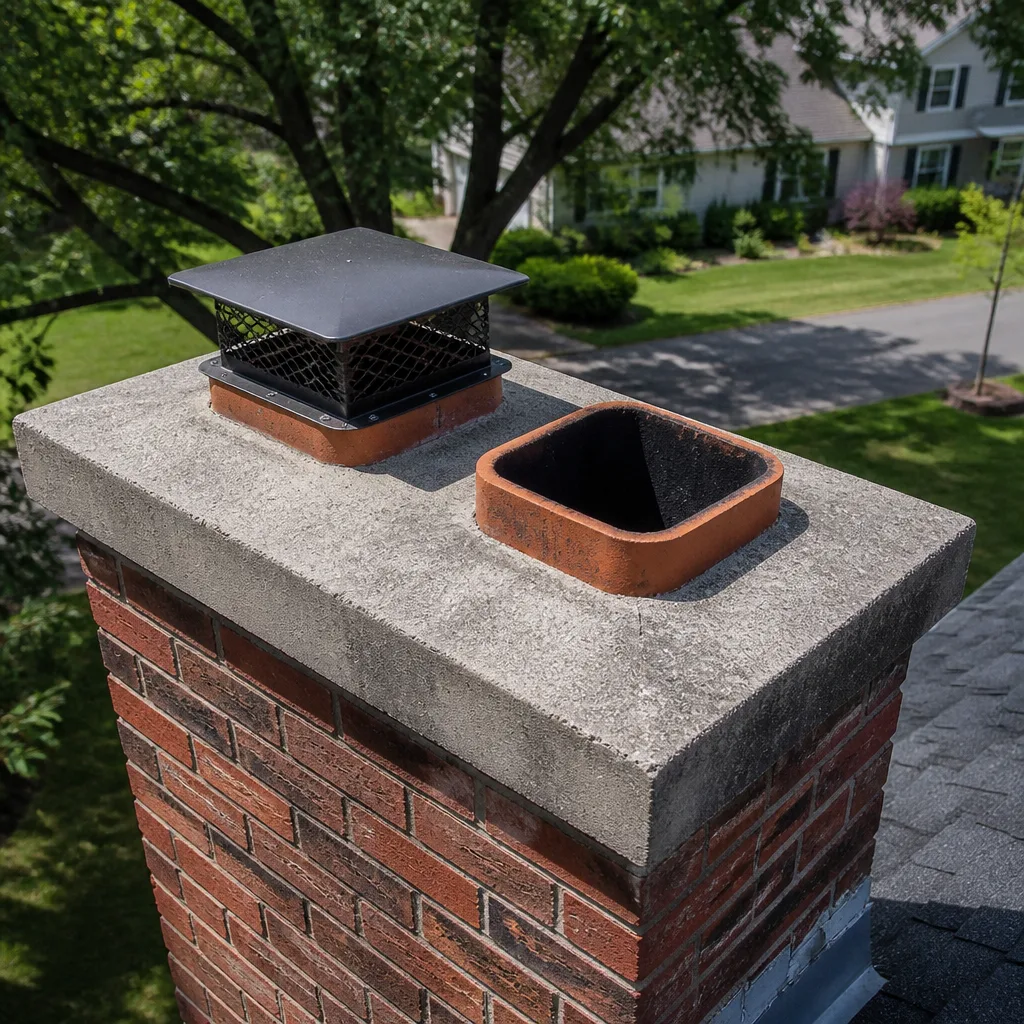
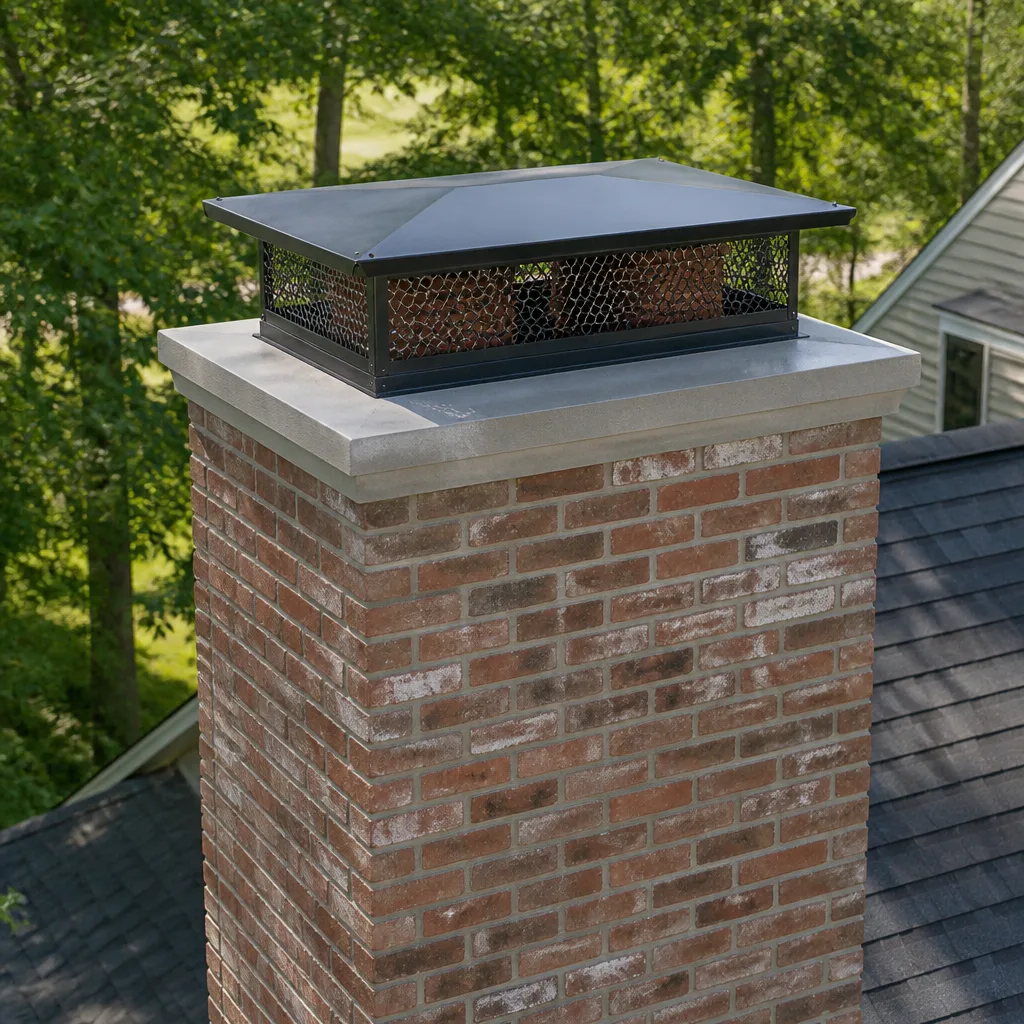 Caps & crowns
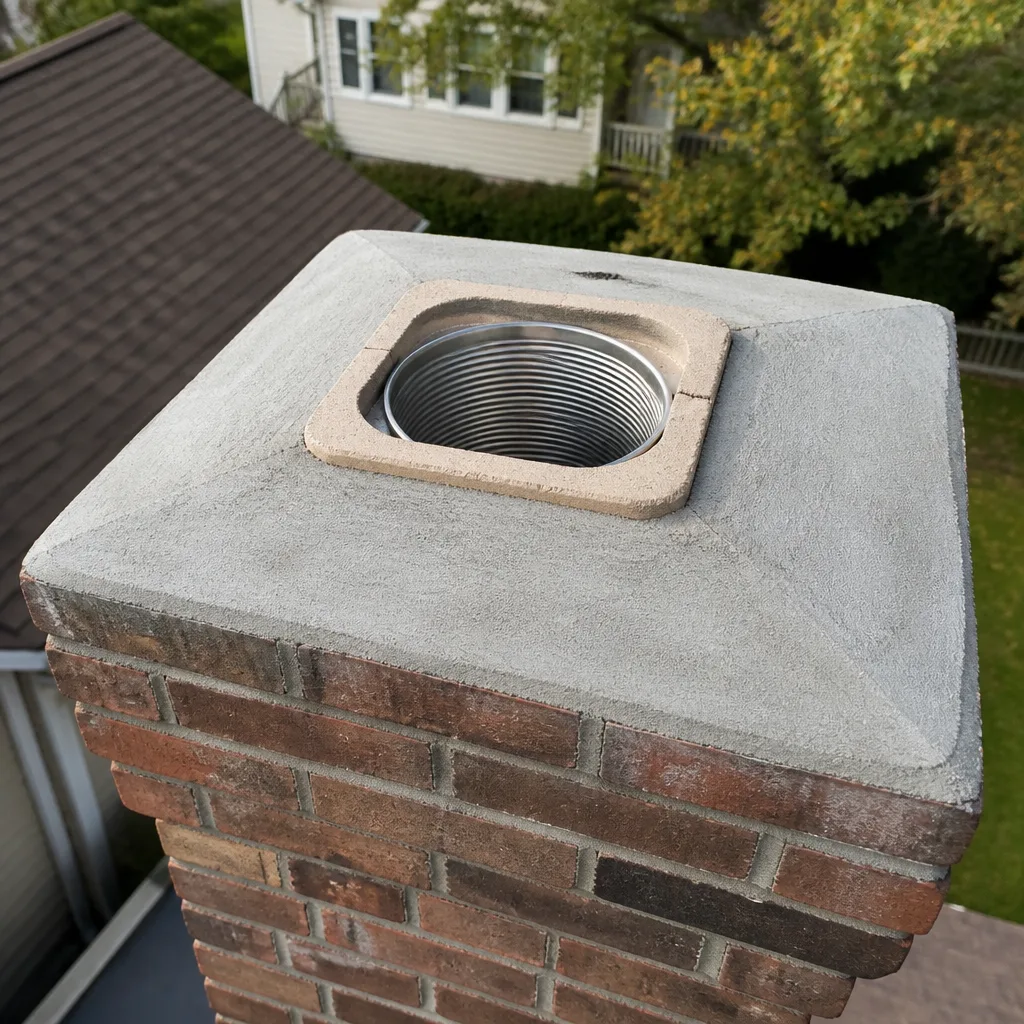 Flue relining
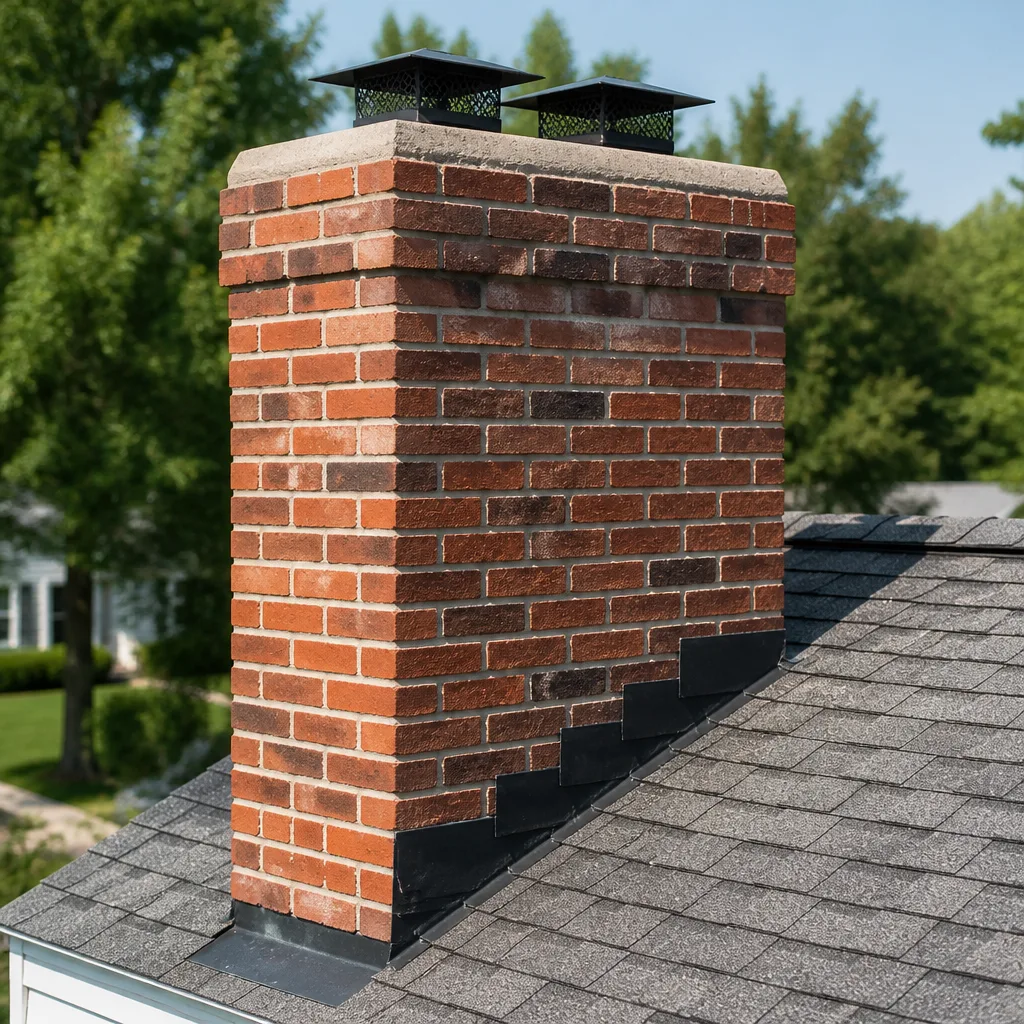 Masonry repair
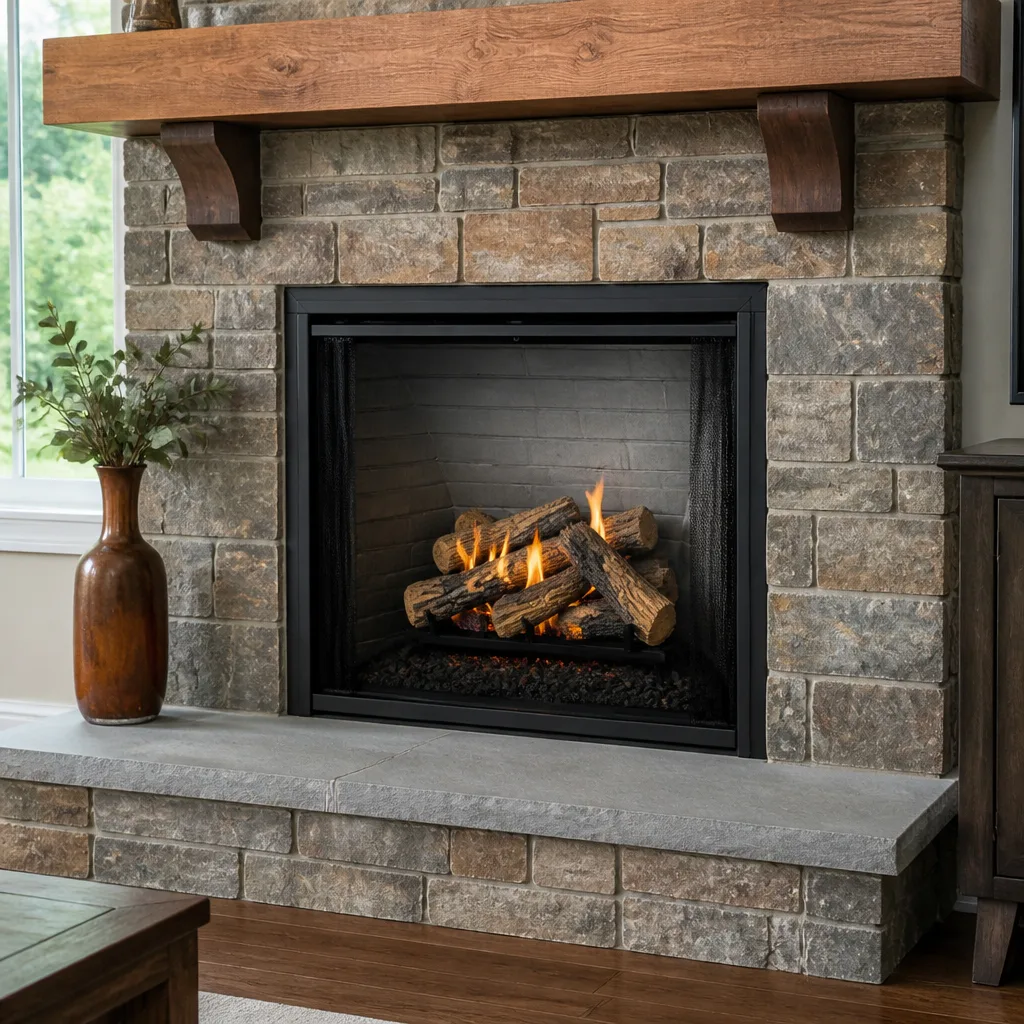 Gas fireplace service
Level 1 sweep and inspection to the NFPA 211 annual standard - flue, crown, cap, and flashing checked and photographed
Chimney sweep logs do not sweep chimneys. They loosen some creosote - which then falls where a brush and vacuum still have to collect it.
Fast, Reliable Chimney Repair Across Clinton Hill
If you own a brownstone or rowhouse in Clinton Hill, your chimney is probably older than the wiring, plumbing, and everything else in the building put together. That’s the reality on these blocks. Chimney repair in Clinton Hill is rarely about a roaring wood fire that needs sweeping. It’s about century-old masonry and clay tile flues that were built for coal, retrofitted for gas, and never properly inspected since.
We connect Clinton Hill homeowners and property managers with independent local technicians who know that difference. Our technicians have up to 9 years of experience, and they work the way we insist on: camera first, recommendation second. If you want a straight answer about what’s actually going on inside your stack, call (866) 937-7157. We answer 24/7, with fast dispatch from 7am to 7pm, Sunday through Friday.
Why Clinton Hill Homeowners Call Chimney Sweep Flatbush for Chimney Repair
Clinton Hill is full of homeowners who’ve been told they need a full rebuild by one contractor and nothing at all by another. That’s the gap we work in. We start every repair conversation with a documented inspection and a camera run through the flue, so you see the same cracked tile or soft mortar joint the technician is pointing at.
We don’t do the upselling that’s become routine on old brownstone blocks, where an unused fireplace gets diagnosed as an emergency. Nothing gets recommended that isn’t backed by evidence you can look at yourself. If work can safely wait, we say so.
Our scope covers the whole chimney system, from firebox to cap to crown, which matters here because most problems on Clinton Hill’s shared party-wall stacks show up in more than one place at once. We’re also selective about materials, sourcing from established chimney supply brands like HeatShield, Olympia Chimney, and Famco rather than hardware-store substitutes. For a homeowner on a landmarked block, that consistency is often the difference between a repair that holds and one that gets flagged later.
Styles & brands we work with
- Sweep & inspection
- Caps & crowns
- Flue relining
- Masonry repair
- Gas fireplace service
Our Chimney Repair Services in Clinton Hill
Most of the repair work on Clinton Hill’s brownstones falls into a handful of categories, and they tend to arrive together. A failing crown lets water in, the water spalls the brick, the spalled brick lets moisture travel further, and the flue behind it all starts to crack. Here’s how we approach each piece.
Mortar Repointing
The mortar joints on a 19th-century brownstone chimney are usually the first thing to go. Coastal winters with repeated freeze-thaw cycles open hairline cracks in the joints, and once water gets in, the joint widens with every freeze. Repointing means cutting out the failed mortar and replacing it with fresh material matched to the original brick, so the joint moves with the masonry instead of pushing it apart.
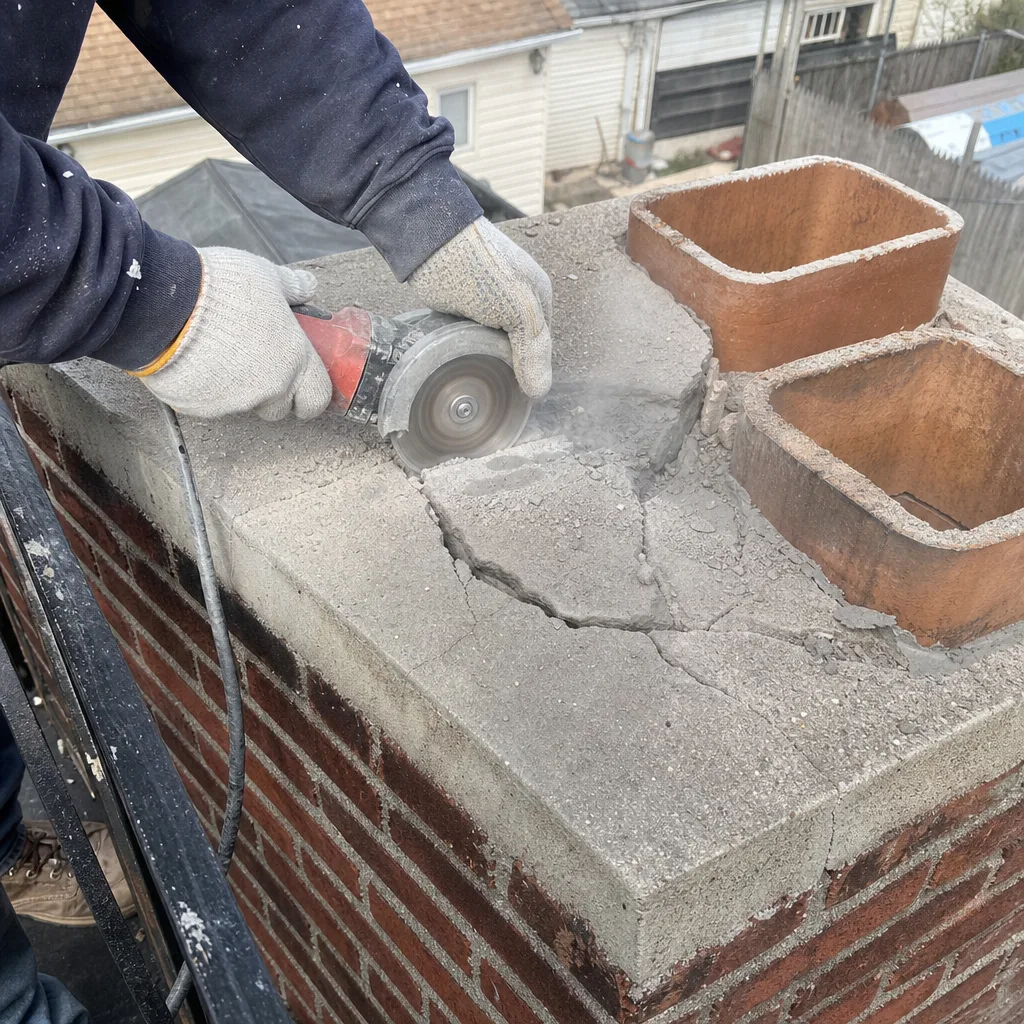
Spalling Brick Repair
Spalling is what happens when soft brick absorbs water and the face pops off. Clinton Hill’s brownstone chimneys are especially prone to it because the brick was never meant to sit through a hundred winters of wet-and-freeze. We replace spalled brick with matching units and address the moisture source behind it, because replacing brick without stopping the water just delays the same failure.
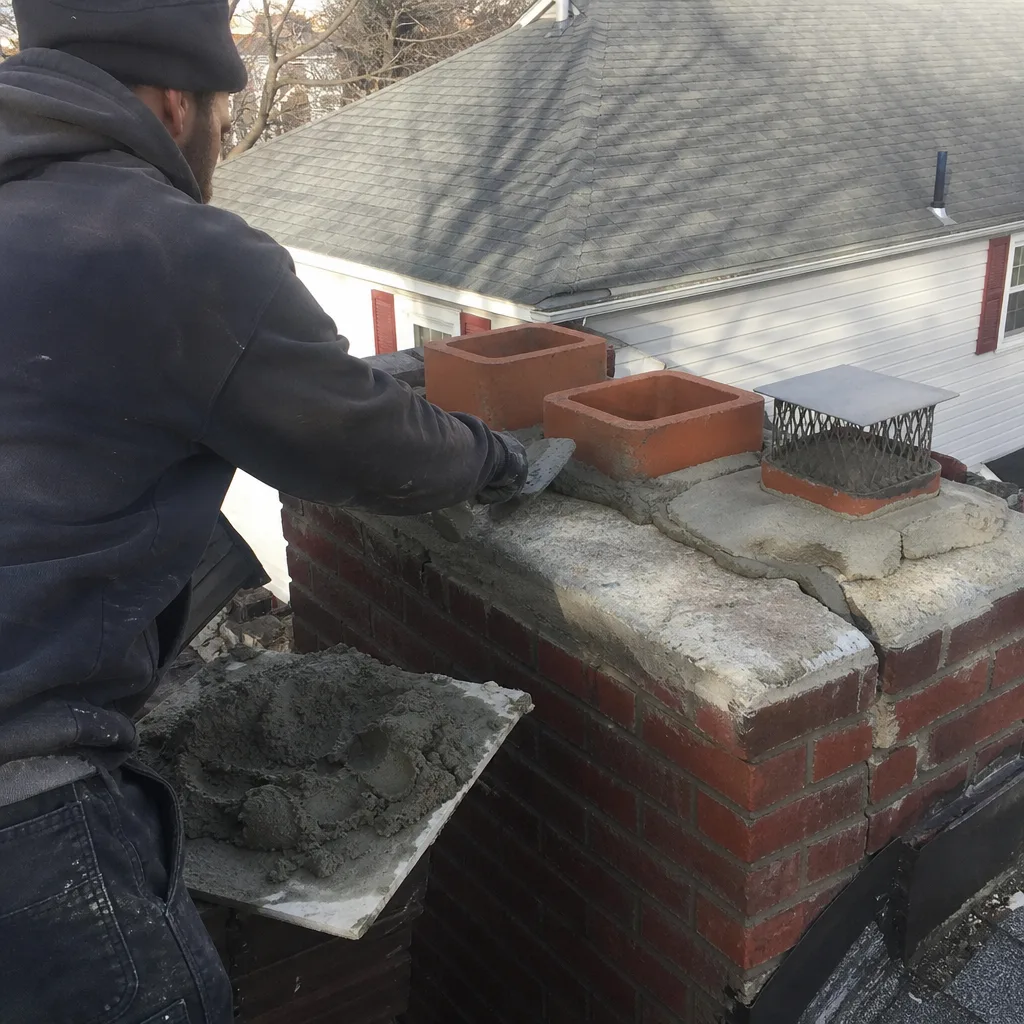
Chimney Waterproofing
Waterproofing is the quiet repair that prevents three others down the road. A breathable masonry water repellent keeps rain out of the brick while letting the wall dry from the inside, which is what you want on an old chimney that’s been soaking up moisture for decades. On Clinton Hill’s humid summers and wet winters, this is often the highest-value work on the whole scope.
Flashing Repair
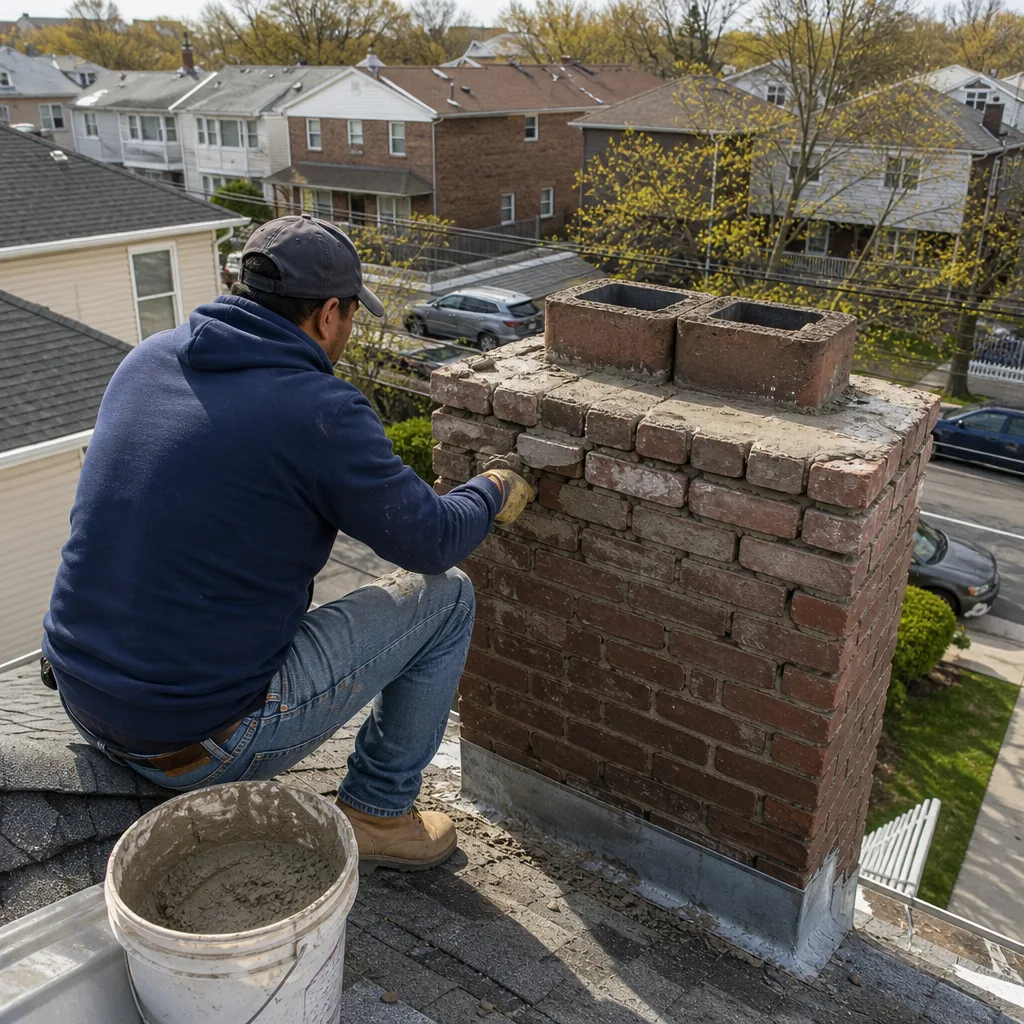
Flashing is the metal where the chimney meets the roof, and it’s the most common entry point for leaks that get blamed on the chimney itself. On the flat-topped rowhouse chimneys common in Clinton Hill, flashing that’s pulled loose or rusted through lets water run straight down into the attic or the top-floor ceiling. We reseat or replace it and seal the joint properly.
Trusted Brands We Service in Clinton Hill
We source from professional-grade chimney suppliers because the material matters on a hundred-year-old stack. DuraFlex flexible liner systems let us reline flues that are offset, non-standard, or otherwise impossible to fit with rigid pipe. HeatShield resurfacing gives us a repair path that restores a failing liner from the inside without tearing out the whole assembly. Famco and Olympia Chimney components cover caps, dampers, and terminations built to hold up in coastal weather. We don’t stock parts in a warehouse; we spec the right system for your flue and order it. Turnaround is quick because the supply chain is the same one commercial contractors use.
Common Chimney Repair Problems We See in Clinton Hill Homes
- Clay tile liners cracking in shared party-wall stacks. After 100+ years of freeze-thaw and leftover coal soot, the tiles in a shared stack crack and spall, and flue gases can seep into the adjacent unit through those gaps. This is a bigger deal in a rowhouse than in a detached home because your neighbor’s air is on the other side of that wall.
- Mortar crowns crumbling on brownstone chimneys. The crown is the concrete cap at the top, and on Clinton Hill’s older chimneys it’s usually soft and shallow. Repeated coastal freeze-thaw breaks it down, water reaches the brick below, and the spalling accelerates from there.
- Appliances vented into stacks that were never sized for them. A lot of the original coal flues in Clinton Hill have been retrofitted to serve a gas boiler or water heater, but the flue is oversized or unlined for that appliance. That produces weak draft and rusted dampers, especially through humid summers.
- Unused fireplaces with no evidence of condition. Plenty of parlor fireplaces in Clinton Hill haven’t seen a fire in decades and sit behind ornate mantels that hide the flue entirely. Without a camera inspection, there’s no way to know whether the liner is sound or whether an abandoned flue has been leaking into the masonry for years.
The Clinton Hill Chimney Reality: Landmark Blocks and Old Coal Flues
Here’s what makes chimney repair in Clinton Hill different from almost anywhere else. A large share of these brownstones sit on landmark-district blocks, and exterior masonry changes that are visible from the street often require Landmarks Preservation Commission approval. That changes the whole calculus of a repair. Where another town would solve a failing flue by rebuilding the stack above the roofline, in Clinton Hill the smarter and faster path is usually interior relining: we run a new liner system inside the existing chimney so the profile of the stack on the street never changes.
That’s a genuine advantage for homeowners here. A DuraFlex flexible liner or a HeatShield resurfacing job restores the flue from the inside, avoids the review process for visible exterior work, and costs less than a rebuild. What it does not do is fix a crumbling crown or spalling brick above the roofline, so most Clinton Hill jobs end up scoped as both: reline the inside, repoint and waterproof the outside.
The typical scenario plays out like this. A homeowner in a 19th-century Clinton Hill rowhouse finds that the clay tile flue serving a gas boiler has cracked and spalled after decades of freeze-thaw and residual coal soot, but the fireplace behind the parlor mantel looks perfectly intact. A qualified local technician runs a camera through the flue to document the failure, then recommends relining with a system such as DuraFlex or HeatShield instead of rebuilding the stack, especially when the chimney faces a landmarked street. The same freeze-thaw that cracked the flue also spalls the soft brick crown, so repointing and waterproofing are usually written into the same scope. Nothing on that list should be recommended before you’ve seen the camera footage.
See the difference
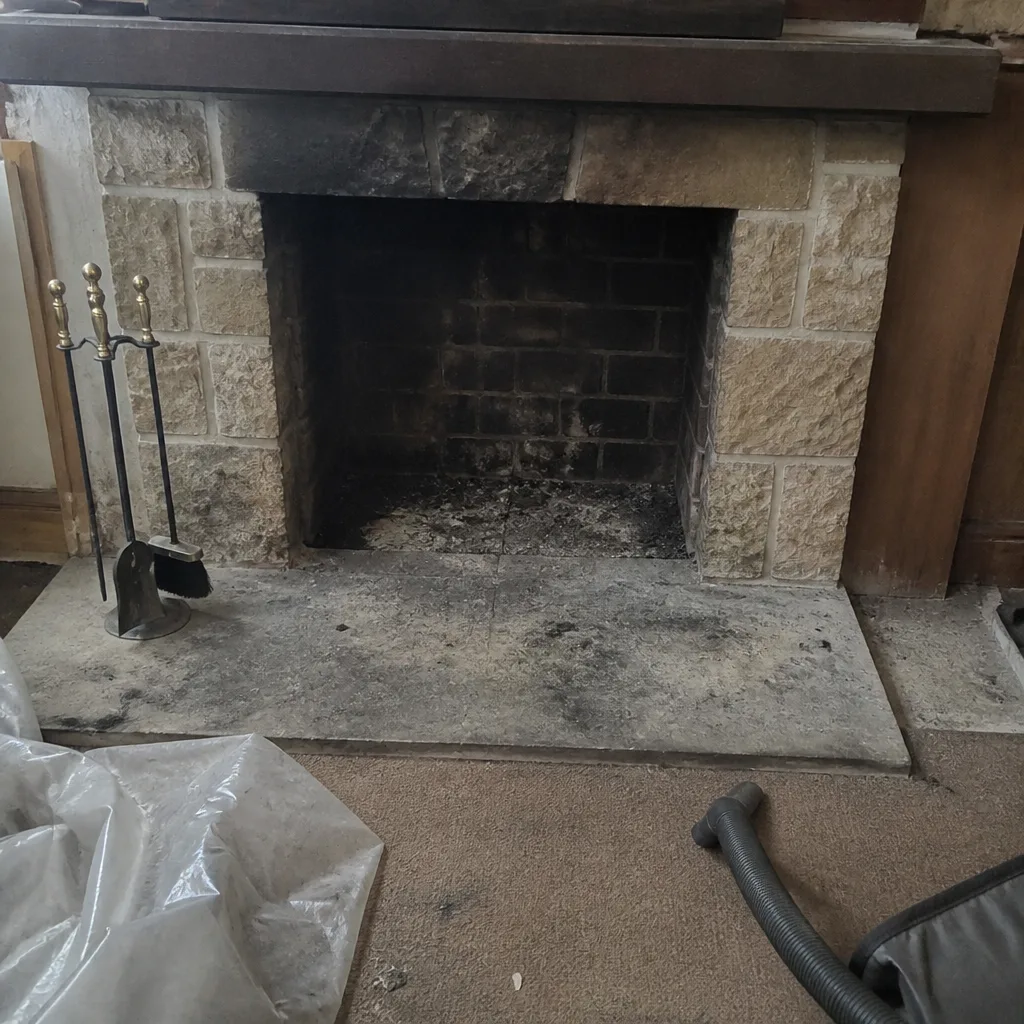 Before
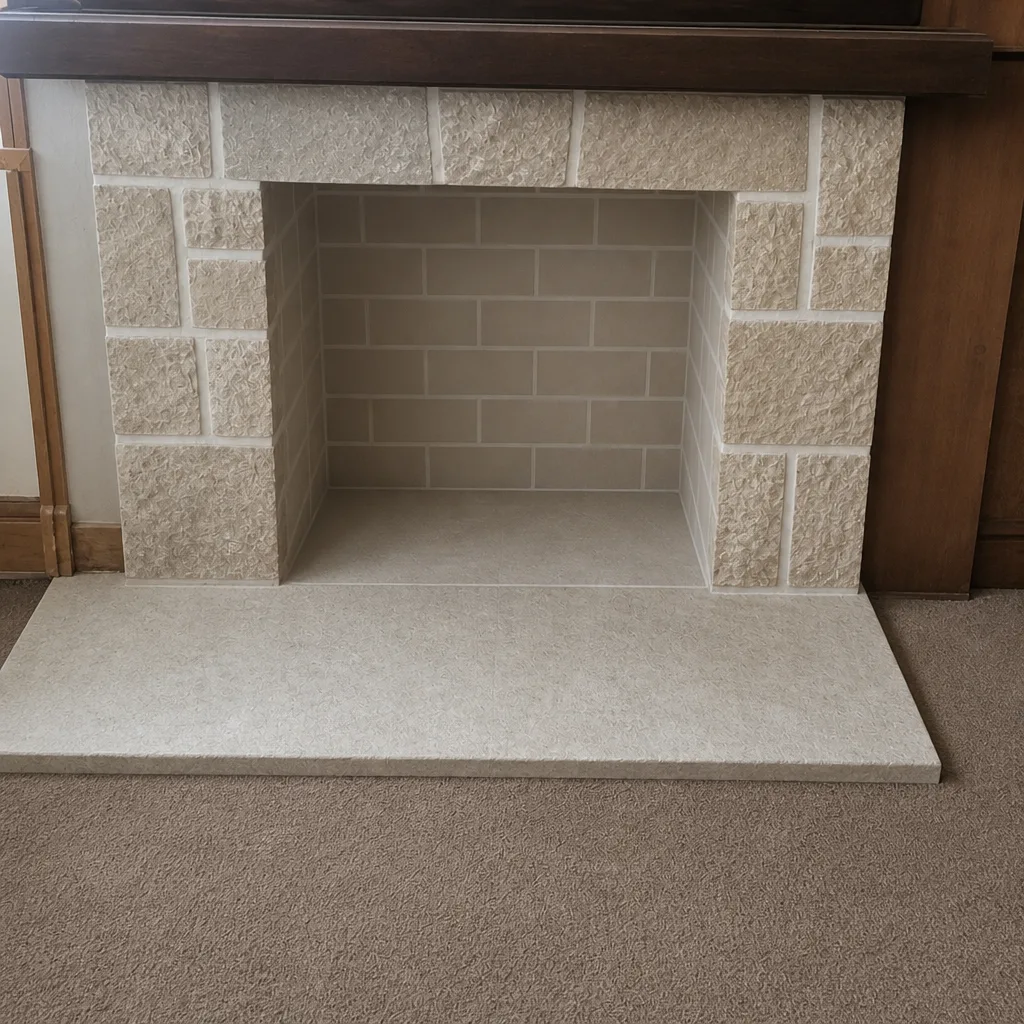 After
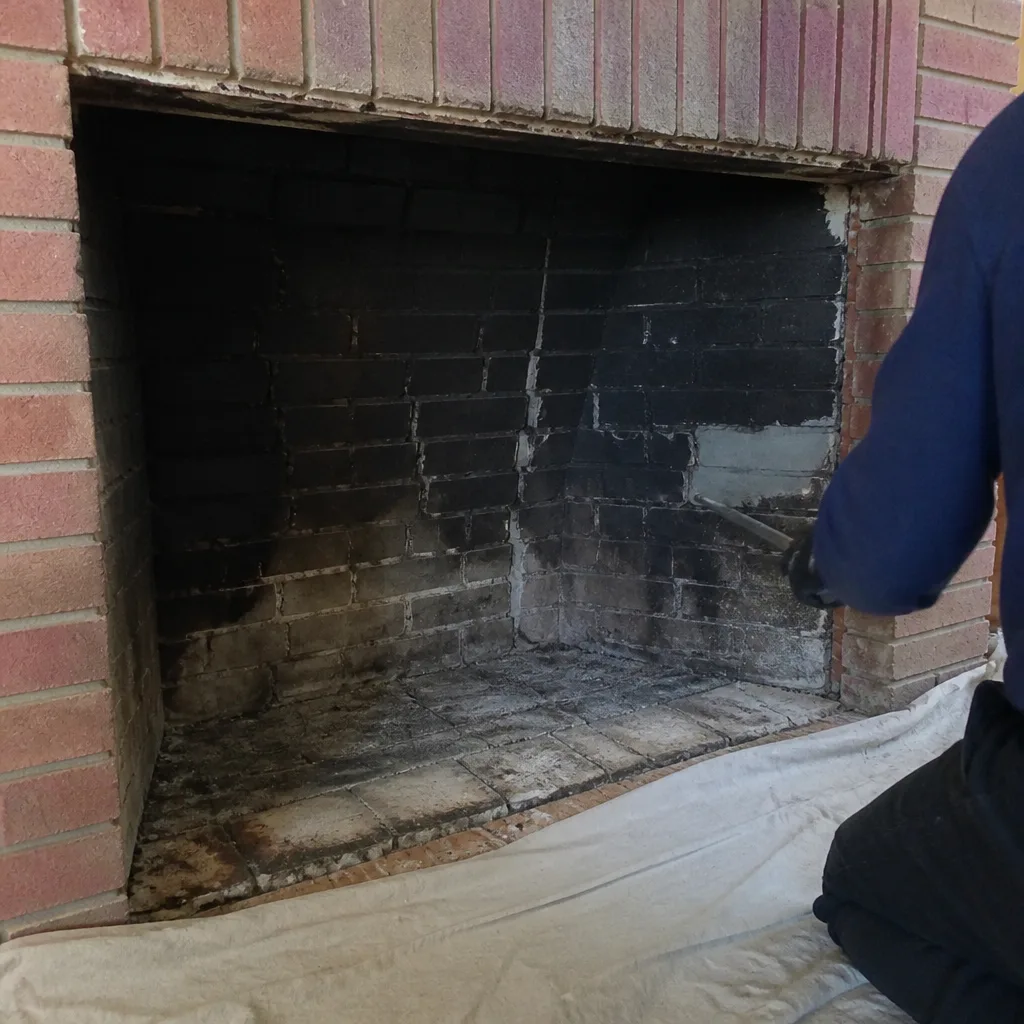 Before
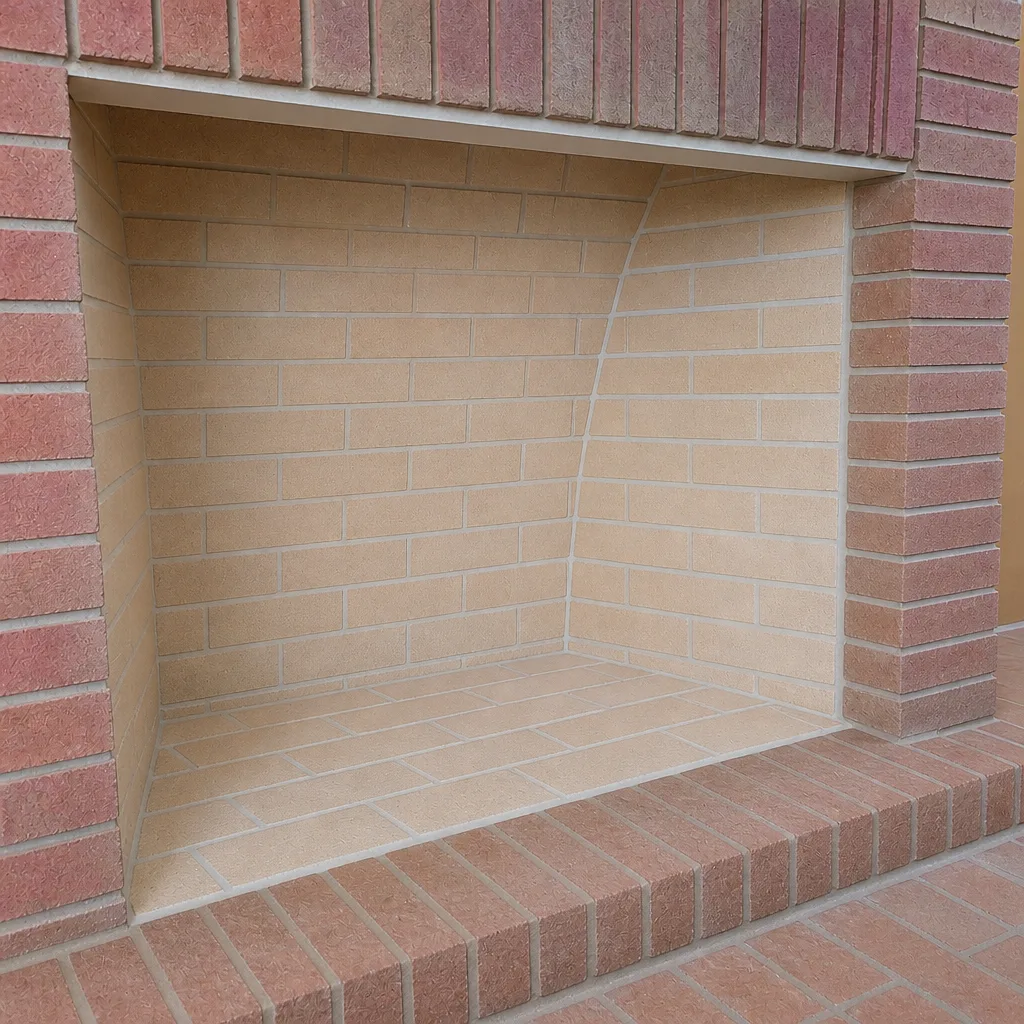 After
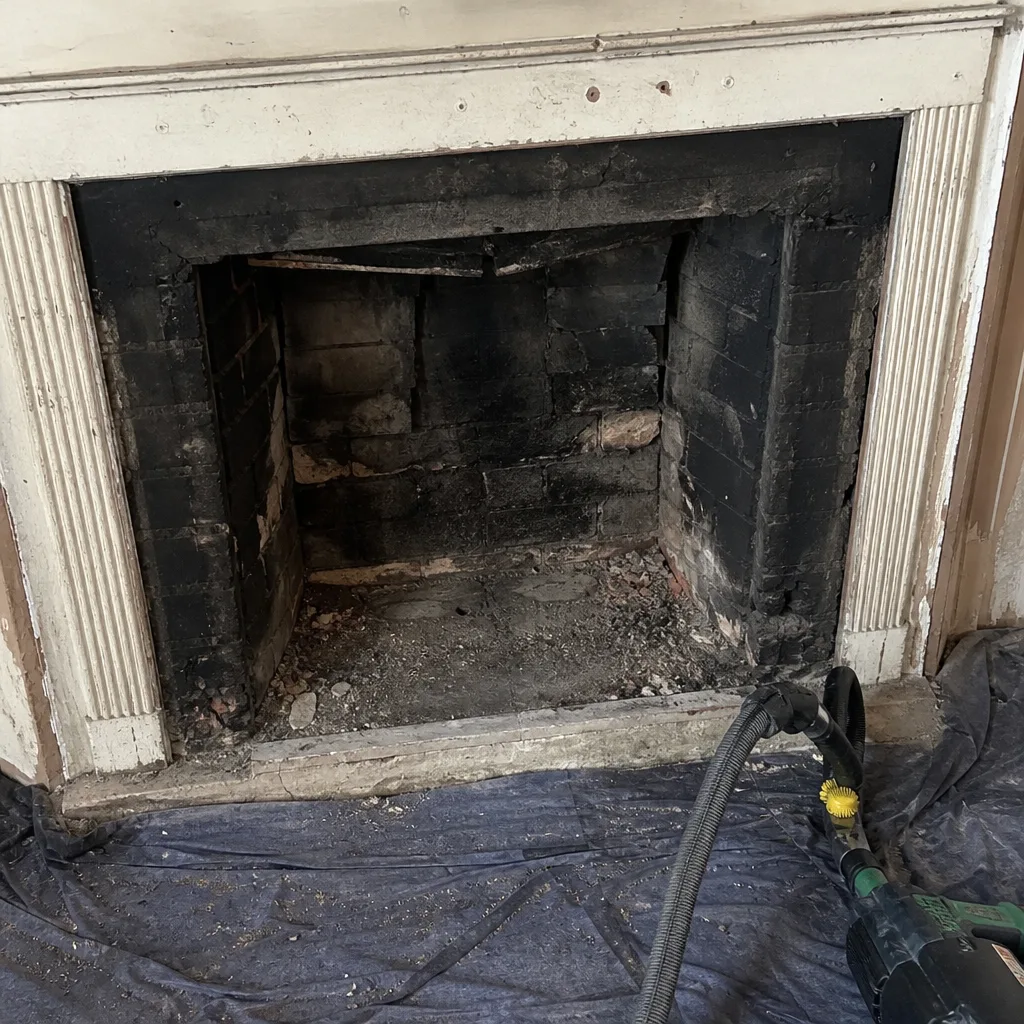 Before
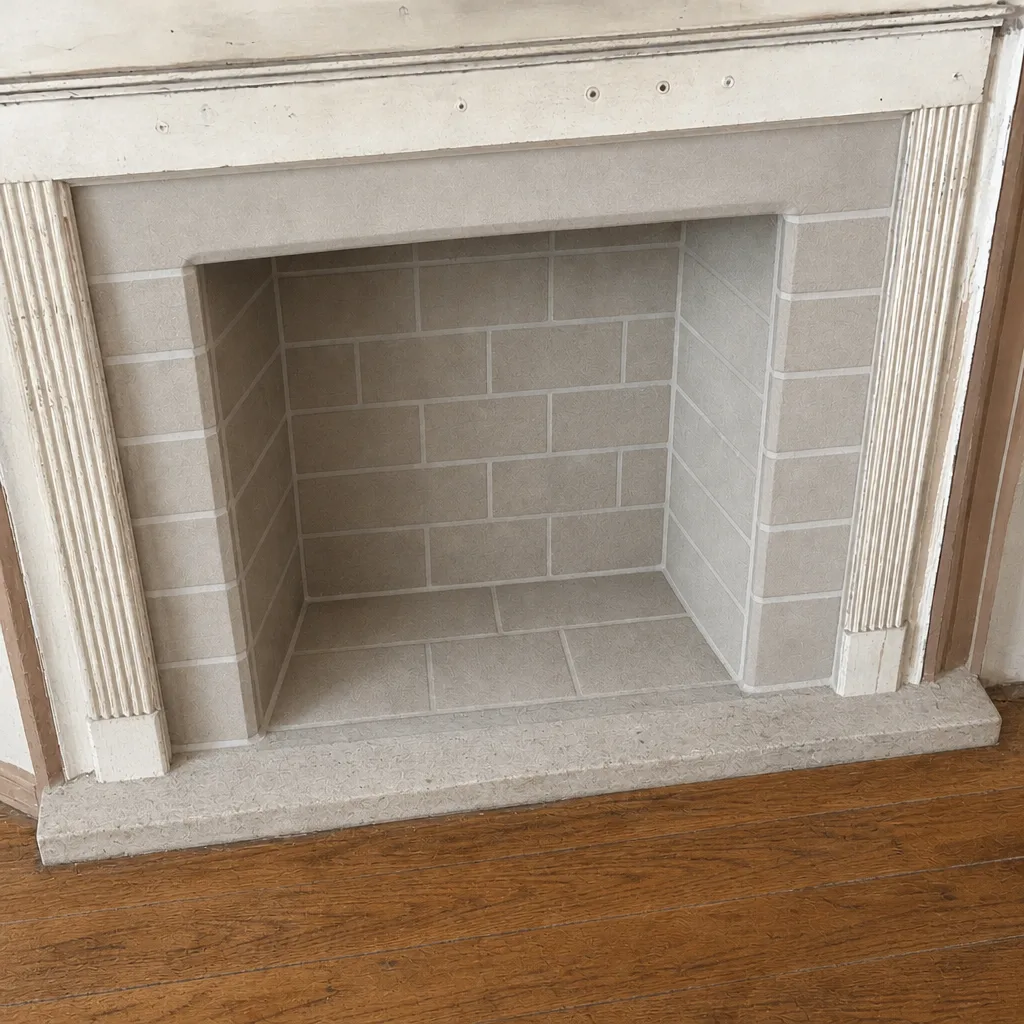 After
Pricing for Chimney Repair in Clinton Hill, NY
Chimney repair in Clinton Hill is priced per job, and the written estimate sets the final number. These are the typical ranges homeowners here see, and they reflect the reality of working on century-old masonry rather than new construction.
- Mortar repointing: typically $450 – $1,200, depending on how much of the stack is accessed and how deep the failed joints run.
- Spalling brick repair: typically $600 – $1,800, driven by brick count and whether matching units are available.
- Chimney waterproofing: typically $350 – $850 for a breathable masonry treatment on a single residential chimney.
- Flashing repair: typically $300 – $750, depending on roof access and whether the flashing is reseated or fully replaced.
- Interior relining (DuraFlex or HeatShield): typically $2,200 – $5,500, based on liner length, flue dimensions, and whether resurfacing can replace full replacement.
What moves the number: how much of the chimney is reachable, whether the work is interior only or requires roof access, and whether landmark visibility affects the exterior scope. The inspection is what tells us which of those apply. Estimates are free, and we’ll tell you plainly when work can wait.
We Also Serve Cities Near Clinton Hill
We work with homeowners across the surrounding neighborhoods too: Prospect Heights, Williamsburg, Park Slope, and Crown Heights. The same century-old brownstone and rowhouse stock runs through all of them, and the same inspection-first approach applies. If you’re just outside Clinton Hill and want a straight read on your chimney, we can help. Learn more about our chimney repair services across the area, or read about how we serve Clinton Hill specifically.
Serving Clinton Hill, NY – Our Local Coverage Area
We serve Clinton Hill and nearby communities. Use the map below to see the area we cover. If you’re nearby, we can almost certainly help.
FAQs – Chimney Repair in Clinton Hill
Almost never. In most Clinton Hill cases, a cracked clay tile flue can be relined from the inside with a DuraFlex system or restored with HeatShield resurfacing, which is faster, less expensive, and avoids the exterior review that a rebuild can trigger on a landmarked block. A rebuild is only warranted when the masonry itself has structurally failed, and that’s a claim you should be able to see on camera before you agree to it.
Because repointing fixes the joints between bricks, not the crown on top. The crown takes the full force of coastal freeze-thaw, and on Clinton Hill’s brownstone chimneys it’s often soft and under-built from the start. Until it’s rebuilt with a proper overhang and slope, water keeps getting into the brick below and undoing the repointing with every freeze. Ask us to look at the crown and the repointing as one job.
Yes, and this is where a lot of Clinton Hill homeowners get surprised. Even a fireplace that hasn’t had a fire in decades can hide a failed liner, and if a gas boiler or water heater vents into the same stack, the flue is still doing real work. A Level 2 inspection with a camera run documents the actual condition of the flue so you’re not guessing. It’s also the evidence base for any repair recommendation, and we offer it as a standalone service with no obligation to bundle.
It depends on whether the work changes the exterior appearance visible from the street. Repointing and matching brick repair often fall under maintenance, while rebuilding or altering the stack can require Landmarks Preservation Commission approval. Because so much Clinton Hill chimney work can be handled by interior relining, many repairs avoid the question entirely. Your local building department or the Commission can confirm what your specific block requires.
You can’t reliably tell from the outside, and that’s the honest answer. Third-degree creosote is a hardened, glazed layer that looks like tar and bonds to the flue wall; it’s the most combustible grade and the hardest to remove, and it requires a camera or a direct look at the flue interior to confirm. If your chimney has seen years of wood burning without a sweep, an inspection is the only way to know. Call (866) 937-7157 and we’ll get a technician out to document it.
Get a Straight Answer on Your Clinton Hill Chimney
If your chimney has been standing since the 1800s, it deserves a real inspection rather than a guess. We’ll run a camera through the flue, show you what’s actually there, and give you a written estimate that sets the price before any work begins. If the fix can wait, we’ll tell you that too.
Call (866) 937-7157 for a free estimate. We answer 24/7, with fast dispatch from 7am to 7pm, Sunday through Friday.
Written by the team at Chimney Sweep Flatbush.