
Last updated November 22, 2026
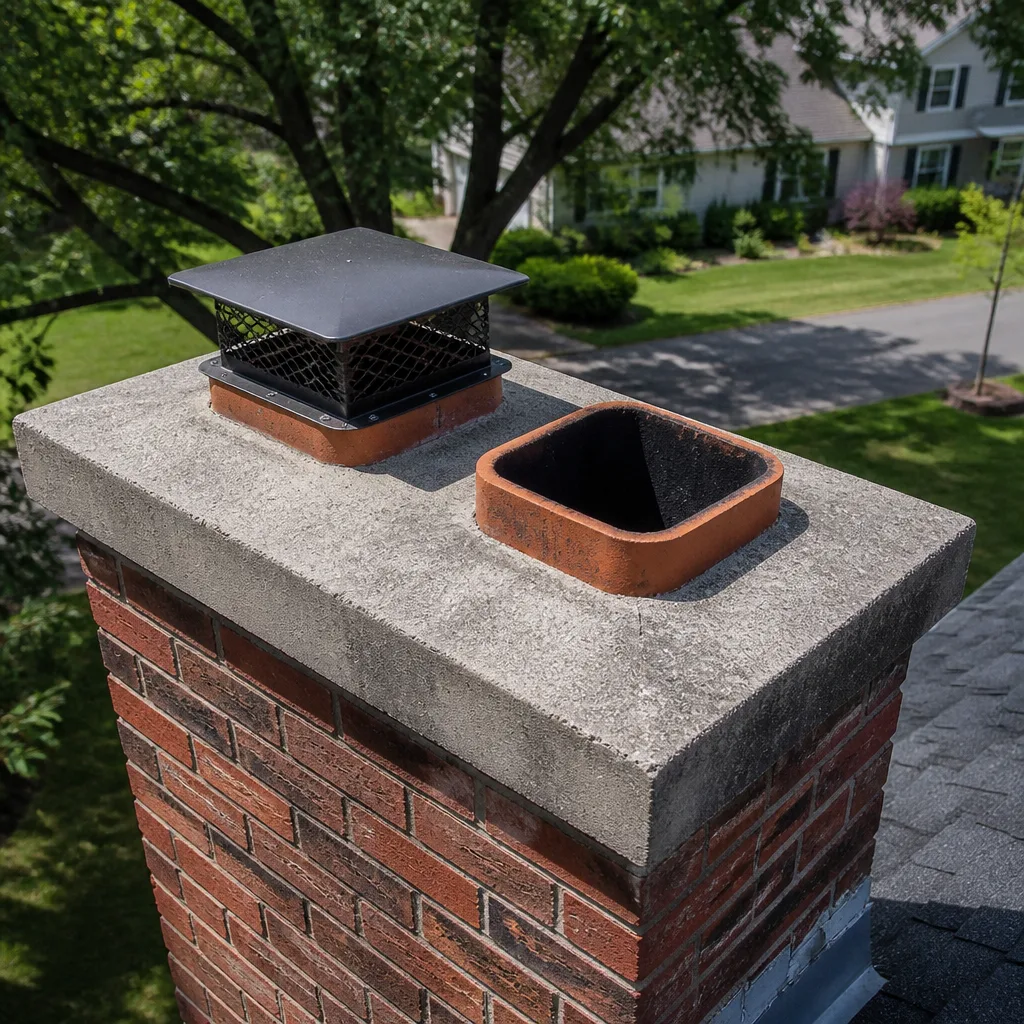 Sweep & inspection
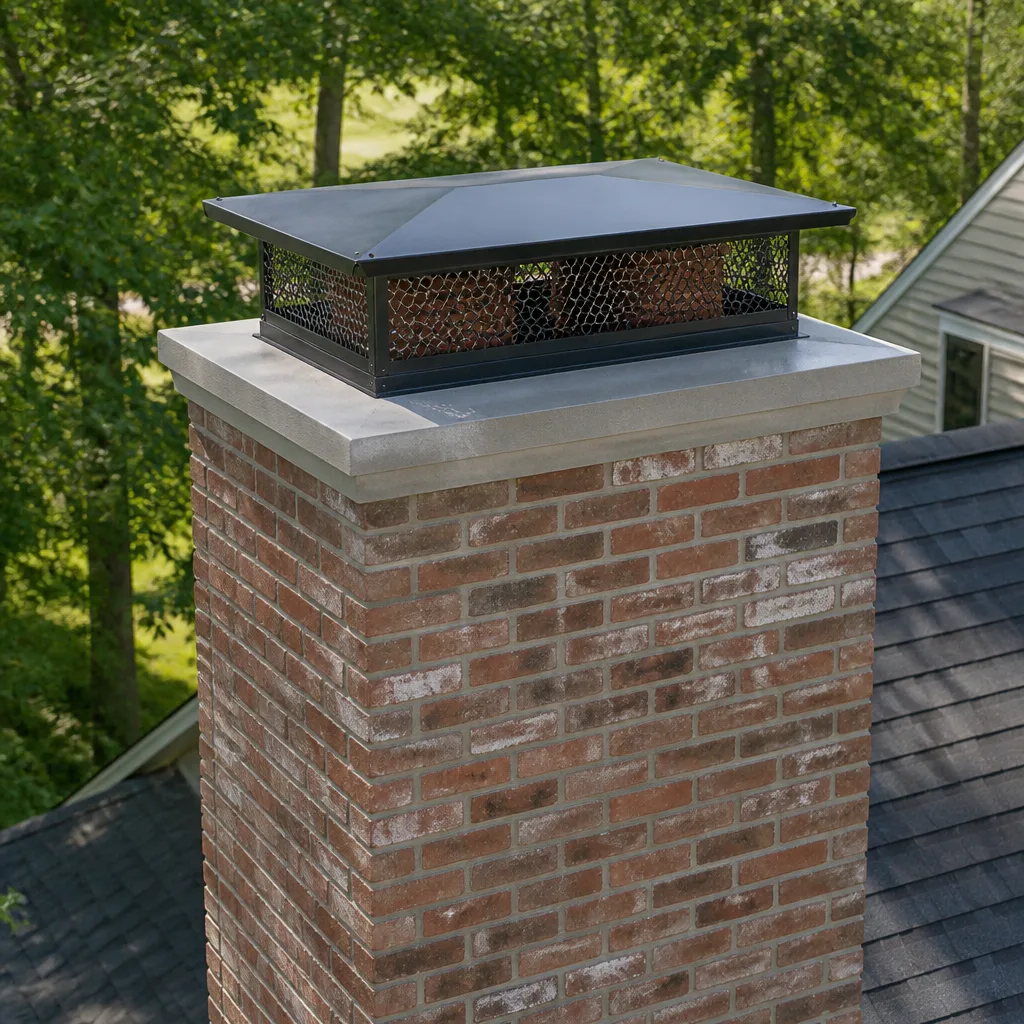 Caps & crowns
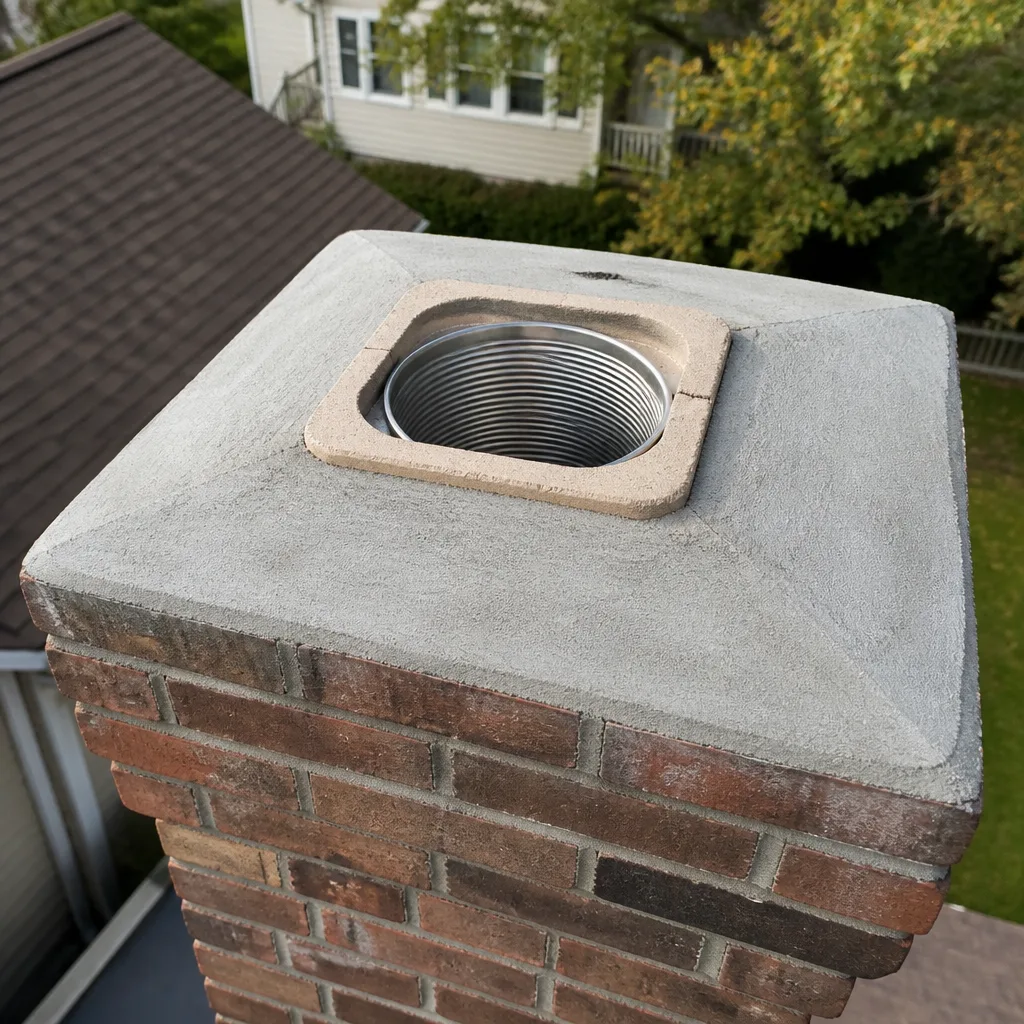 Flue relining
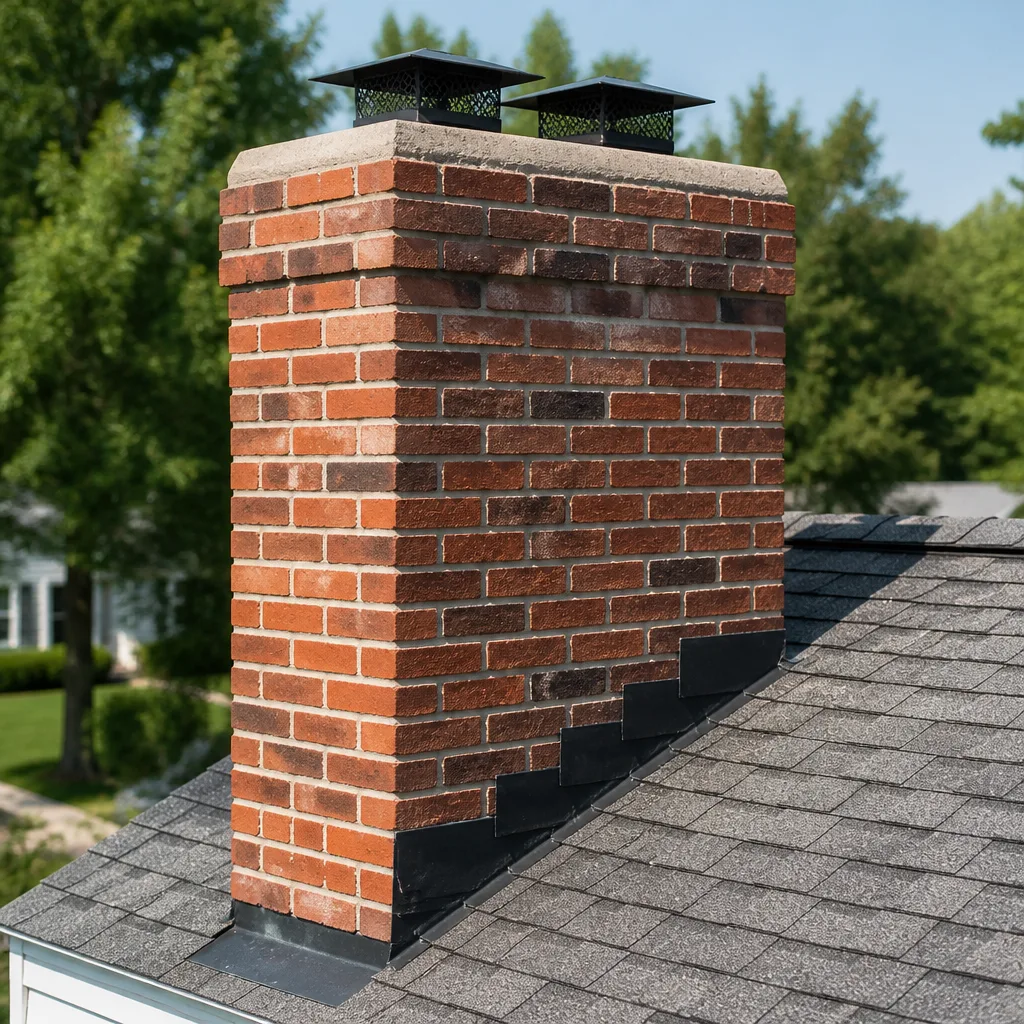 Masonry repair
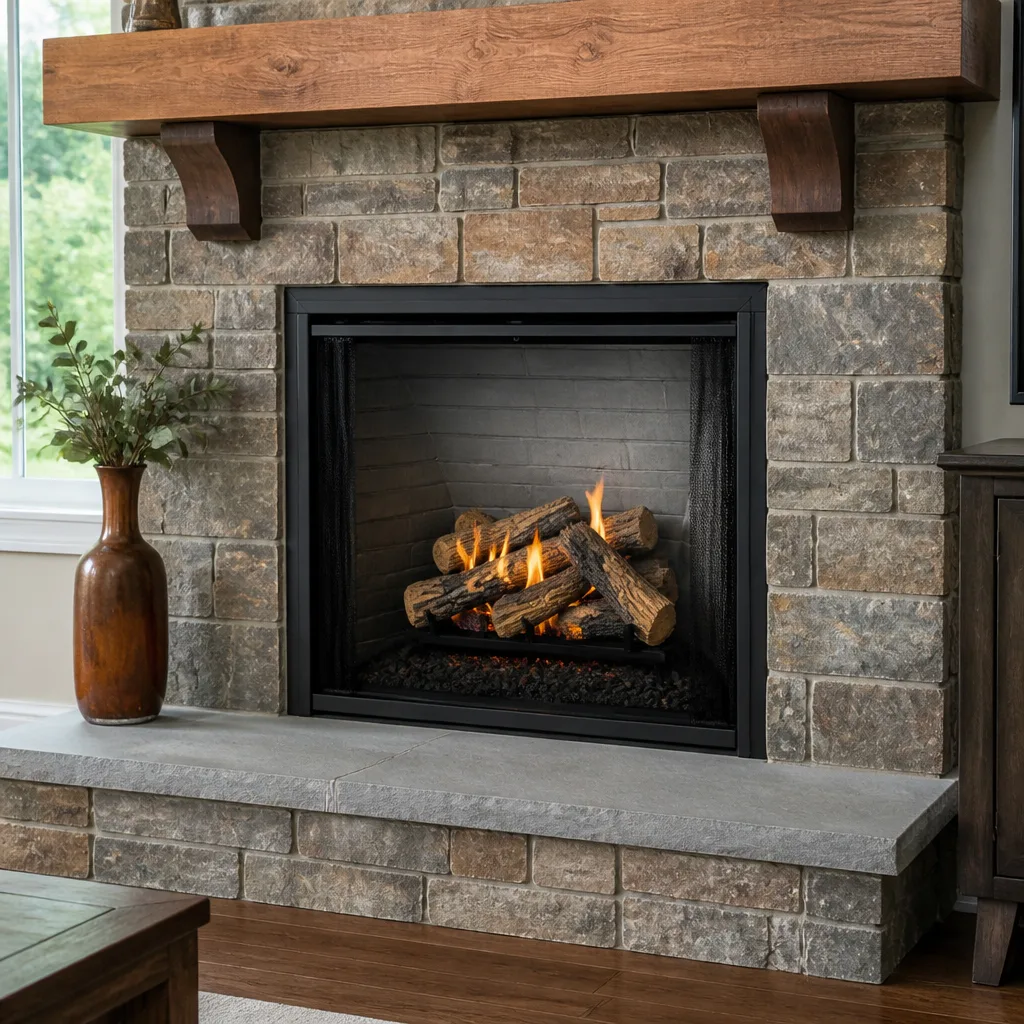 Gas fireplace service
Level 1 sweep and inspection to the NFPA 211 annual standard - flue, crown, cap, and flashing checked and photographed
Chimney sweep logs do not sweep chimneys. They loosen some creosote - which then falls where a brush and vacuum still have to collect it.
The Complete Guide to Chimney Cleaning in Flatbush
Most of the chimneys in Flatbush were built for fuel that no longer runs through them. The rowhouse flues that once carried coal smoke, and later oil exhaust, now serve gas boilers, gas water heaters, or wood stoves that were retrofitted into fireplaces decades later. That mismatch is the root cause of more creosote buildup, liner damage, and carbon monoxide risk than most homeowners realize. A brush and a shop vacuum are not the answer to a venting problem that started before the house changed hands. In this guide we’ll explain how a Flatbush chimney actually works, why cleaning here is diagnostic work rather than maintenance theater, and how to read the findings a technician hands you afterward.
Quick Answer
Chimney cleaning in Flatbush means sweeping the flue and then evaluating the whole venting system against NFPA 211, the national standard for chimneys, fireplaces, vents, and solid-fuel appliances. A proper cleaning removes creosote and residue but also documents what the flue is lined with, whether that liner is sound, and what appliance it currently serves. If you burn wood regularly, an annual sweep and inspection is the baseline; gas and oil appliance flues still need periodic inspection even though they produce less visible soot.
Styles & brands we work with
- Sweep & inspection
- Caps & crowns
- Flue relining
- Masonry repair
- Gas fireplace service
Table of Contents
- Why Flatbush Chimneys Need Different Cleaning
- What “Clean” Actually Means Under NFPA 211
- Cleaning a Wood Flue vs. a Gas Appliance Flue
- Oil-to-Gas Conversion Residue and Liner Damage
- Reading a Level 1 vs. Level 2 Inspection Report
- How a Professional Cleaning Works, Step by Step
- How Often Should You Schedule a Sweep?
- What Chimney Cleaning Costs in Flatbush
Why Flatbush Chimneys Need Different Cleaning
Flatbush is dense with pre-war rowhouses, and those buildings share a set of conditions you won’t find in newer construction. The chimneys are typically brick with clay tile liners, built into shared party walls, and sized for appliances that were installed generations ago. A flue originally sized for a coal furnace is oversized for a modern gas water heater, and an oversized flue runs cool, which lets combustion gases condense on the liner instead of venting cleanly. Add the neighborhood’s long history of conversions, from coal to oil to gas, and you get a chimney system with layers of adaptation that no single sweep can sort out by eye.
A few specific Flatbush realities shape how we approach cleaning:
- Shared chimneys and party walls. Rowhouse neighbors often vent into the same masonry stack, each with its own flue. A blocked or deteriorated flue next to yours can affect draft and can let smoke or carbon monoxide cross over. Sweeping one flue is not the same as evaluating the stack.
- Aging clay tile liners. Clay tile is durable, but the mortar joints between tiles crack over time. Heat cycling from wood fires, moisture from unused chimneys, and the acidic residue of oil exhaust all attack those joints. A sweep that only brushes the flue can knock loose material free without ever revealing the gap behind it.
- Narrow flues, tight clearances. Many rowhouse chimneys have offset flues and tight offsets near the smoke shelf. A standard rigid brush can’t always follow the bends; a flexible liner and appropriate brush head are the only reliable way through.
- Draft problems in tightly built homes. Weatherized rowhouses are less leaky than they once were, which reduces the make-up air a chimney needs. This matters in Flatbush apartments and converted buildings where a gas boiler and a wood fireplace may draw on the same air supply.
None of this means Flatbush chimneys are somehow worse than others. It means they were built for a fuel era that’s gone, and cleaning has to account for that. If you’re setting up a first appointment, our chimney sweep service page covers what a visit includes.
What “Clean” Actually Means Under NFPA 211
A flue is “clean” when it has been swept free of creosote, soot, and obstruction, and when the technician has confirmed that the liner, joints, and connections are intact and the appliance is properly vented. NFPA 211 defines the standard for chimneys, fireplaces, vents, and solid-fuel appliances, and it’s the benchmark a technician should be measuring against. Visual clearance alone is not the standard. A flue can look clean and still fail, because the things that matter most – cracked tile joints, gaps behind a smoke chamber, a liner that has separated from the wall – are not visible from the firebox.
What a trained technician confirms after a sweep:
- The flue is free of visible creosote, soot, and nesting material from top to bottom.
- The liner material and every accessible joint are intact and correctly sized for the appliance it serves.
- The smoke chamber and smoke shelf are free of buildup and the damper operates properly.
- The firebox walls and hearth are sound, with no gaps that could let heat or gas into the structure.
- The cap, crown, and flashing are weathertight and not letting water into the flue.
- The appliance connection (stovepipe, boiler flue connector, or fireplace insert collar) is secure and correctly fitted.
If a technician hands you a report and none of those six items are mentioned, the sweep was incomplete. That’s the plainest way to think about the NFPA 211 benchmark. A cleaning is only finished when the system has been evaluated, not just brushed.
Cleaning a Wood Flue vs. a Gas Appliance Flue
Wood and gas flues need different tools, different techniques, and different inspection criteria, and treating them the same is one of the most common mistakes we see in Flatbush. A wood flue produces creosote, which ranges from light soot to a glazed, tar-like deposit that a standard poly brush will skate over. A gas flue produces very little visible soot, but it produces water vapor and, in some cases, acidic condensate. The brush, the inspection, and the risk profile are all different.
Wood-burning flue
- Creosote is the primary hazard. Stage 3 glazed creosote is a fire fuel and needs chemical treatment or mechanical removal before the flue can be called clean.
- Brush type matters. Poly brushes for standard soot, wire brushes for stubborn deposits, and rotary equipment for glazed creosote. The wrong brush can damage a clay liner.
- Inspection criteria focus on heat and clearances. Wood fires burn hot; the liner, the clearances to combustibles, and the cap all get examined for heat damage.
Gas appliance flue
- Condensation is the primary hazard. A gas boiler or water heater flue that runs cold produces condensate that attacks mortar and metal. Look for corrosion, efflorescence, and rusted connectors.
- Brush type is usually softer. Less aggressive tooling; the goal is to remove any loose deposit and inspect the venting path rather than dig out creosote.
- Inspection criteria focus on venting and spillage. A gas appliance that isn’t drafting properly is a carbon monoxide risk, so the technician checks draft, the flue connector, and the termination.
In Flatbush rowhouses, it’s common for one chimney stack to have a wood flue on one side and a gas appliance flue on the other. A proper cleaning treats each as its own system. This is the reason we inspect before we recommend – the finding, not the fuel, sets the work.
Oil-to-Gas Conversion Residue and Liner Damage
Many Flatbush chimneys once vented oil-fired boilers. When a building converted to gas, the oil flue was often left in place and simply reused, sometimes with a new appliance connector, sometimes with nothing more than a fresh coat of paint in the basement. The problem is that oil exhaust leaves sulfuric acid deposits on the flue walls. Those deposits sit in the joints and pores of clay tile and mortar, and they keep attacking the liner long after the oil burner is gone. Gas flues run cooler and wetter than oil flues, which reactivates that acid residue and accelerates deterioration.
What this looks like during cleaning:
- Chalky white or gray efflorescence on the liner and mortar joints.
- Soft or crumbly mortar between tiles, easy to scrape with a hand tool.
- Rust staining on metal vent connectors and dampers.
- A flue that sheds grit and dust during the sweep, rather than holding a clean wall.
When we see these signs, the recommendation is usually a liner decision, not a second sweep. HeatShield resurfacing is often the structurally sound choice for a clay liner with joint damage that hasn’t yet failed completely – it casts a new lining inside the old flue and restores the joints without a full teardown. Where the liner is beyond resurfacing, we fit DuraFlex flexible liner systems, which follow the offsets common in Flatbush rowhouse chimneys where rigid liner physically won’t go. Both are professional-grade materials, not hardware-store substitutes. You can read more about the repair side in our chimney repair page.
Reading a Level 1 vs. Level 2 Inspection Report
A Level 1 inspection is the standard visual check that comes with an annual sweep, and it obligates you to nothing beyond acting on obvious problems. A Level 2 inspection adds a video scan of the flue interior and is required after a property changes hands, after an appliance change, after an event that may have damaged the chimney, or when the flue is being assessed for a liner decision. The difference between the two is not cosmetic – it’s the difference between “looks fine from the firebox” and “we know what the entire flue wall looks like.”
Here’s how to read what each level actually means for you:
If the finding is a Level 1 report
- A routine sweep and visual check were done; the flue is clear and no obvious defect was noted.
- The finding obligates you to keep the annual schedule and act on anything the technician flagged as a watch item.
- No documented interior scan exists. If the appliance changes, upgrade the inspection before committing to the new setup.
If the finding is a Level 2 report
- A video scan was made, and any gap, crack, offset, or separated joint is visible in the footage.
- The finding obligates you to act on any liner defect the footage shows – resurfacing, relining, or a documented decision to defer with a re-inspection date.
- You should have the photo or video report in hand, not just a verbal summary. A technician who won’t share the scan is a reason to get a second opinion.
Our Chimney Sweep Flatbush team offers inspection as a standalone service so you can get the documented finding before committing to any repair. Nothing gets recommended without camera evidence you can look at yourself.
How a Professional Cleaning Works, Step by Step
A professional sweep follows a sequence, and each step exists for a reason. Here’s what a typical visit looks like in a Flatbush rowhouse:
- Set up protection. Drop cloths and a HEPA vacuum are positioned at the firebox before any tool touches the flue. Soot travels through the room faster than people expect.
- Clear the firebox and damper. Any ash, wood, or debris is removed; the damper is checked for operation and clearance.
- Sweep the flue from the bottom up. Appropriate brush heads, selected for the liner material and the fuel the flue serves, are run up the full flue length. Rotary equipment is used when creosote is glazed.
- Brush the smoke chamber and smoke shelf. These areas trap buildup that a straight-flue sweep can miss, and they are a common source of draft problems.
- Check the appliance connection. The stovepipe, boiler connector, or insert collar is checked for security and condition.
- Perform the inspection. A Level 1 visual check, or a Level 2 video scan if indicated, documents the liner, joints, cap, crown, and flashing.
- Provide the written finding. You receive a report that states what was done, what was found, and what (if anything) is recommended. Work you can safely defer is noted as deferrable.
Using Copperfield specialty tools in the sweep and inspection stages is a professional standard, not a selling point – the equipment has to reach where the hand can’t. After the cleaning, if the cap or crown shows wear, that’s a separate follow-on conversation; you can see what that involves on our chimney cap & crown page.
How Often Should You Schedule a Sweep?
If you burn wood in a fireplace or wood stove, an annual sweep and inspection is the standard, regardless of how much you burned last winter. If you don’t burn wood, the schedule is driven by the appliance and the flue: a gas-flue inspection every few years, an oil-to-gas conversion flue checked at conversion and re-checked after the change, and a full Level 2 scan before any new appliance is connected. A property manager handling multiple Flatbush rowhouses is usually best served by a documented schedule per appliance rather than a single sweep date per building.
Mechanical signals that say “don’t wait for the annual date”:
- Strong smoke odor inside the room when the fireplace is not in use.
- Draft that has clearly gotten worse, or smoke spilling back into the room when a fire starts.
- A boiler or water heater that seems to vent less cleanly than it used to.
- A recent property sale or appliance replacement, either of which calls for a Level 2 inspection before you rely on the flue.
- Visible crumbling mortar, efflorescence, or a loosening cap from the ground or the roof.
If any of those are present, don’t wait for the annual slot. Call and get an inspection on the calendar. The urgency is seasonal – before the burning season opens – rather than hourly, but a live spillage problem is not something to sit on.
What Chimney Cleaning Costs in Flatbush
A chimney cleaning in Flatbush is priced per job by a written estimate, and the number depends on the access, the fuel the flue serves, the condition of the liner, and whether an inspection is included. There is no single price that covers every rowhouse chimney, because a straight flue on a two-story building and an offset flue behind a converted basement boiler are not the same job. The estimate sets the final price, and it should be agreed before any work is booked.
How the price typically breaks down, in general terms:
| Item | What it covers | Pricing notes |
|---|---|---|
| Sweep | Firebox, flue, smoke chamber, smoke shelf | Priced per flue; flat-price sweep agreed before booking |
| Level 1 inspection | Visual check with the sweep | Usually included with the sweep |
| Level 2 inspection | Video scan of the flue interior | Standalone service, no obligation to repair |
| Cap and crown check | Weathertightness of the flue top | Famco or Gelco cap installation priced separately if needed |
| Liner assessment | Resurfacing vs. reline decision | HeatShield resurfacing or DuraFlex flexible liner quoted per job |
Two things to keep in mind when you compare estimates. First, a sweep that doesn’t include any inspection isn’t a complete job, so a low number that leaves out the evaluation isn’t cheaper – it just leaves you uninformed. Second, a quote that jumps straight to full liner replacement without a Level 2 scan is a red flag. Resurfacing is a real alternative where the clay liner is intact enough, and it should be on the table. Call (866) 937-7157 for a free estimate. We answer 24/7. Fast dispatch from 7am to 7pm, Sunday through Friday.
Common Mistakes to Avoid
- Treating a sweep as a cleaning only. Adding an inspection is the difference between a clear flue and a documented flue. In Flatbush rowhouses with aging clay liners, the finding is the valuable part of the visit.
- Burning wood in a flue sized for a gas appliance. A flue converted to gas is not automatically safe for wood smoke. The liner size and material have to match the fuel, and the only way to know is to have it evaluated.
- Assuming a gas flue needs no inspection. Gas exhaust runs wetter and cooler than oil or wood, and an oversized gas flue in a pre-war rowhouse can produce condensate that quietly eats the liner from the inside.
- Skipping a Level 2 scan before buying or selling. A Flatbush home sale or a boiler replacement almost always makes a video scan the right call; going with a visual check alone leaves the interior of the flue undocumented.
- Letting a liner problem “wait until next year” without a re-inspection date. Deferring safely is fine; deferring without a date and a written finding is what turns a repair into a failure.
- Using generic hardware-store liner material. A flexible liner is not a universal product – the sizing, the joint configuration, and the manufacturer’s spec all matter. Professional-grade DuraFlex, Olympia Chimney, and comparable materials are what a proper retrofit calls for.
- Ignoring the cap and crown until the ceiling stains. Water entry from a failing crown is a liner problem in the making. A cap and crown check is quick, and a Famco or Gelco cap is a durable fix when the top shows wear.
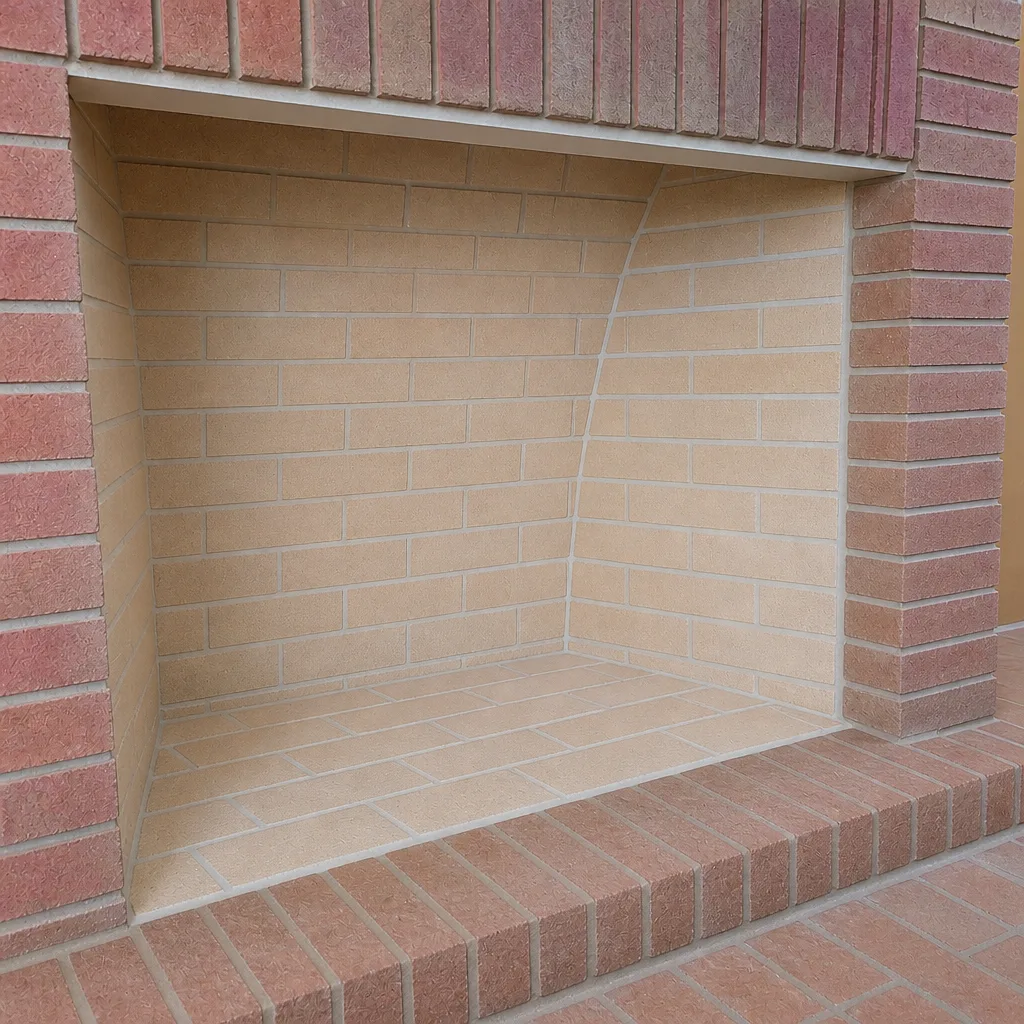
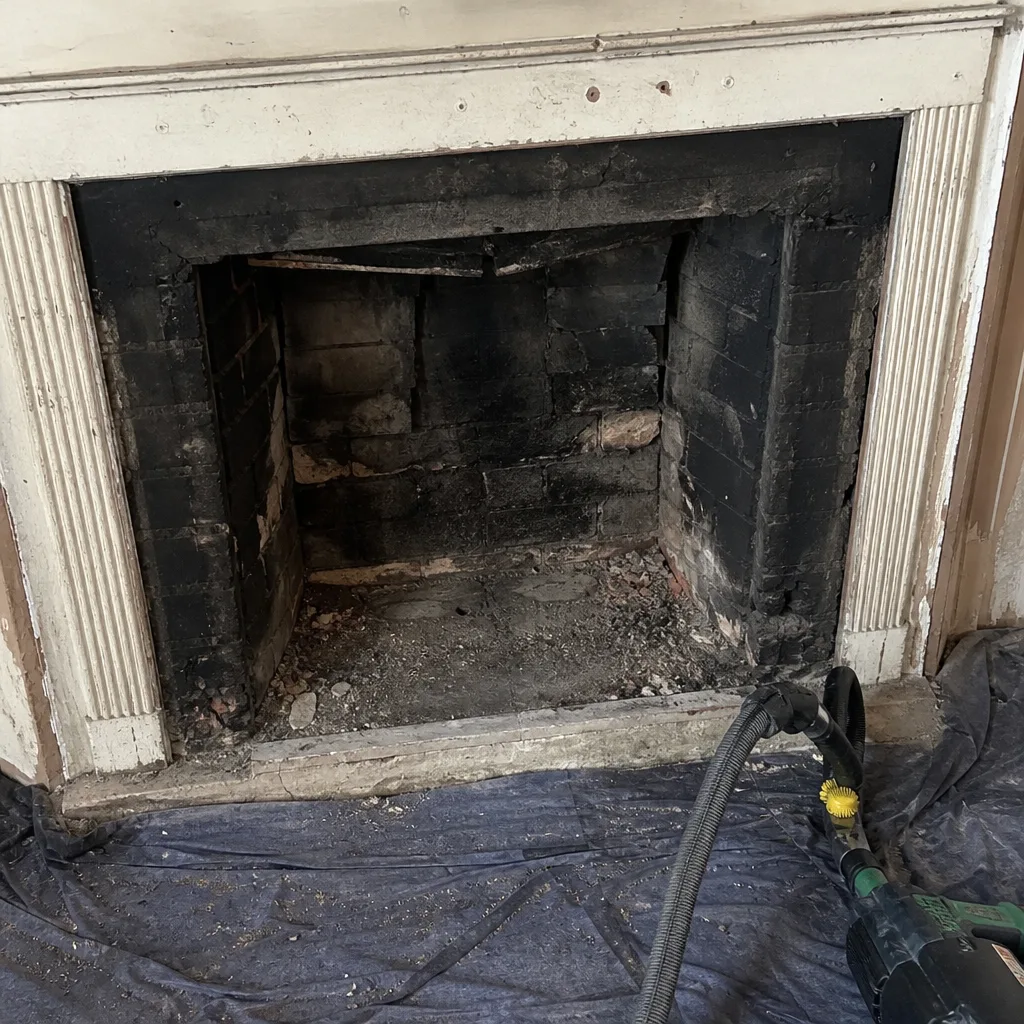
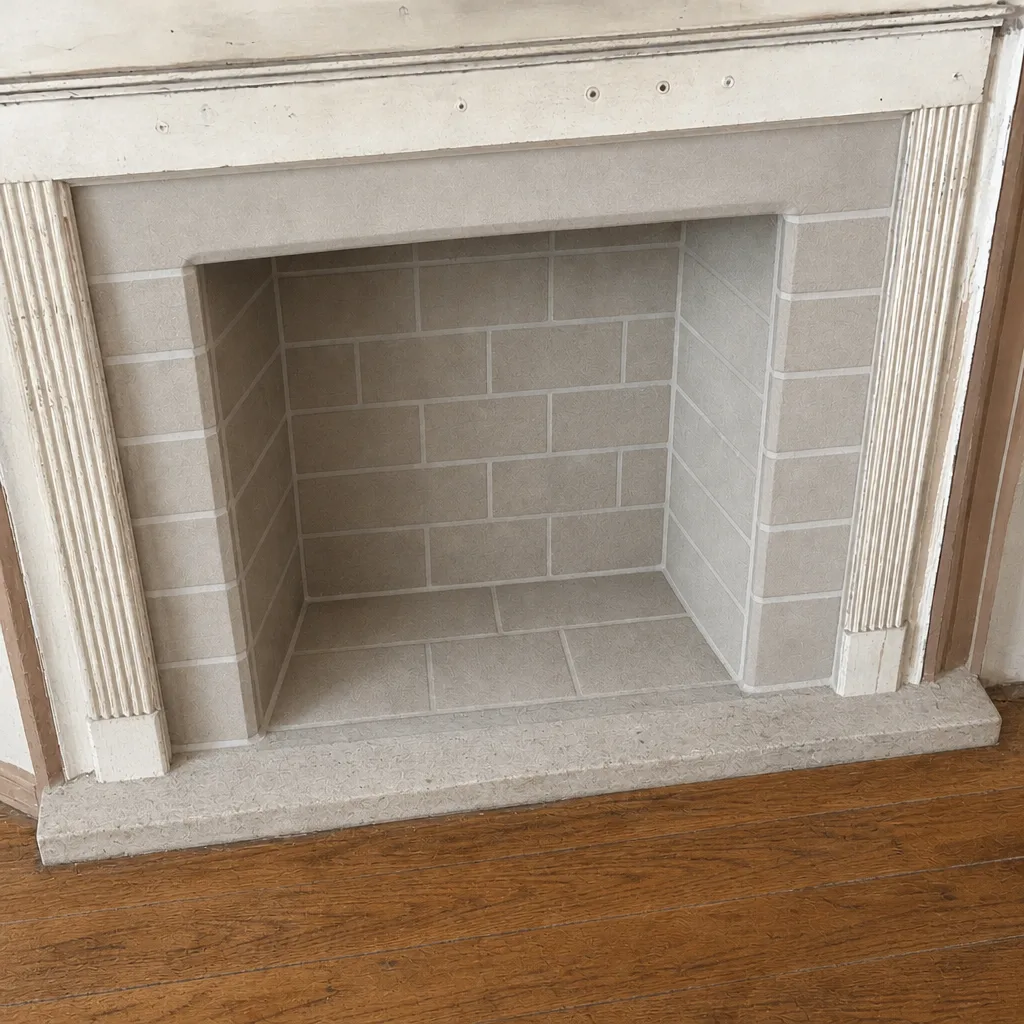
See the difference
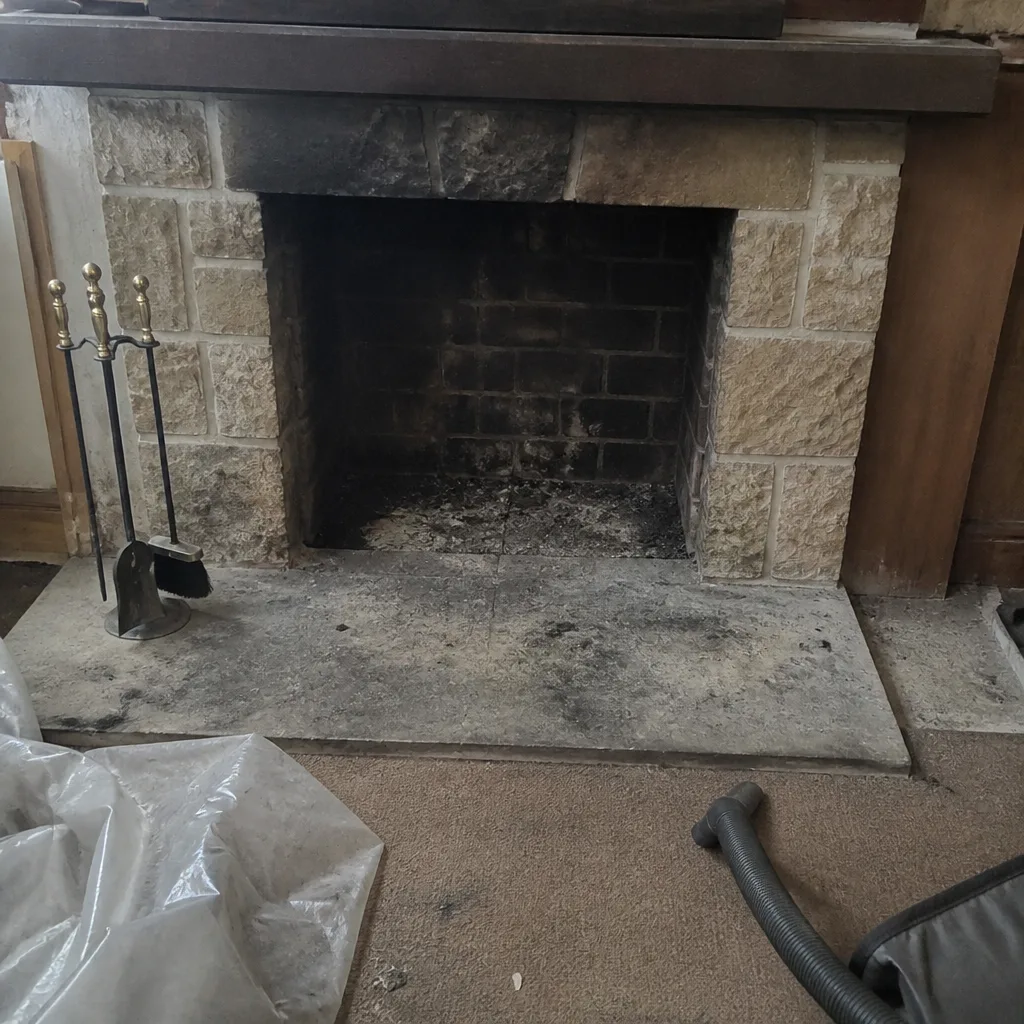 Before
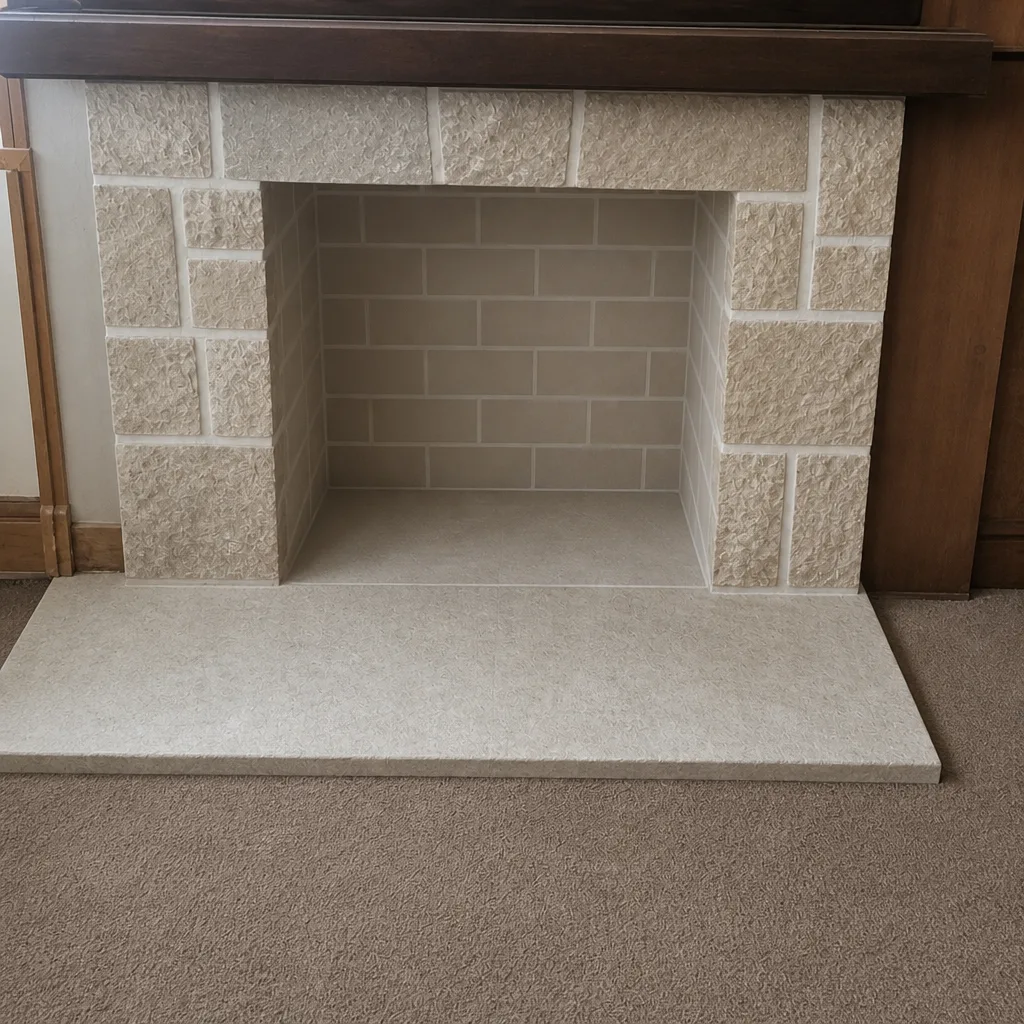 After
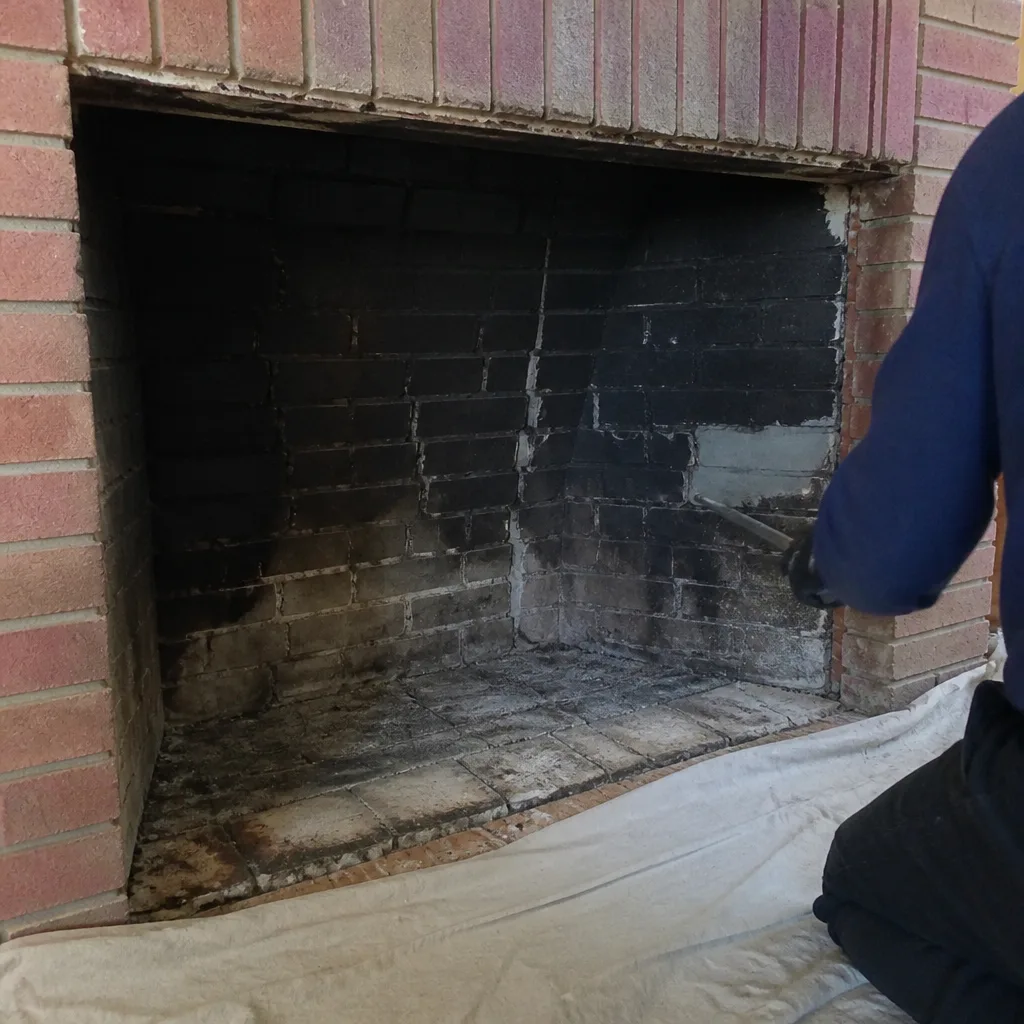 Before
 After
 Before
 After
When to Call a Professional
Call a professional if you’re scheduling a first sweep before the burning season, if you’ve bought a Flatbush rowhouse and don’t know the history of the flue, if the boiler has been replaced or converted from oil to gas, if you’re seeing smoke or odor backdrafting, or if visible efflorescence or crumbling mortar suggests the liner is failing. Call if a prior sweep left you without a documented finding, and call if a quote for liner work arrived without a video scan behind it. Chimney work on a rowhouse involves shared stacks, party walls, and clay liners that are hard to read from outside – this is not a component to assess by eye or handle with generic tools. Chimney Sweep Flatbush offers free estimates in Flatbush – call (866) 937-7157. We answer 24/7. Fast dispatch from 7am to 7pm, Sunday through Friday.
Frequently Asked Questions
A chimney cleaning in Flatbush is priced per job by a written estimate, and the final number depends on the flue access, the fuel the flue serves, and whether a Level 2 inspection is included. The flat-price sweep is agreed before booking, and the estimate sets the final price. Call (866) 937-7157 for an exact quote – estimates are free.
Not always – a HeatShield resurfacing is often the correct fix where a clay liner has joint damage but hasn’t fully failed, and a full reline is only the right call when the liner is beyond resurfacing. The decision should be based on a Level 2 video scan you can see, not a visual guess. Nothing is recommended without camera evidence. Call (866) 937-7157 to book the scan – estimates are free.
Annually if you burn wood in a fireplace or wood stove, regardless of how much you burned; less often for a flue that only serves a gas appliance, but still on a documented inspection schedule. A property sale, an appliance change, or a boiler conversion each call for a Level 2 inspection before the flue is relied on. Call (866) 937-7157 to get a date on the calendar – estimates are free.
Creosote accumulates, the flue loses draft, and any existing liner defect gets worse – the fire and carbon monoxide risks come from that combination, not from soot volume alone. The cost of skipping isn’t a surprise bill; it’s a flue that reaches the point where the repair options narrow. Call (866) 937-7157 before the burning season – estimates are free.
A Level 1 is a visual check and is appropriate for a routine annual sweep when the flue and appliance haven’t changed. A Level 2 adds a video scan and is called for after a property sale, an appliance replacement, an oil-to-gas conversion, or any event that may have damaged the chimney. If you’re unsure which applies, book the Level 2 and let the footage decide. Call (866) 937-7157 for a free estimate.
Yes, each flue is swept with the appropriate tool for its fuel and liner, and each is inspected separately – the smoke chamber and the appliance connection are checked on both. The findings come back as one documented report, but the criteria for wood and gas are different. Call (866) 937-7157 to book a multi-flue clean – estimates are free.
The Bottom Line
Chimney cleaning in Flatbush is diagnostic work. The sweep clears the flue, but the value is the finding: what the liner is made of, whether the joints are intact, what appliance the flue actually serves, and whether anything needs action before the burning season. The neighborhood’s pre-war rowhouse stock, aging clay liners, and oil-to-gas conversion history make that finding matter more than it does in a new build. We inspect before we recommend, we put the camera evidence in your hands, and we say plainly when work can safely wait. One company for the full chimney system – sweep, cap and crown, repair, fireplace repair, and inspection – and a written estimate that sets the price before anything is booked. Call (866) 937-7157. We answer 24/7. Fast dispatch from 7am to 7pm, Sunday through Friday.
Schedule Your Flatbush Chimney Inspection
If you’re ready to move from a guess to a documented answer, start with an inspection. A sweep and a written finding tell you exactly what you’re working with before the burning season, and the decision on any liner work comes after you’ve seen the footage – not before. Our technicians have up to 9 years of experience, we work with professional-grade materials from DuraFlex, HeatShield, Olympia Chimney, Famco, and Copperfield, and inspection is available as a standalone service with no obligation to bundle. Call (866) 937-7157 for a free estimate. We answer 24/7. Fast dispatch from 7am to 7pm, Sunday through Friday.
Written by the team at Chimney Sweep Flatbush.