
Last updated November 22, 2026
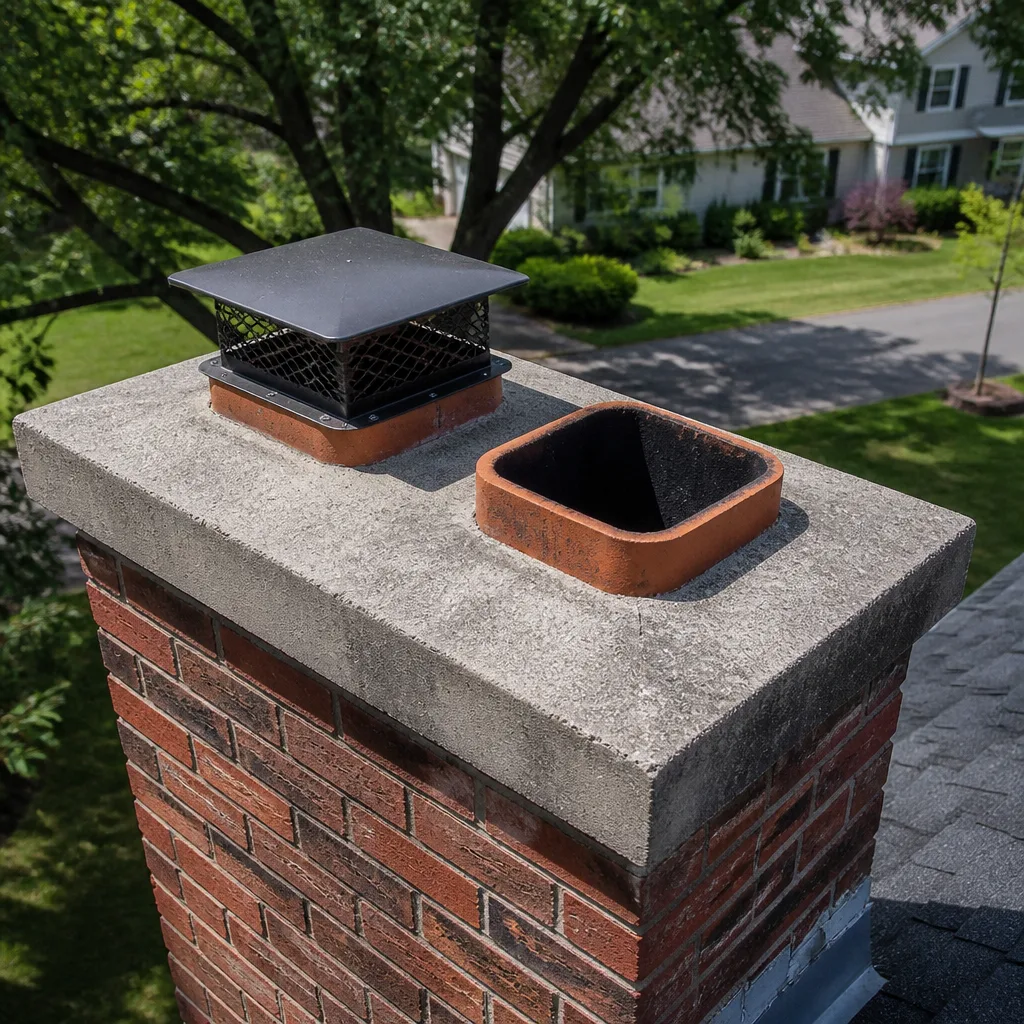 Sweep & inspection
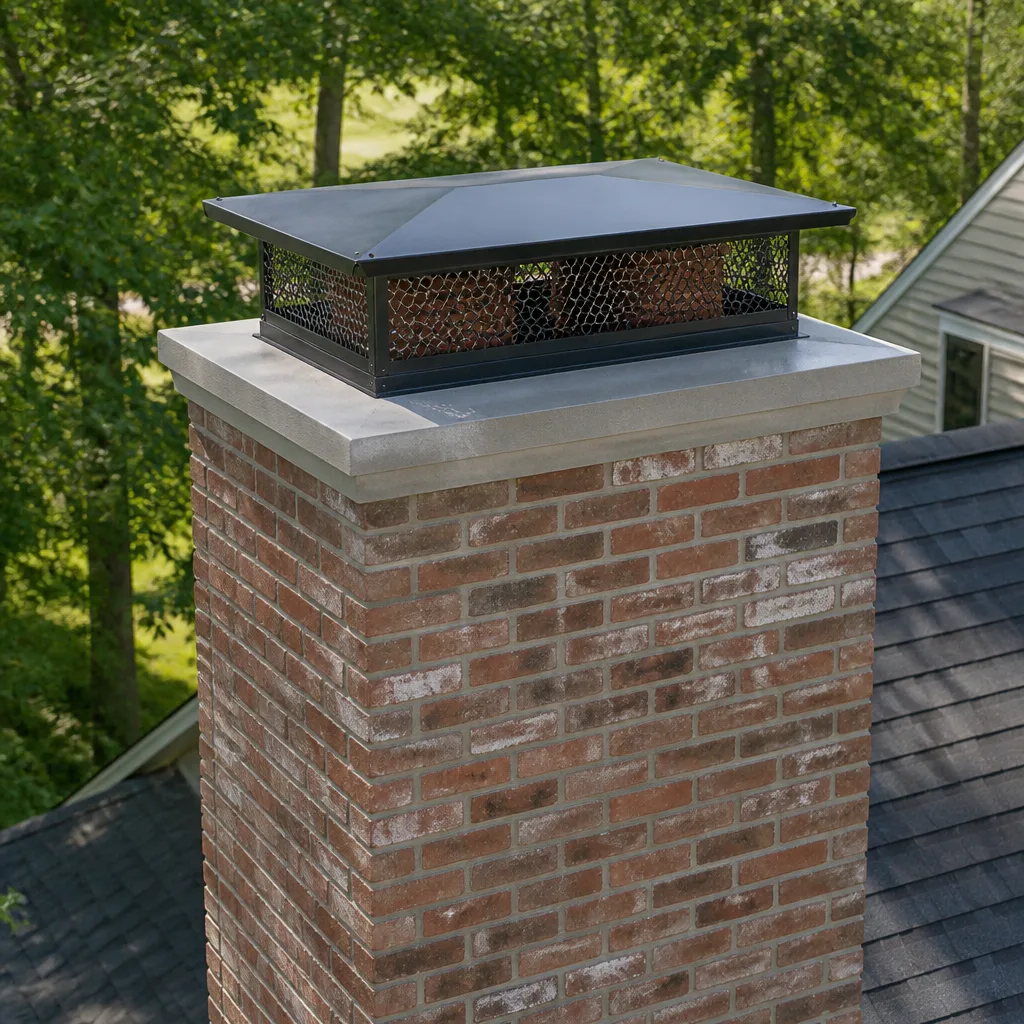 Caps & crowns
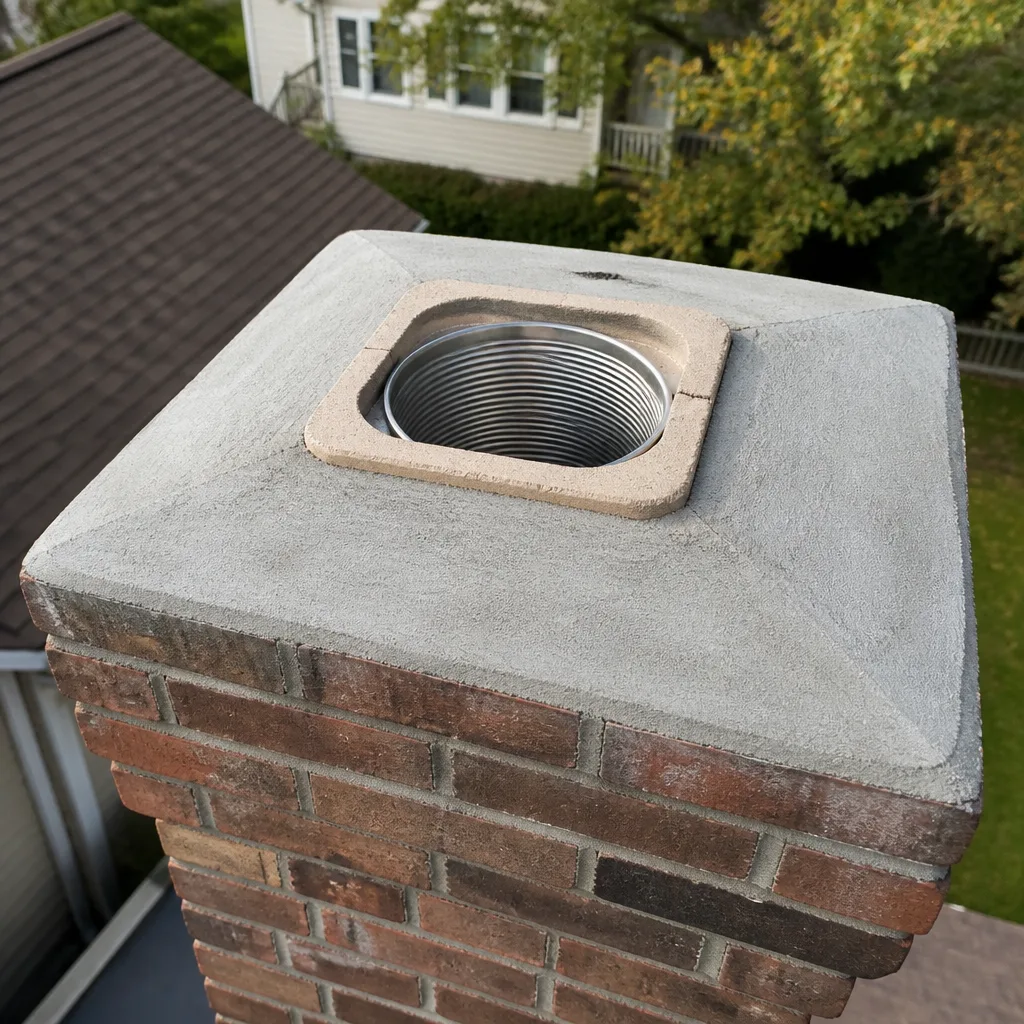 Flue relining
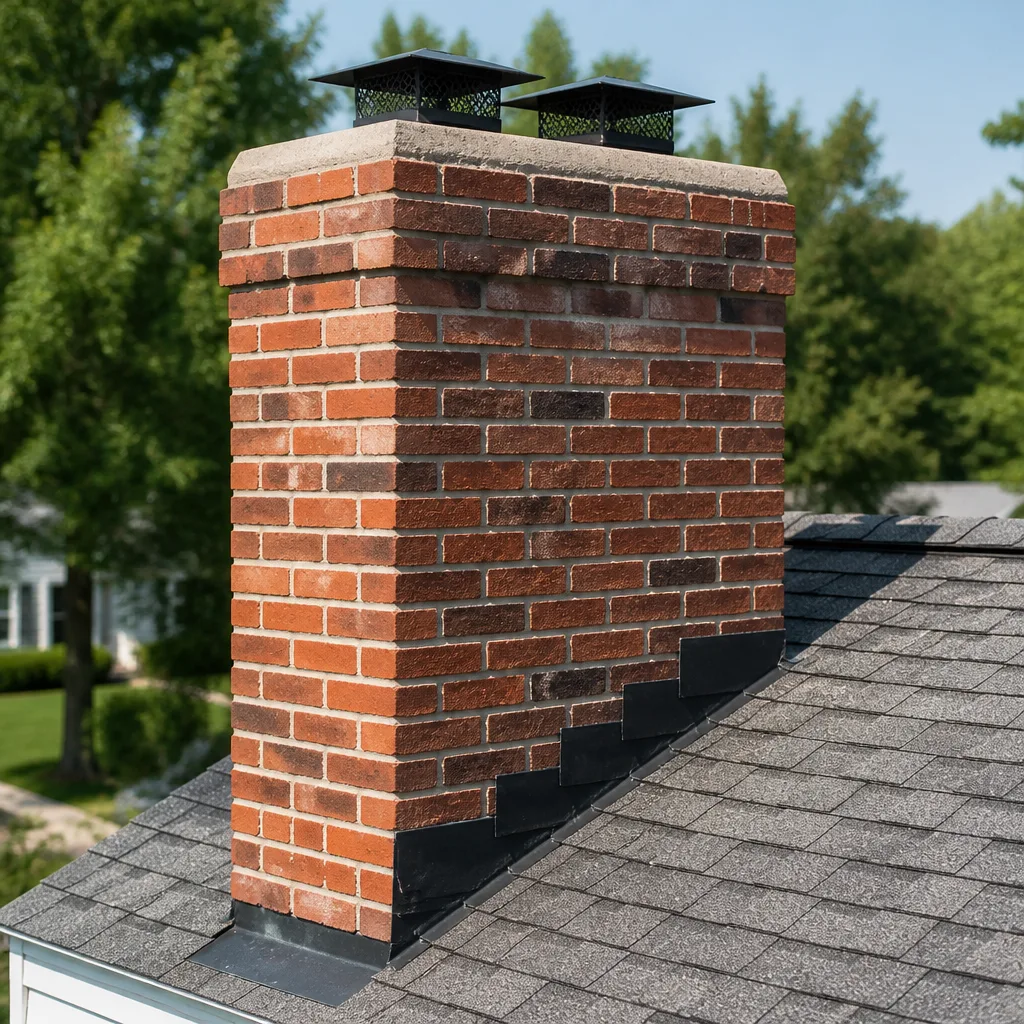 Masonry repair
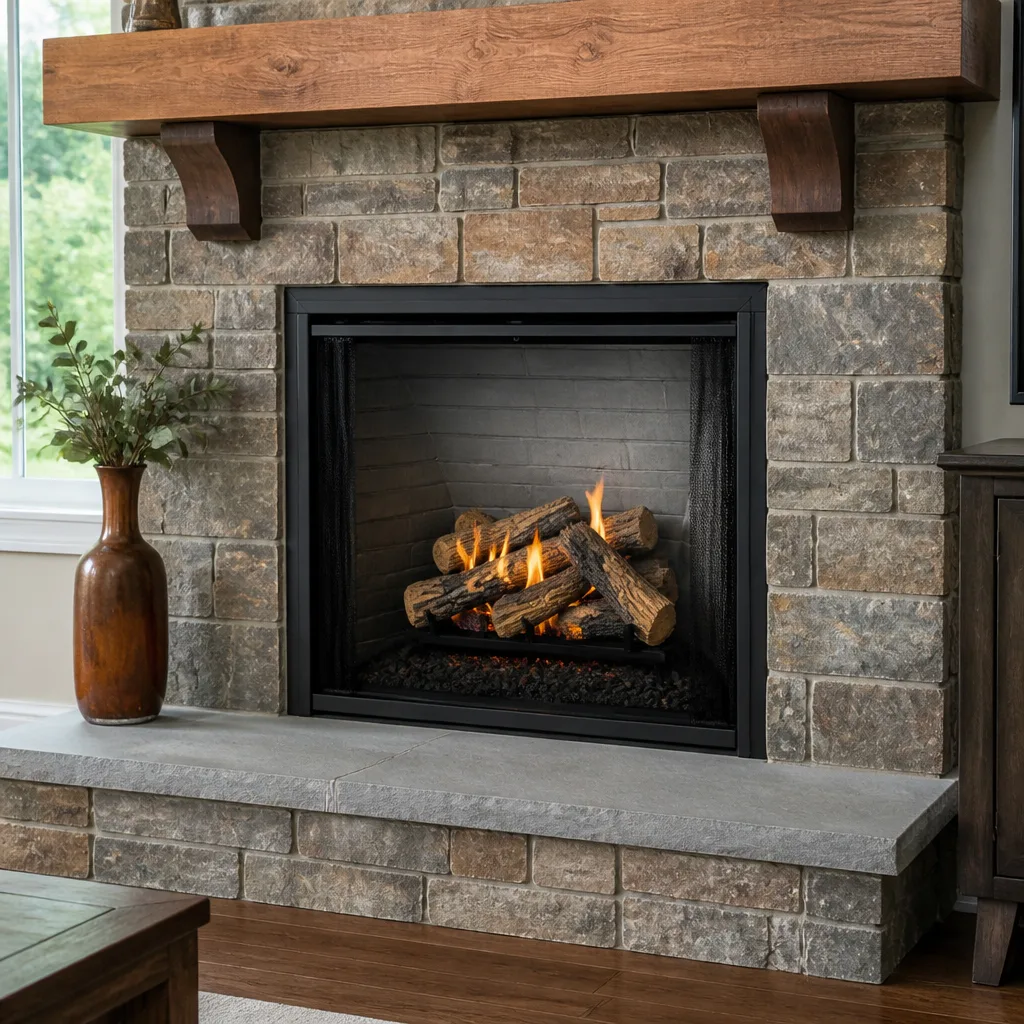 Gas fireplace service
Level 1 sweep and inspection to the NFPA 211 annual standard - flue, crown, cap, and flashing checked and photographed
Chimney sweep logs do not sweep chimneys. They loosen some creosote - which then falls where a brush and vacuum still have to collect it.
Chimney Cleaning Permits, Codes & Inspections in Flatbush, NY: What You Need to Know
Here’s the part most Flatbush homeowners don’t expect: the sweep itself needs no permit, but almost everything a sweep uncovers might. A brush and a vacuum pulling creosote out of a flue is maintenance. Rebuilding a crown, replacing a liner, or connecting a new wood stove crosses a line into work that New York City regulates through the Department of Buildings. That gap between “cleaning” and “repair” is where paperwork gets skipped, and skipped paperwork surfaces years later during a sale, a refinance, or an insurance claim. This guide walks through which chimney services stay permit-exempt, which don’t, and how the code standards and city rules sort themselves out on a Flatbush rowhouse.
Quick Answer
Routine chimney cleaning in Flatbush does not require a permit. Structural chimney repair, liner replacement, and new appliance installations generally do fall under NYC Department of Buildings oversight and may need a filed permit and inspection. NFPA 211 sets the national standard for how the work should be done, while NYC codes and DOB rules govern whether the work must be permitted and inspected. Always confirm the permit question with the DOB or a licensed professional before any repair starts.
Styles & brands we work with
- Sweep & inspection
- Caps & crowns
- Flue relining
- Masonry repair
- Gas fireplace service
Table of Contents
- Which chimney services are permit-exempt in Flatbush?
- Where chimney work crosses into DOB-regulated territory
- NFPA 211 versus NYC building codes: which governs what
- Local Law 11 and the chimneys on Flatbush rowhouses
- What a CO2 inspection from the NYC Buildings Department looks at
- How to verify a chimney repair is being filed correctly
- Why an inspection should come before any repair decision
- Timing a Flatbush sweep around heating season
Which chimney services are permit-exempt in Flatbush?
A standard chimney sweep is a cleaning service, not construction, so it doesn’t require a filed permit. The technician removes creosote, soot, and debris from the flue and firebox, checks that the flue is clear, and documents what’s found. In our experience, that documentation is the most valuable part of the visit, because it becomes the record you rely on if a repair question comes up later.
Services that stay on the maintenance side of the line generally include:
- Routine sweeping of a wood-burning flue and firebox
- Removing a bird or squirrel nest from an open flue
- Replacing a chimney cap that has rusted or blown loose
- Minor crown sealing where the masonry is sound underneath
- Visual inspection of the firebox, damper, and smoke chamber
Two of those deserve a note. A cap swap is usually treated as like-for-like maintenance, but if the cap change alters the flue’s termination or adds a new liner top plate, that’s worth confirming with the DOB. Crown work is similar: sealing hairline cracks is one thing, but rebuilding a crown that has pulled away from the flue is masonry repair, and in a Flatbush rowhouse it can touch the shared parapet line above.
The line isn’t always bright. Age matters too. A prewar building around Flatbush with an original masonry flue is a different animal from a postwar one, and the older the chimney, the more likely a “small repair” turns out to need a filing. When in doubt, ask the DOB directly. It costs nothing to ask and everything to skip.
Where chimney work crosses into DOB-regulated territory
The moment a chimney job stops being maintenance and becomes alteration or installation, the permit picture changes. New York City treats structural changes to a chimney system as regulated work, and that’s the boundary Flatbush homeowners get caught on.
The categories that most often cross the line:
- Liner replacement or relining. Installing a new stainless liner changes the flue’s construction, and a full reline is not a cleaning operation.
- Structural masonry repair. Rebuilding a chimney stack, replacing a section of flue tile, or repairing a firebox with refractory material all count as repair work.
- New appliance installation. Connecting a wood stove, insert, or solid-fuel appliance to a flue involves the flue connection and venting, which is regulated work.
- Chimney removal or height changes. Reducing a stack below the roofline or altering its height affects draft and clearance.
Why does this matter so much in Flatbush specifically? Because so much of the housing stock is attached or semi-attached. A rowhouse chimney isn’t freestanding; it shares a party wall or a parapet with the neighbor. Structural work on that stack can affect the adjoining property, and that’s exactly the kind of thing the DOB wants documented.
The practical consequence is simple: if a repair is proposed and nobody mentions filing, ask why. Sometimes the answer is legitimate – the work truly is minor maintenance. Sometimes it isn’t. Learning to tell the two apart protects your property record and your insurance. For the repair side of the work itself, our chimney repair page explains what each job actually involves.
NFPA 211 versus NYC building codes: which governs what
Two different rulebooks apply to a Flatbush chimney, and homeowners frequently confuse them. NFPA 211 is the national standard for chimneys, fireplaces, vents, and solid fuel-burning appliances. It’s published by the National Fire Protection Association and it describes how a chimney should be constructed, how much clearance it needs from combustibles, how often it should be inspected, and what condition it must be in to be safe.
New York City’s building code and the DOB’s rules govern something different: whether a given job needs a permit, who is allowed to perform it, and what inspection it requires. NFPA 211 tells you what “correct” looks like. The NYC code tells you what’s legal to do without paperwork.
Here’s the split in plain terms:
- NFPA 211 governs clearance to combustibles, flue sizing, chimney height relative to the roofline, liner condition, and inspection levels (there are three levels, and which one you need depends on the situation).
- NYC codes and DOB rules govern permits, filing, licensed contractor requirements, and inspections for regulated work.
A good flatbush chimney job satisfies both. The standard tells the technician what the finished work must look like; the code tells the homeowner and contractor what must be filed before it starts. When a contractor says “we follow NFPA 211” but won’t talk about filing, that’s an incomplete answer. Both questions need answers. In our experience, the reputable approach is to name the standard and the permit path in the same conversation.
Local Law 11 and the chimneys on Flatbush rowhouses
Local Law 11 is New York City’s facade inspection law. It requires the exterior walls of certain buildings – generally those taller than six stories – to be inspected periodically by a licensed professional, with a report filed with the DOB. It’s about facades, not chimneys, so how does it touch a Flatbush chimney?
Because a chimney stack that rises above the roofline is part of the building’s exterior envelope. On a taller Flatbush building subject to Local Law 11, the facade inspector examines the parapet and the chimney stack as part of the exterior condition survey. Loose masonry, spalling brick, or a crown that has separated from the flue can show up in that report. And when it does, the owner has a deadline to make it safe.
Most Flatbush rowhouses fall below the six-story threshold, so Local Law 11 doesn’t apply to them directly. But that doesn’t mean the exterior condition of the chimney goes unchecked. On attached rowhouses, a chimney that has pulled away from the party wall, or a crown that’s shedding brick, is a hazard to the neighbor as much as the owner. The law may not force an inspection, but gravity does not read the law.
What this means in practice:
- If your building is tall enough to fall under Local Law 11, ask your facade inspector to look at the chimney stack while they’re up there.
- If a report flags chimney masonry, treat it as a repair that likely needs DOB filing, not a routine recapping.
- If you own a rowhouse below the threshold, schedule a chimney inspection on your own schedule rather than waiting for a problem to force it.
An inspection is exactly what documents that condition. We offer chimney inspection as a standalone service, so you get a written record of the stack, crown, and cap without committing to repair work first.
What a CO2 inspection from the NYC Buildings Department looks at
A carbon monoxide inspection from the NYC Department of Buildings focuses on whether combustion appliances vent safely and whether the flue is sound enough to carry exhaust out of the building. The concern is carbon monoxide, the colorless, odorless gas produced by any fuel-burning appliance when it doesn’t vent properly. The inspection traces the path the exhaust takes from the appliance to the outdoors.
For a gas-connected chimney or flue, the inspector is generally looking at:
- The flue connection. Whether the appliance connects to the flue properly and whether the connection is sealed.
- The flue’s condition. Cracks, gaps, or blockages that could let exhaust escape into the building instead of up and out.
- Draft. Whether the flue actually pulls, or whether exhaust could spill back into the living space.
- Clearances. Whether combustibles sit too close to the flue or the appliance.
- The termination. Whether the flue exits safely above the roofline and isn’t blocked by a cap or debris.
This matters in Flatbush because so many homes have both a wood-burning fireplace and a gas appliance on the same or nearby flue system. If a gas water heater or furnace vents into a chimney that also serves a fireplace, the interaction between the two matters. A blocked or damaged flue can send carbon monoxide back into the house instead of outside.
A chimney inspection is not a substitute for a DOB CO2 inspection, and a DOB inspection is not a substitute for a chimney inspection. They’re examining different things. But when a chimney sweep is done correctly, the technician is looking at the same flue the DOB inspector cares about, and a report of what’s found becomes useful evidence.
How to verify a chimney repair is being filed correctly
Before you sign anything or let a crew start on a chimney repair, ask two questions: is this work being filed with the DOB, and can I see the filing? A contractor who won’t answer both is a liability, no matter how good the price looks.
Here’s how to check, in order:
- Ask whether the scope requires a permit. Get the answer in writing. If the answer is “no,” ask the contractor to explain why in writing, and compare that explanation against what the DOB says.
- Ask for the filing confirmation. A filed job has a permit application and, once approved, a permit number. If the contractor is doing the filing, they should produce it.
- Confirm the filing matches the scope. A permit filed for a minor repair doesn’t cover a full liner replacement. Make sure what’s on the filing is what’s actually being done.
- Ask about inspections. Filed work generally requires DOB inspection at completion. Confirm the contractor will be present for it and will close out the permit.
- Keep the paperwork. Save the permit, the inspection record, and the final sign-off. These are the documents a buyer, an appraiser, or an insurance adjuster will ask for years from now.
One more point about the contractor’s willingness. A professional who intends to do the job correctly doesn’t resist the question. The contractor who says “we don’t need a permit for this” without being able to explain why is telling you something about how the rest of the job will be handled. The filing is not the paperwork after the work; it’s part of the work.
Our chimney cap & crown work is a good example of where the filing question comes up. A cap replacement on an existing flue top plate is usually maintenance. Installing a new cap on a flue that’s being relined is part of the reline job, and the reline is the filing. Knowing the difference keeps the whole job honest.
Why an inspection should come before any repair decision
The single biggest mistake we see in Flatbush chimney work is skipping the inspection and jumping straight to a repair recommendation. A homeowner calls about a smell, a draft, or a stain on the ceiling, and within minutes they’re told they need a full reline. Sometimes that’s true. Often it isn’t.
Our approach is inspection first, every time. A formal inspection documents the condition of the flue, liner, crown, cap, firebox, and smoke chamber, and it’s offered as a standalone service. There’s no obligation to bundle a repair on top of it, and there’s no recommendation without camera evidence you can see for yourself.
Why this matters more than any other part of this guide: the difference between a resurfacing job and a full reline is thousands of dollars, and the difference between “urgent” and “can safely wait a season” can be several months. The only way to know which one you’re looking at is to look. A camera inspection shows the inside of the flue. A visual inspection shows the outside of the stack. Together they give you the facts to make the call.
When the inspection does point to a repair, the repair path should be the least invasive one that gets the job done correctly. That’s where materials matter. We fit DuraFlex flexible liner systems for retrofits, because the flexible construction allows correct installation in the offset, non-standard flues that are so common in older Flatbush buildings, where a rigid liner physically won’t fit. When the liner is intact but the interior surface has pit or crack defects, HeatShield liner resurfacing can restore the surface at a fraction of a full replacement cost. No single solution fits every chimney, which is why the inspection has to come first.
For the sweep that starts the whole process, our chimney sweep is the entry point, and the report from that visit is what a repair decision should be based on.
Timing a Flatbush sweep around heating season
The right time to book a Flatbush chimney sweep is before the heating season starts, not during it. Creosote builds up over a season of burning, and the buildup is what fuels a chimney fire. A sweep in the fall clears the flue before the first burn; a sweep in the spring clears it after the last. Either way, the work sits at the edge of the season rather than in the middle of it.
Flatbush winters run cold enough that wood-burning fireplaces get real use, and a season of burning is enough to build up meaningful creosote in a flue that hasn’t been cleaned. The NFPA 211 guidance is that a chimney should be inspected at least annually and cleaned when there’s a measurable deposit. For a homeowner burning regularly, that usually means a sweep every year.
There’s a timing angle to the permit question too. A repair discovered during a sweep is easier to solve before the season than during it. If the inspection turns up a liner problem in early autumn, there’s time to file the permit, schedule the work, and get the inspection closed out before the first cold snap. If the same problem surfaces in January, you’re managing a chimney that’s out of service for the best part of a season.
Book the sweep and the inspection together. The two together are what give you the full picture, and the picture is what you need to plan.
Common Mistakes to Avoid
- Assuming a repair is permit-free because the sweep was. Sweeping and repair sit on opposite sides of the DOB line. Ask the filing question every time.
- Skipping the written report. A verbal “looks fine” from a sweep is not documentation. Get a written inspection report you can keep and produce later.
- Letting a contractor talk you into a full reline without showing you the camera evidence. Ask to see the inside of the flue. If the recommendation is genuine, the evidence supports it.
- Ignoring the chimney on a tall Flatbush building during a Local Law 11 facade survey. The stack is part of the exterior envelope. Have the inspector look at it while they’re already up there.
- Letting a gas-connected flue go uninspected because the fireplace is the one that gets used. A gas appliance venting into an unexamined flue is a carbon monoxide risk, and it doesn’t announce itself.
- Filing nothing and hoping no one asks. A missing permit can surface during a sale, a refinance, or an insurance claim, and untangling it later is expensive.
- Treating a rowhouse chimney as if it were freestanding. On attached Flatbush buildings, the stack shares structure with the neighbor’s. A repair that ignores that fact can create a problem on the other side of the wall.
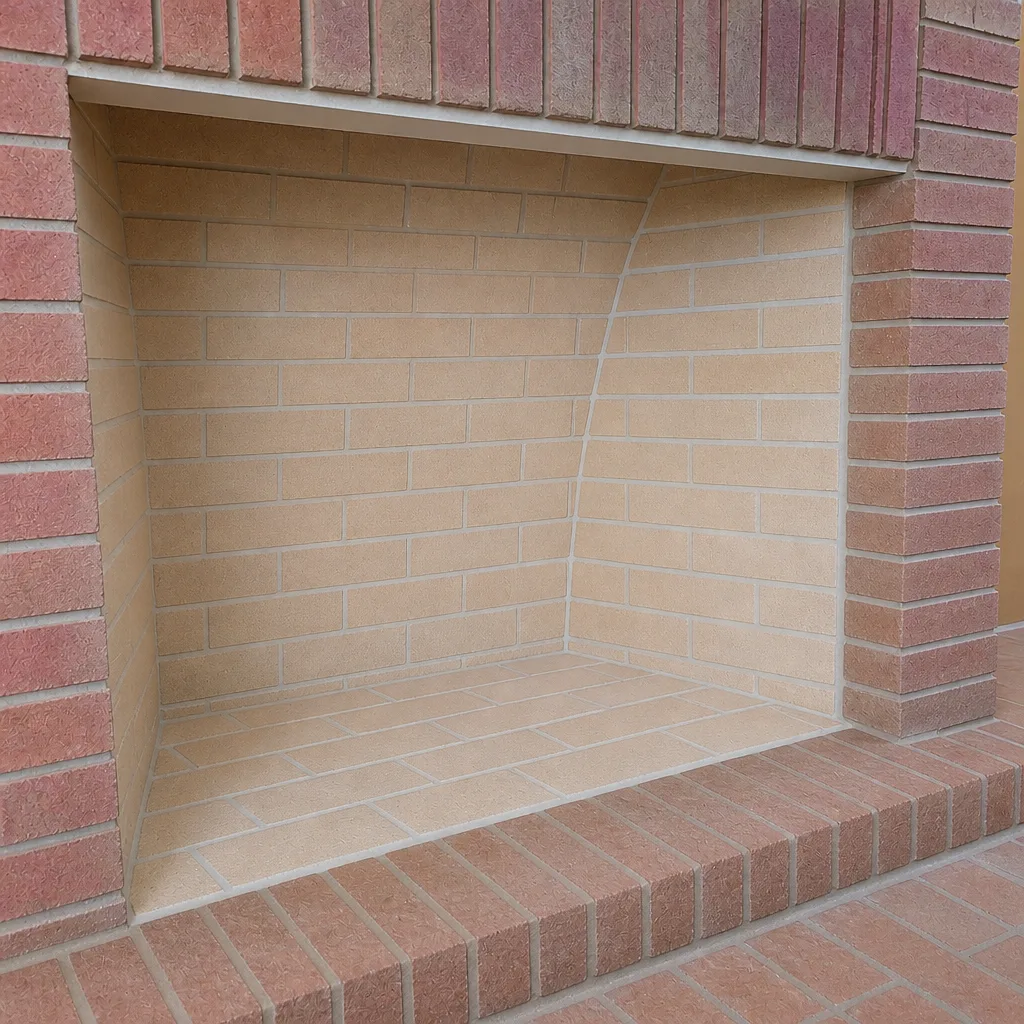
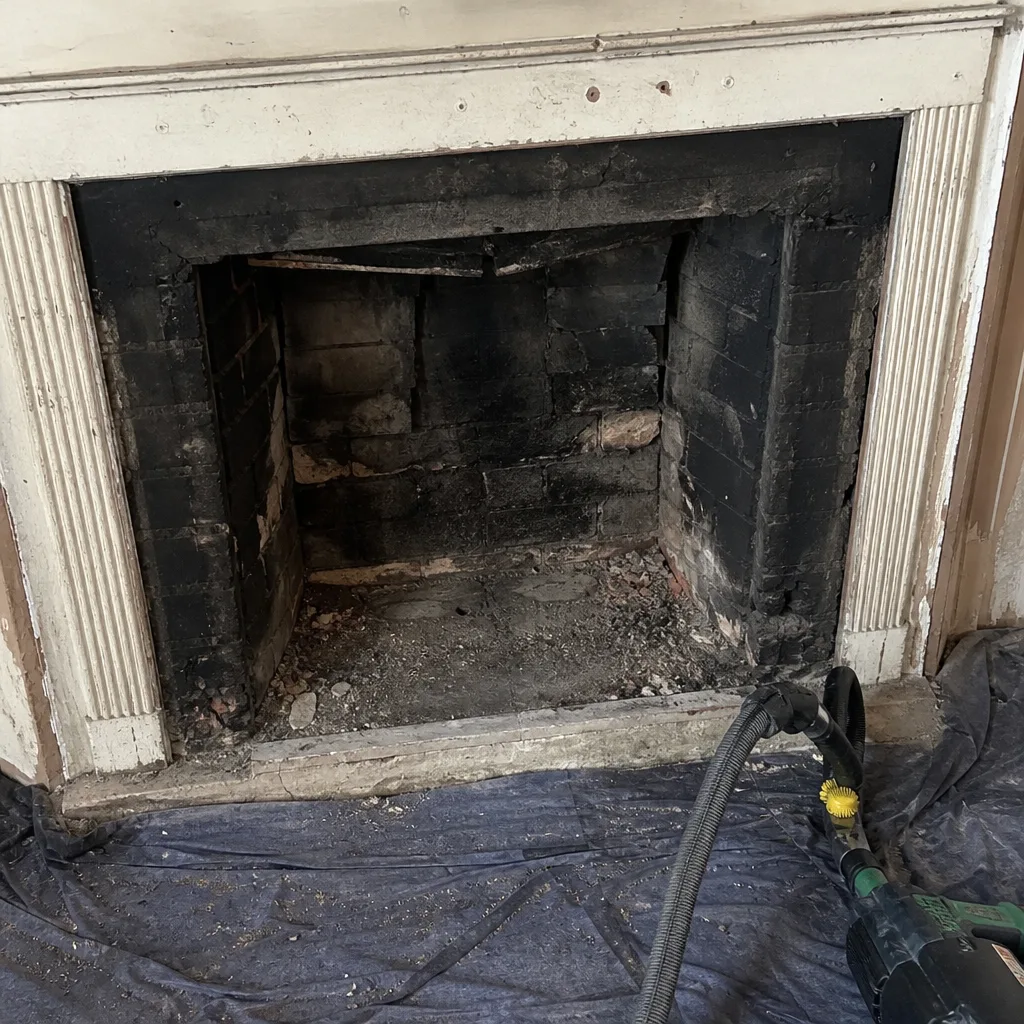
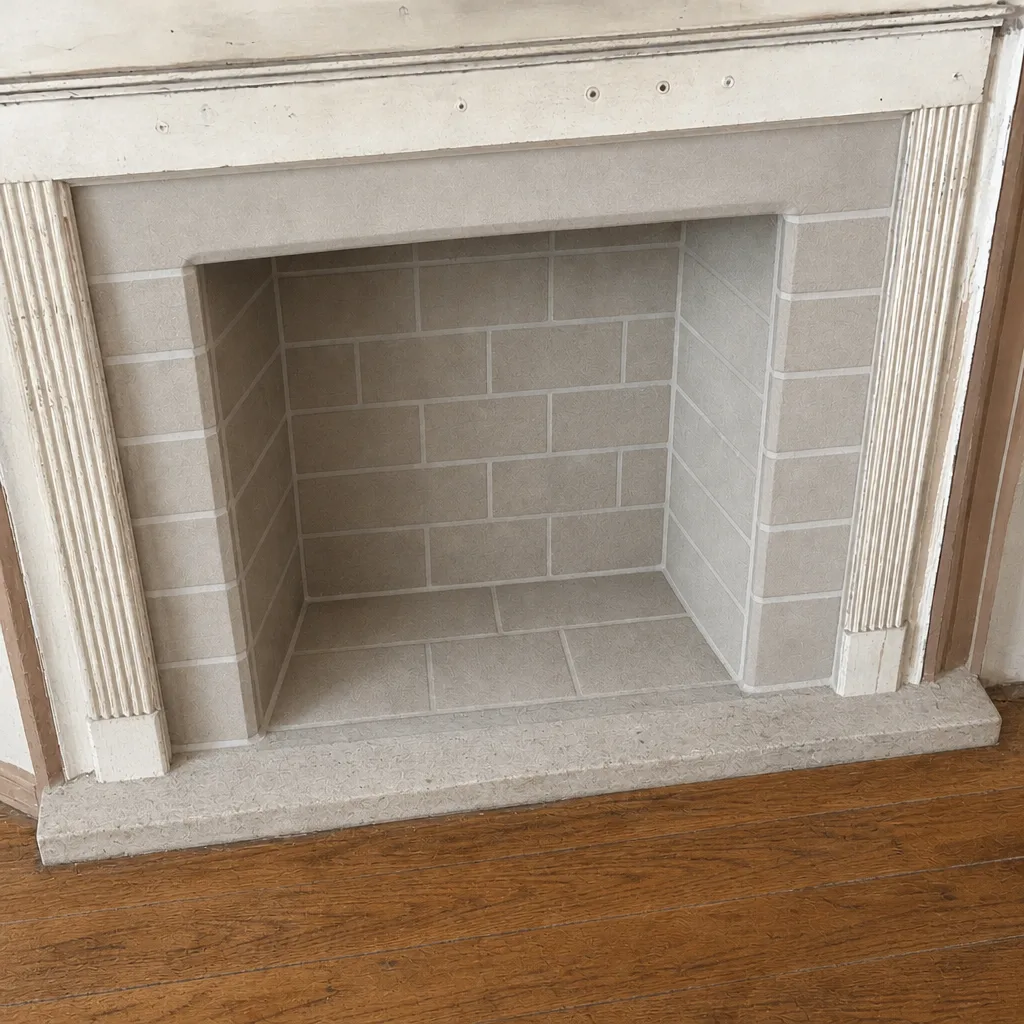
See the difference
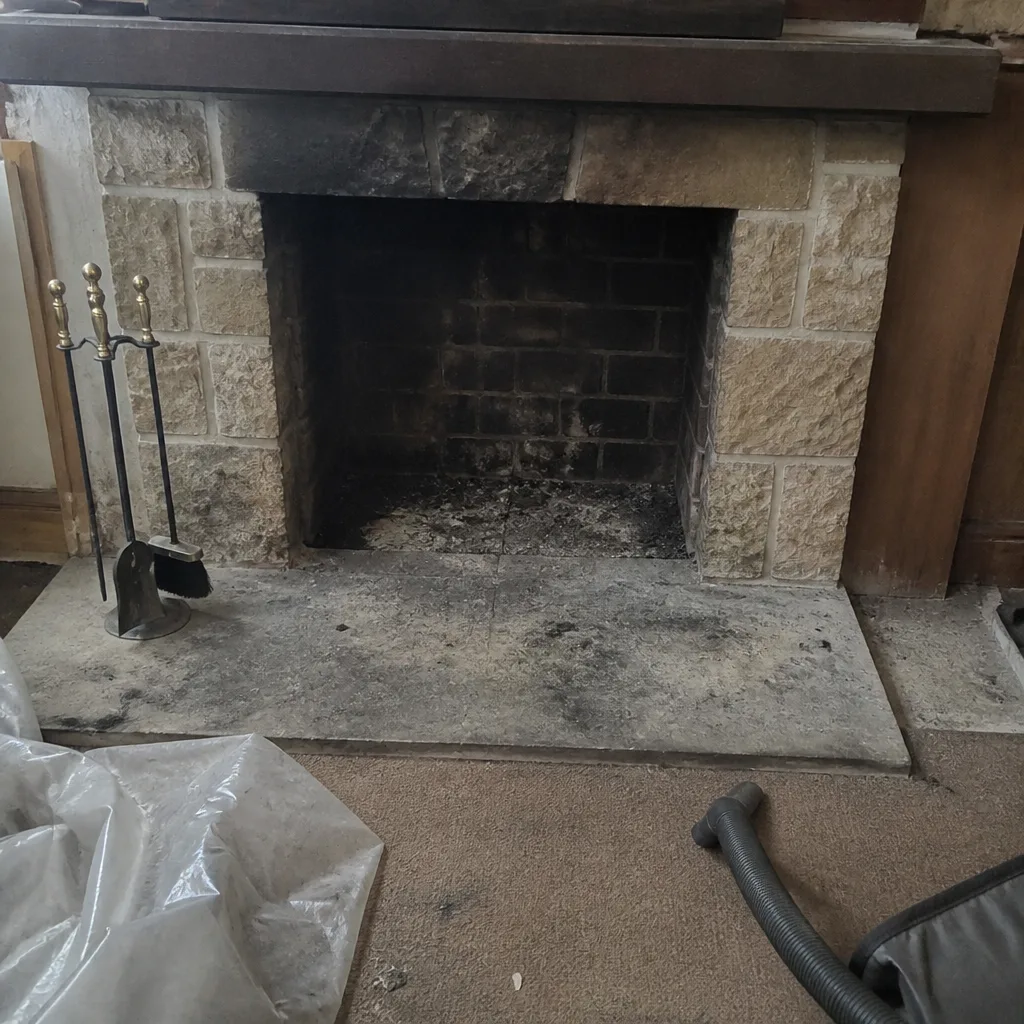 Before
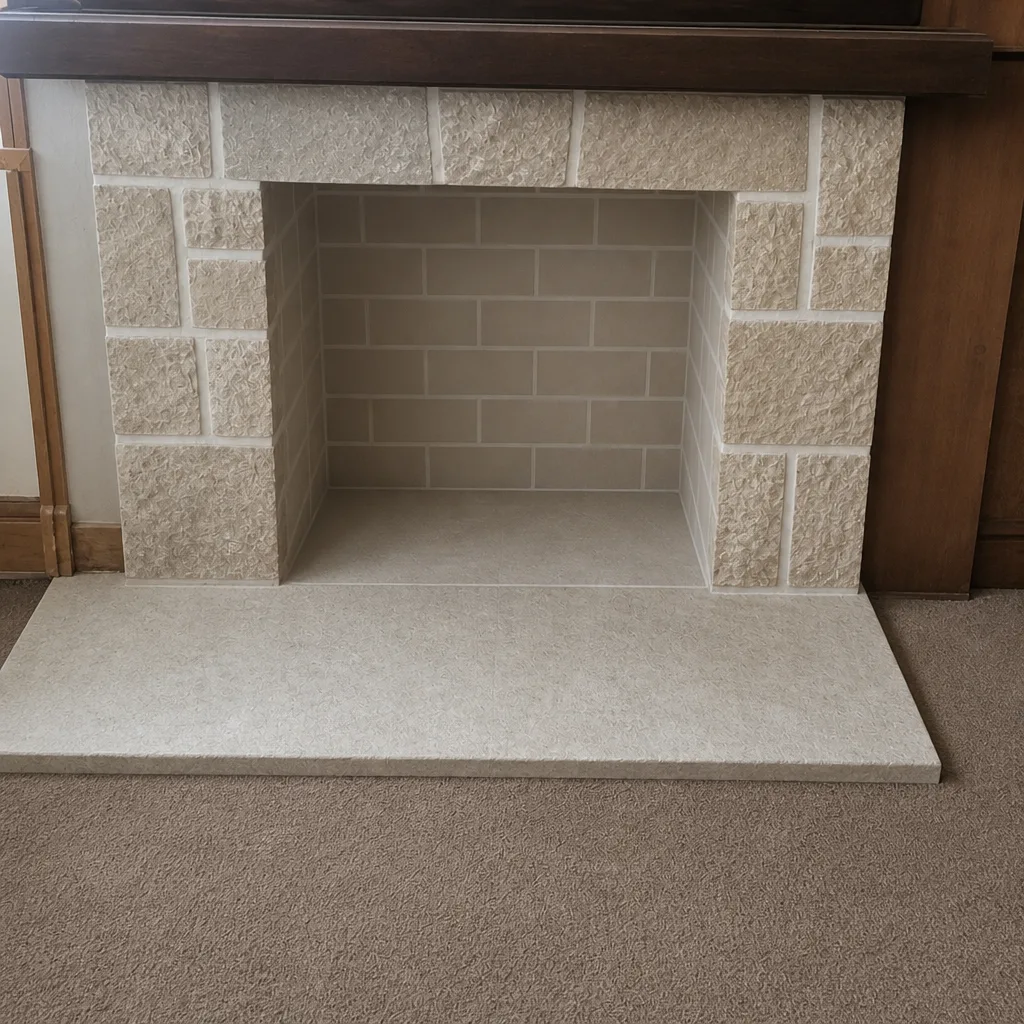 After
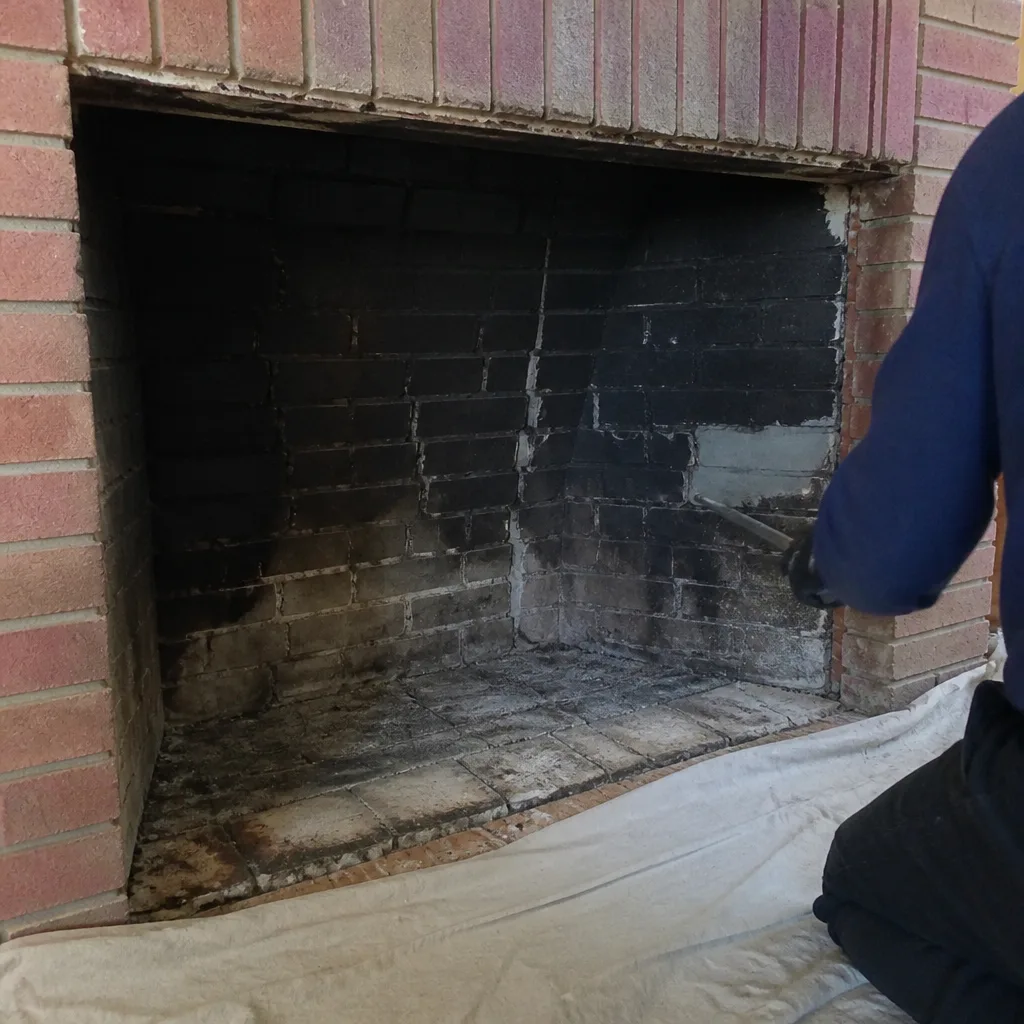 Before
 After
 Before
 After
When to Call a Professional
Call a professional when the flue hasn’t been swept in a year of regular burning, when there’s a smell of wood smoke inside the house while nothing’s burning, or when a draft that used to pull well has gone weak. Call when you see a stain on the wall or ceiling near the chimney, when the crown is visibly cracked or pulling away, or when the cap is missing or damaged. Call before you connect a new stove or insert to a flue that hasn’t been inspected. And call before any repair is booked, because the inspection should come first.
The dangerous parts of this trade – the flue interior, the liner, the firebox – are not a do-it-yourself job. Creosote, carbon monoxide, and masonry that may be structurally compromised are a bad combination for anyone without the training and the equipment. Chimney Sweep Flatbush offers free estimates in Flatbush – call (866) 937-7157. We answer 24/7. Fast dispatch from 7am to 7pm, Sunday through Friday.
Frequently Asked Questions
No. A routine chimney sweep in Flatbush does not require a permit from the NYC Department of Buildings. Sweeping is maintenance, not construction or alteration. If the sweep turns up work that needs to be done – a liner replacement, structural repair, or appliance installation – that repair may need a filed permit, and the filing question should be answered before that work starts. Call (866) 937-7157 for an exact quote – estimates are free.
NFPA 211 is the national standard for how a chimney should be built and maintained; the NYC building code and DOB rules govern permits, filing, and inspections. NFPA 211 tells the technician what “correct” looks like. The NYC code tells the homeowner and contractor what needs to be filed. A properly done job satisfies both. Ask your contractor which standard they’re following and what they’re filing.
It can. Local Law 11 requires periodic inspection of the exterior walls of qualifying buildings, and a chimney stack above the roofline is part of the exterior envelope. The facade inspector may note chimney masonry, a loose crown, or spalling brick in the report. Most Flatbush rowhouses fall below the Local Law 11 threshold, so an independent chimney inspection is the way to document that condition. Call (866) 937-7157 to book one – estimates are free.
A DOB carbon monoxide inspection checks that combustion appliances vent safely and the flue is sound enough to carry exhaust outdoors. It looks at the flue connection, flue condition, draft, clearances, and the termination. In Flatbush, where many homes have both a fireplace and a gas appliance on or near the same flue, that inspection is the safeguard against carbon monoxide backing up into the living space.
Ask for the filing confirmation and confirm it matches the scope of the work. A filed job has a permit application and, once approved, a permit number. Ask whether the completed work will be inspected by the DOB and who will close out the permit. Keep the permit, the inspection record, and the final sign-off. A contractor who won’t answer these questions clearly is telling you something. Call (866) 937-7157 for an exact quote – estimates are free.
Yes. The DOB can issue violations for unsafe conditions, for work done without a required permit, or for a chimney that’s a hazard to the building or its neighbors. On Flatbush rowhouses, a chimney that’s unstable or has pulled away from a shared wall is exactly the kind of thing that draws attention. The permit question is not just paperwork; it’s the record that the work was done correctly. Call (866) 937-7157 to discuss your situation – estimates are free.
The Bottom Line
A chimney sweep in Flatbush is permit-free. Almost everything a sweep uncovers may not be. The line runs between maintenance and alteration, and the NYC Department of Buildings governs the second side of it. NFPA 211 tells you what a correct chimney looks like; NYC codes tell you what has to be filed. Local Law 11 brings the chimney into the facade inspection picture on qualifying buildings, and a DOB carbon monoxide inspection is the safeguard on gas-connected flues. Start with an inspection. Ask the filing question before any repair. Keep the paperwork. That’s the whole discipline, and it holds up at a sale, a refinance, and an insurance claim.
If you need a chimney sweep or an inspection in Flatbush, our team handles the full system – sweep, cap and crown, repair, fireplace repair, and inspection – with an inspection-first approach and no recommendation without evidence you can see. We work with professional-grade brands including Famco, HeatShield, DuraFlex, and Copperfield. Call (866) 937-7157 for a free estimate. We answer 24/7. Fast dispatch from 7am to 7pm, Sunday through Friday. For more on our full range of work, see Chimney Sweep Flatbush.
Written by the team at Chimney Sweep Flatbush.