
Last updated November 22, 2026
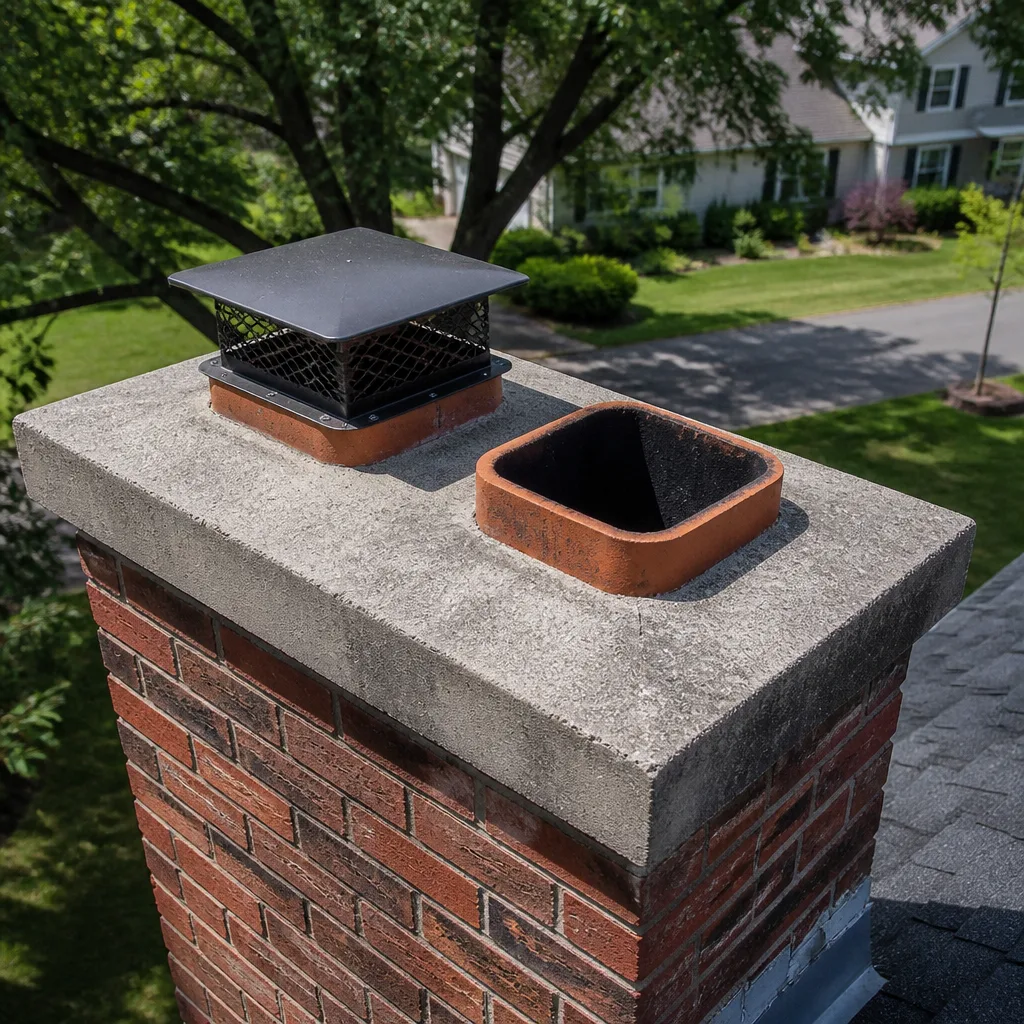 Sweep & inspection
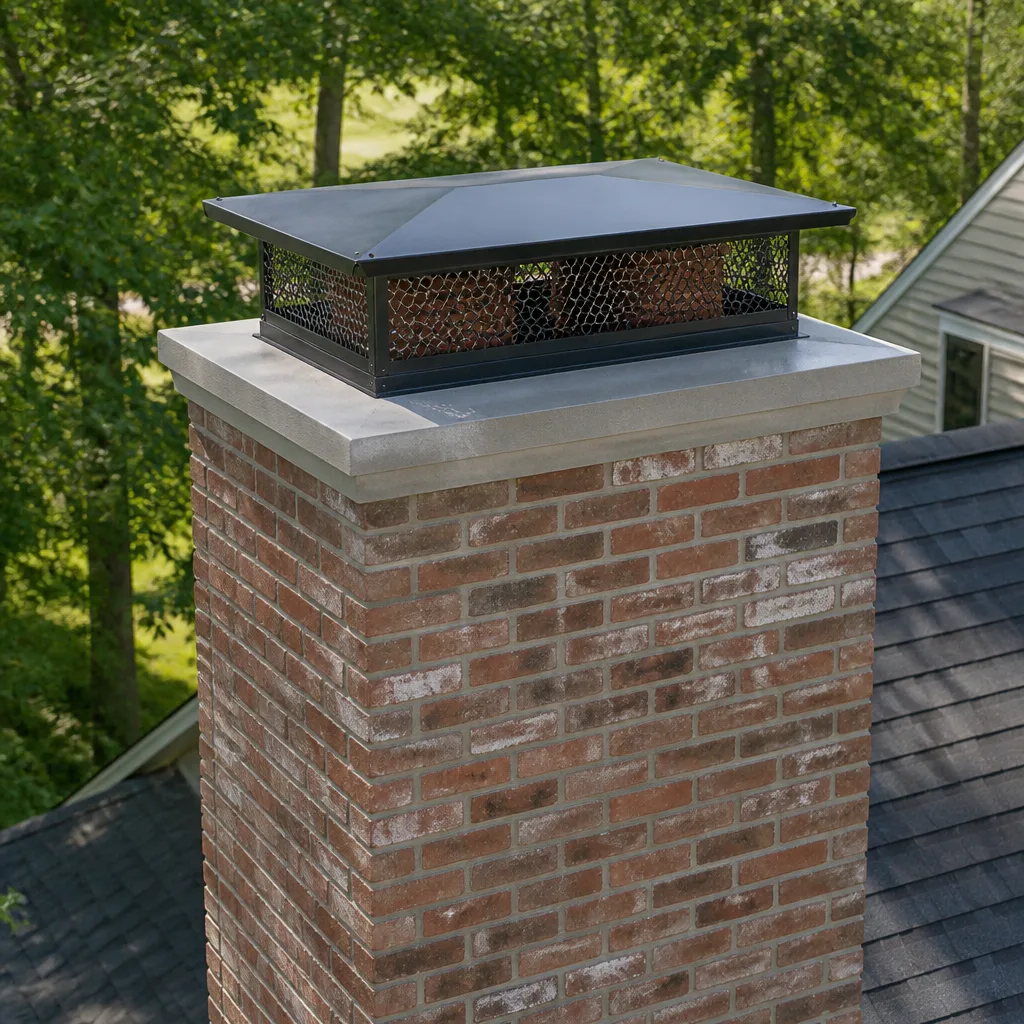 Caps & crowns
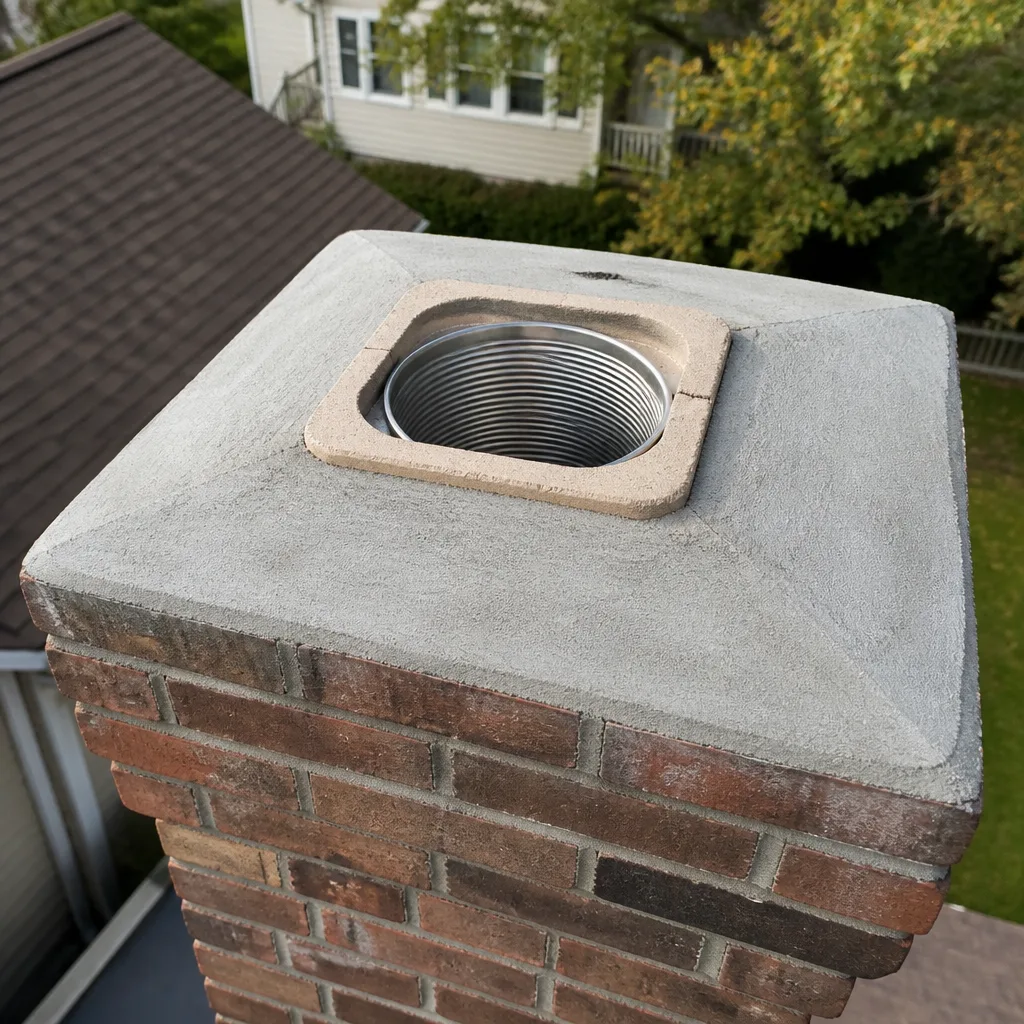 Flue relining
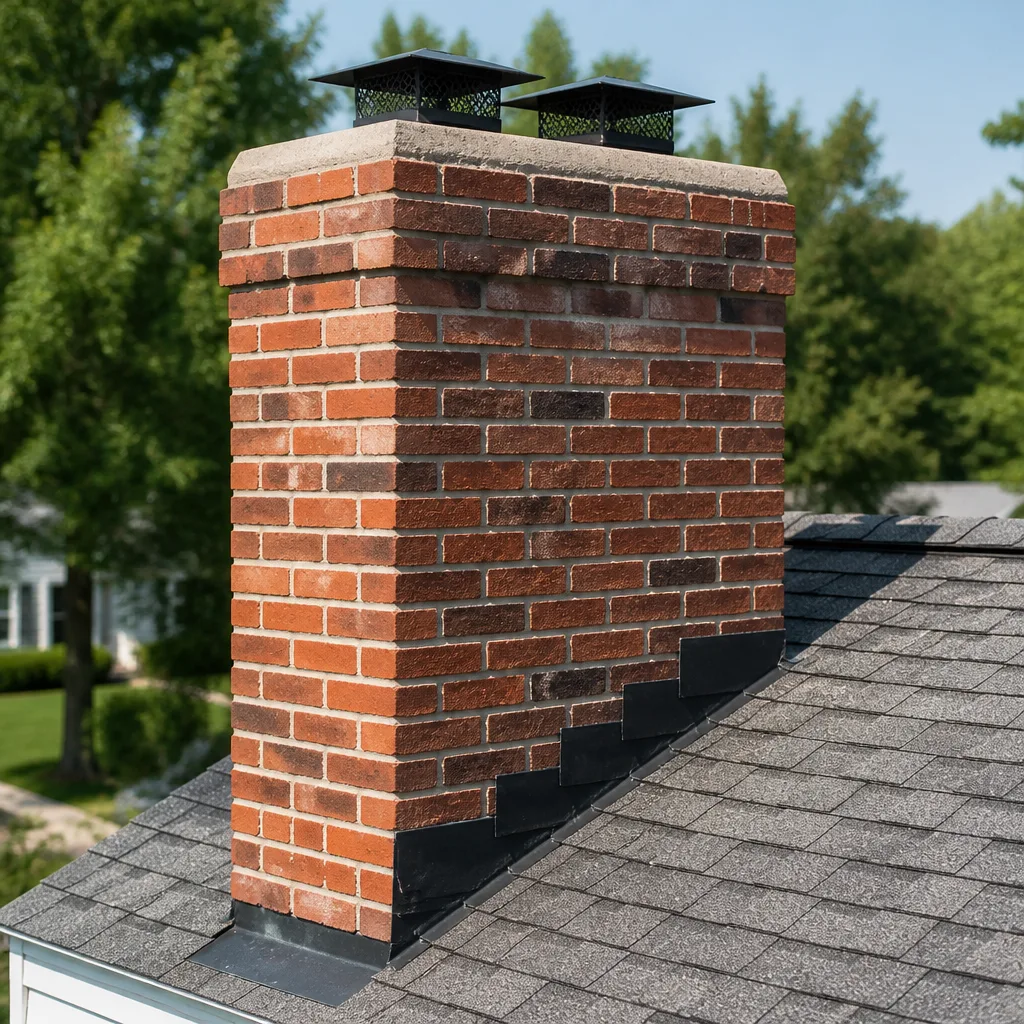 Masonry repair
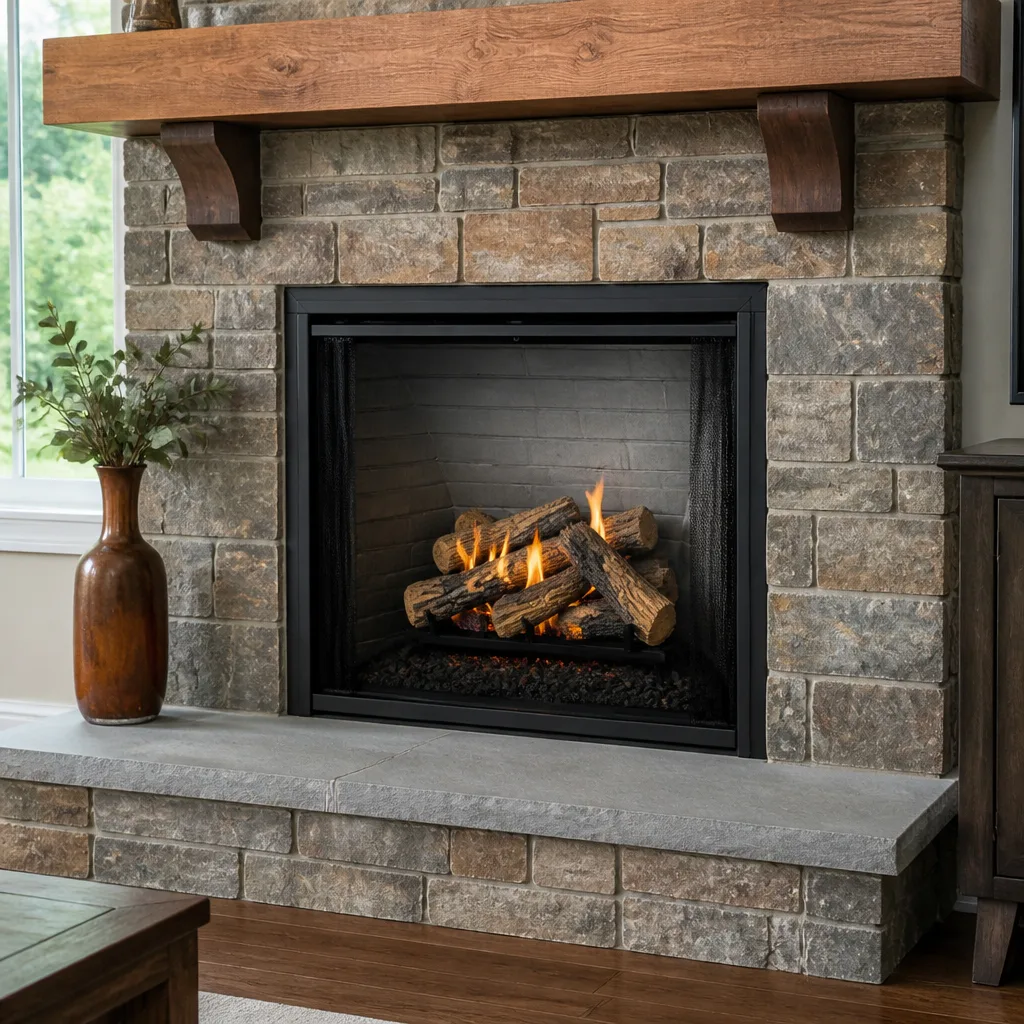 Gas fireplace service
Level 1 sweep and inspection to the NFPA 211 annual standard - flue, crown, cap, and flashing checked and photographed
Chimney sweep logs do not sweep chimneys. They loosen some creosote - which then falls where a brush and vacuum still have to collect it.
Seasonal Chimney Cleaning Care for Flatbush: Year-Round Homeowner’s Guide
The standard advice – clean your chimney in fall before heating season – was written for detached houses in climates with long, gentle autumns. In Flatbush, heating season can hit hard by mid-October, and that timeline leaves almost no room to deal with what a sweep finds before you actually need the fireplace. A cracked crown spotted in September is a repair you can schedule. The same crack found in November, with the first cold snap already here, becomes a scramble. This guide lays out a year-round rhythm built for Flatbush rowhouses and the compressed heating seasons they live with: when to sweep, when to inspect, what to check in summer, and how freeze-thaw cycles quietly damage masonry between December and March.
Quick Answer
For most Flatbush homeowners, the best time to sweep the chimney is late summer, ideally August through September, so any problems a sweep uncovers can be repaired before you need the fireplace in October. A second, often-overlooked inspection window opens in spring, right after heating season ends. Year-round care also means checking the flue for nesting birds and pests in June, watching the crown and mortar for freeze-thaw damage through winter, and understanding how the shared walls of Flatbush rowhouses move moisture into chimney masonry.
Styles & brands we work with
- Sweep & inspection
- Caps & crowns
- Flue relining
- Masonry repair
- Gas fireplace service
Table of Contents
- Why Flatbush Chimney Care Runs on a Different Calendar
- Why Late Summer Is the Right Sweep Window in Flatbush
- The Spring Inspection Window Most Homeowners Skip
- Shared Walls and Moisture in Flatbush Rowhouse Chimneys
- Summer Nesting in Dormant Flues: What to Check in June
- Freeze-Thaw Cycles and Early Crown Damage, December to March
- The Full Chimney System and Why It Matters
- A Year-Round Chimney Checklist for Flatbush Homeowners
Why Flatbush Chimney Care Runs on a Different Calendar
Most chimney guidance assumes a few things that don’t always hold in Flatbush. It assumes a detached house with its own roof and gutters, a long fall with mild weeks you can use for maintenance, and a chimney that dries out on all four sides. Flatbush rowhouses break all three assumptions. Chimneys are often shared or tightly packed against neighboring walls. Roof access is limited, and in many buildings the chimney is reached from a flat roof or through a hatch rather than by walking a pitched roof. And the heating season can start abruptly, which compresses the window you have to fix anything a sweep turns up.
There’s a second factor: Flatbush’s housing stock is old and varied. A single block can hold brick rowhouses from different eras, some with clay tile liners, some relined, some with masonry that has absorbed decades of moisture. That variety means seasonal care can’t be one-size-fits-all. Two houses side by side may need entirely different schedules. We inspect before we recommend anything, because the building tells you what it needs – not a generic calendar.
The practical result is that Flatbush homeowners benefit from thinking about the chimney in four seasons rather than one. Each season exposes a different part of the system to stress, and each gives you a different kind of information about how the chimney is holding up.
Why Late Summer Is the Right Sweep Window in Flatbush
August and September are the optimal months to sweep a chimney in Flatbush, because they leave enough runway to repair whatever the sweep finds before the fireplace is back in daily use. Wait until October and you’re racing the first cold snap. A sweep in late summer gives you time to schedule a crown repair, a cap install, or liner work without pressure.
Here’s why the timing matters so much in this neighborhood specifically:
- Heating season starts early. In Flatbush, the first sustained cold can arrive by mid-October. That’s weeks earlier than the suburban calendars most online guides assume.
- Scheduling is calmer. Late summer is quieter than the October rush, when everyone suddenly remembers the fireplace. Booking in August or early September means the work gets done on your schedule.
- Repairs can be sequenced. If a sweep turns up a cracked crown or a failing cap, you have time to plan the repair – and to get a documented inspection if you want a second opinion before committing.
- You see the chimney in dry conditions. Late summer lets a technician assess masonry that isn’t yet wet from fall rain, which makes early moisture problems easier to spot.
A chimney sweep in late summer isn’t just about cleaning out creosote. It’s the annual health check that tells you what the rest of the year needs. If you’ve been meaning to book one, the late-summer window is the one to aim for.
The Spring Inspection Window Most Homeowners Skip
Spring is the second inspection window, and it’s the one most Flatbush homeowners overlook. Once heating season ends, usually by April, the chimney has just been through months of heavy use. That’s the moment to check for what the winter did – cracks that opened, mortar that loosened, a cap that shifted, or creosote that built up more than expected.
A spring inspection catches problems while they’re small. A hairline crack in the crown in April is a straightforward repair. The same crack, fed by summer rain and another winter of freeze-thaw, can turn into a masonry job by the following spring.
Here’s how we think about the spring window:
- Book the inspection after the last fire of the season. Once you stop using the fireplace for the year, the chimney is due for a look.
- Ask for a documented assessment. A proper inspection records what was found so you can compare year to year. This is why we offer inspection as a standalone service – you get the findings before deciding on any repair.
- Separate cleaning from repair. A spring visit can tell you whether a sweep is needed and whether repairs can wait until the late-summer window, when scheduling is easier.
- Note anything that changed over winter. New staining on the chimney breast, a draft that wasn’t there before, or crumbling mortar at the roofline are all worth flagging to the technician.
Spring inspection and fall sweeping aren’t redundant. They catch different problems, and together they give you a full picture of the chimney’s condition across the year.
Shared Walls and Moisture in Flatbush Rowhouse Chimneys
Flatbush rowhouses share walls, and that changes how moisture moves through chimney masonry. In a freestanding house, a chimney dries from all sides. In a rowhouse, one or more faces of the chimney are against a neighboring wall, so it can’t dry the same way. Moisture that gets into the masonry has fewer places to escape, and it lingers.
That matters because water is the main long-term enemy of a brick chimney. It gets in through a cracked crown, a missing cap, or deteriorated mortar joints, and once inside it causes spalling brick, crumbling mortar, and rusted or degraded liner components. In a shared-wall rowhouse, that moisture has less opportunity to evaporate, so the damage can progress faster and show up in places you might not expect.
What we look for in Flatbush rowhouse chimneys:
- Efflorescence. White, powdery staining on the brick is a sign moisture is moving through the masonry and evaporating at the surface.
- Spalling. Brick faces flaking or popping off, which happens when trapped moisture freezes and expands.
- Crumbling mortar joints. Soft or receding mortar, especially on the side of the chimney against a neighboring wall.
- Interior staining. Damp patches on the chimney breast inside the home can point to moisture entering from above.
A properly fitted cap and a sound crown are the first line of defense, because they keep rain out of the flue and off the top of the masonry. We fit caps from manufacturers like Famco, built to the maker’s weatherproofing spec, so the top of the chimney sheds water the way it should. For the crown and the cap together, our chimney cap & crown work is where most moisture problems get shut down.
Summer Nesting in Dormant Flues: What to Check in June
In summer, a chimney that isn’t in use is an open, sheltered, warm-weather cavity – and birds, squirrels, and insects treat it as prime real estate. In Flatbush, where chimneys are close together and often un-capped, summer nesting is common. A flue blocked by a nest is a serious problem: it restricts draft and, if the fireplace is lit before the nest is cleared, it can push smoke and carbon monoxide back into the home.
June is a good month to check. The flue has been dormant since spring, nesting season is in full swing, and any blockage has had time to build up. A quick look from the firebox up the flue, plus a look at the chimney top if you have safe access, will tell you whether something has moved in.
What a chimney cap does and doesn’t prevent:
- A cap prevents: rain and snow from entering the flue, and most birds and larger animals from nesting inside it. A properly sized cap with a mesh screen is the main defense.
- A cap doesn’t prevent: small insects from getting in, and it doesn’t stop nesting on the crown or just outside the flue opening. It also doesn’t fix a cap that’s already loose, rusted, or the wrong size.
- A cap needs to fit right. An undersized or badly fitted cap can shift in wind, and a cap with a damaged screen lets birds through.
If your chimney has no cap, or the cap is damaged, June is the moment to fix it – before the nest is built, not after. We install caps from Famco and Gelco, sized to the flue and built to keep weather and wildlife out.
Freeze-Thaw Cycles and Early Crown Damage, December to March
Between December and March, Flatbush chimneys go through repeated freeze-thaw cycles. Water gets into small cracks in the crown or mortar during a mild day, freezes overnight, expands, and widens the crack. Repeat that dozens of times over a winter, and a hairline crack becomes a real opening. This is the season when crown and mortar damage accelerates fastest, and it’s also the season when it’s hardest to spot from the ground.
Early-warning signs to watch for through the winter:
- Crumbling or flaking at the chimney top. If you can see the crown from a window or the roof edge, look for pieces spalling off.
- White staining spreading down the brick. Efflorescence getting worse over the winter points to active moisture movement.
- Damp patches on the chimney breast indoors. A new damp spot mid-winter is worth checking.
- Loose mortar at the roofline. Falling grit or soft mortar at the top of the chimney is a warning sign.
- A draft that’s worse than last year. Changes in how the chimney draws can indicate a crack or a blockage.
The best defense is a sound crown going into winter. A crown that’s cracked or missing lets water straight into the top of the masonry, where freeze-thaw does its worst work. If your crown is in poor shape, repairing it before the cold sets in is far cheaper than dealing with the masonry damage it causes. That’s why crown work fits naturally into the late-summer window – it’s the repair that protects the chimney all winter.
The Full Chimney System and Why It Matters
A chimney isn’t one component; it’s a system. The firebox, the smoke chamber, the flue and liner, the crown, and the cap all work together, and a problem in one place stresses the others. A cracked crown lets water into the masonry, which damages the liner. A missing cap lets birds nest in the flue, which restricts draft. A failing liner lets heat and creosote reach the structure of the house. Seasonal care means looking at the whole system, not just the flue.
That’s the approach we take. We handle the full chimney from firebox to cap, which means a technician assessing your chimney in Flatbush can tell you how each part is holding up and how they relate. If the liner needs work, we fit DuraFlex flexible liner systems, which allow a correct installation in older or non-standard chimney configurations where a rigid liner physically won’t fit – a real issue in Flatbush’s older rowhouses. Where the liner is structurally sound but worn, we can resurface it with HeatShield rather than replace it outright, a cost-effective option that keeps a usable liner in service.
Having one company for the whole system matters for seasonal care because the seasons don’t isolate problems. A winter inspection that turns up crown damage should also flag the state of the liner and cap, so you’re not fixing one part while another fails. If you need chimney repair, the assessment should cover the whole chimney and the estimate should reflect only what actually needs doing.
A Year-Round Chimney Checklist for Flatbush Homeowners
This is the seasonal rhythm in one place. Treat it as a starting point and adjust for your building – an un-capped chimney or a shared-wall rowhouse will need more attention than a recently relined one.
- Late summer (August-September): Book the annual sweep. Schedule any repairs the sweep uncovers, including crown and cap work, so everything is done before heating season.
- Early fall (October): Before the first fire of the season, do a visual check – cap in place, no visible cracks at the crown, no staining on the chimney breast indoors.
- Winter (December-March): Watch for freeze-thaw warning signs: spalling at the chimney top, spreading efflorescence, new damp patches, loose mortar at the roofline.
- Spring (April): After the last fire, book a post-season inspection. Note anything that changed over winter and ask for a documented assessment.
- Early summer (June): Check the flue for nesting birds and pests, and confirm the cap and screen are intact. Clear any nest before the fireplace is used again.
- Throughout the year: Keep the firebox clear, use dry seasoned wood, and don’t put off a repair the inspection flagged – deferring crown work into winter lets freeze-thaw compound the damage.
Notice that this checklist has two inspection points – late summer and spring – not one. That’s the key difference between Flatbush’s rhythm and the single-fall-clean advice most guides give. The spring inspection tells you what winter did; the late-summer sweep gets you ready for the next heating season. Between them, you’re never more than six months from a professional look at the chimney.
Common Mistakes to Avoid
- Waiting until October to sweep. By then, heating season is here and there’s no time to repair what the sweep finds. Aim for August or September in Flatbush.
- Skipping the spring inspection. The post-season look is the one that catches winter damage while it’s still small. Missing it means problems get a full summer to worsen.
- Assuming a shared-wall chimney dries like a freestanding one. In Flatbush rowhouses, moisture has fewer escape routes. Efflorescence and spalling need checking sooner, not later.
- Leaving the flue uncapped through summer. Birds and pests nest in dormant flues. A properly fitted cap is the seasonal defense, and June is the time to confirm it’s in place.
- Ignoring a cracked crown going into winter. Freeze-thaw between December and March turns small crown cracks into masonry damage. Repair it in late summer, before the cold.
- Treating a sweep as a cleanup rather than a check. The sweep is the annual health check. What matters is what it tells you about the whole system, not just how much soot came out.
- Accepting a repair recommendation without evidence. Any recommendation should come with a documented inspection you can review. If the assessment isn’t clear, ask for it in writing before committing.
See the difference
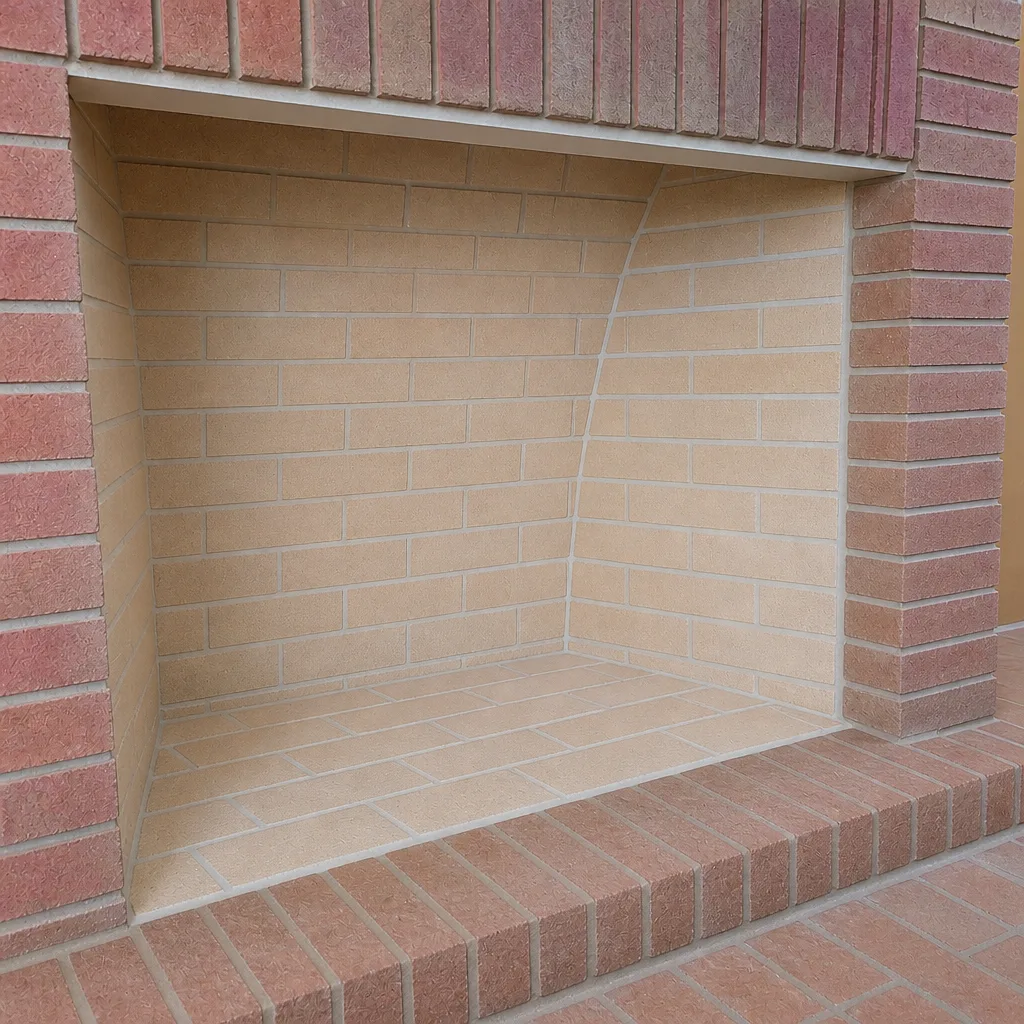
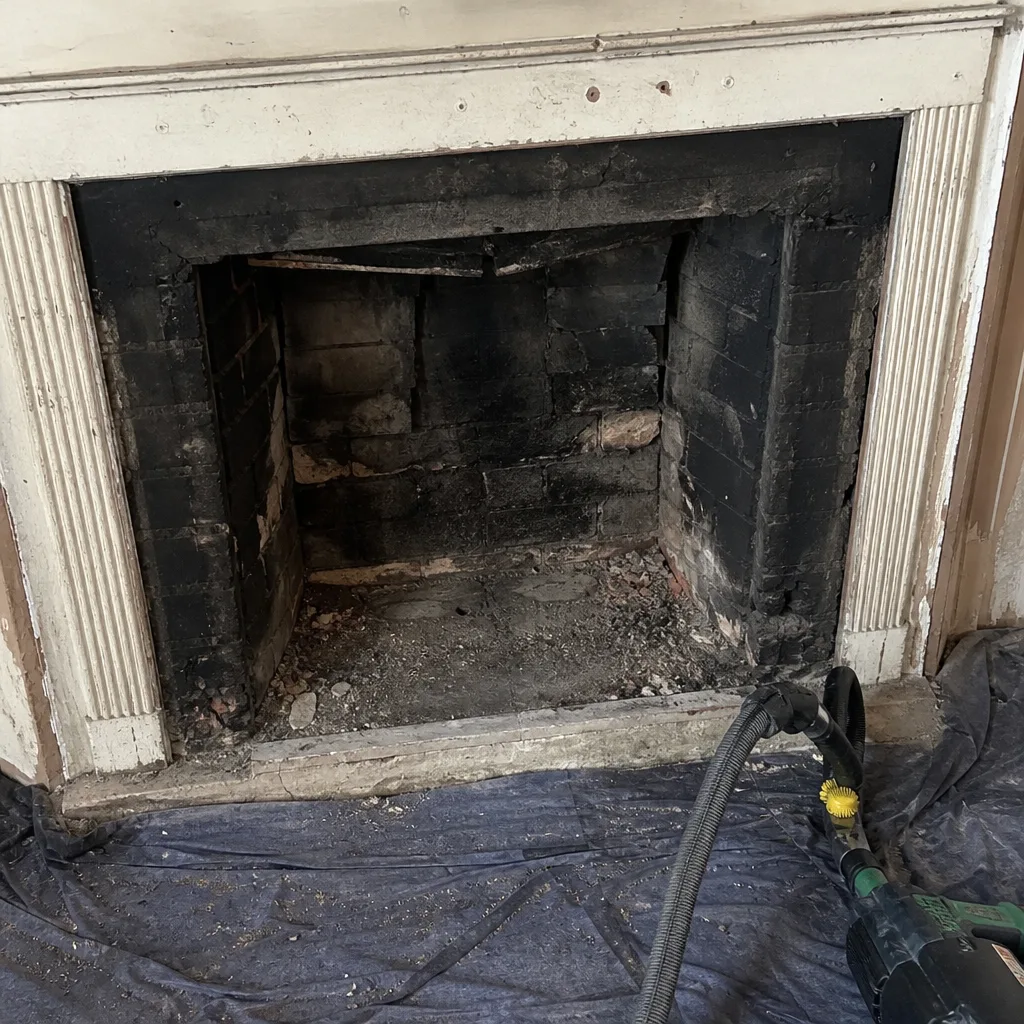
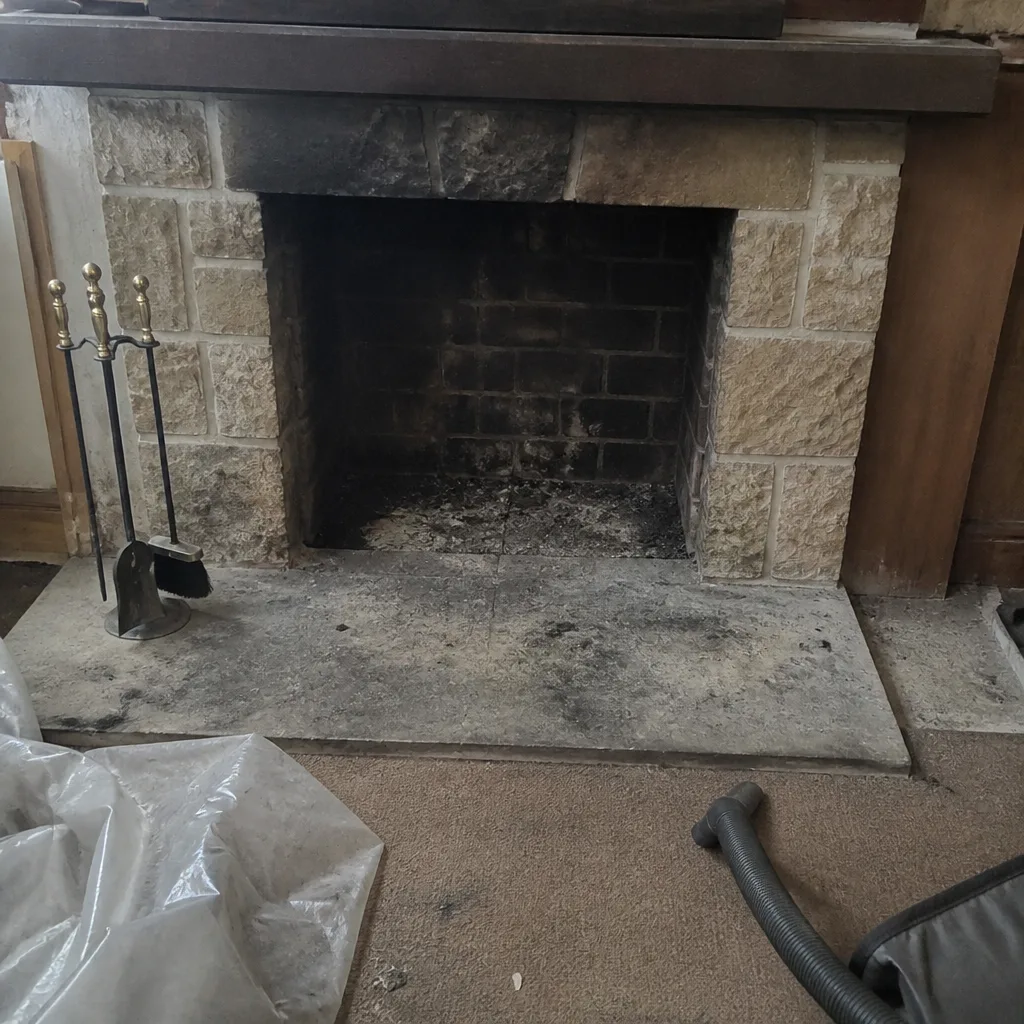 Before
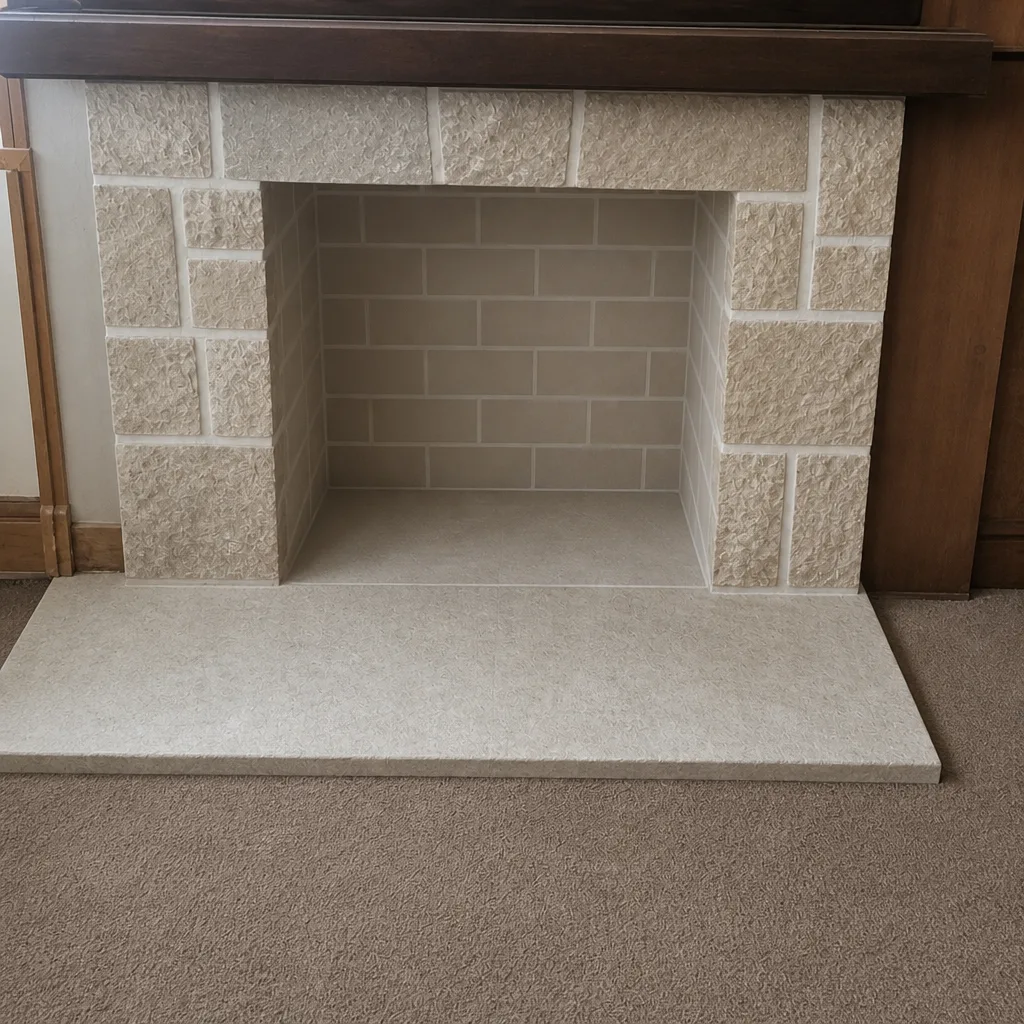 After
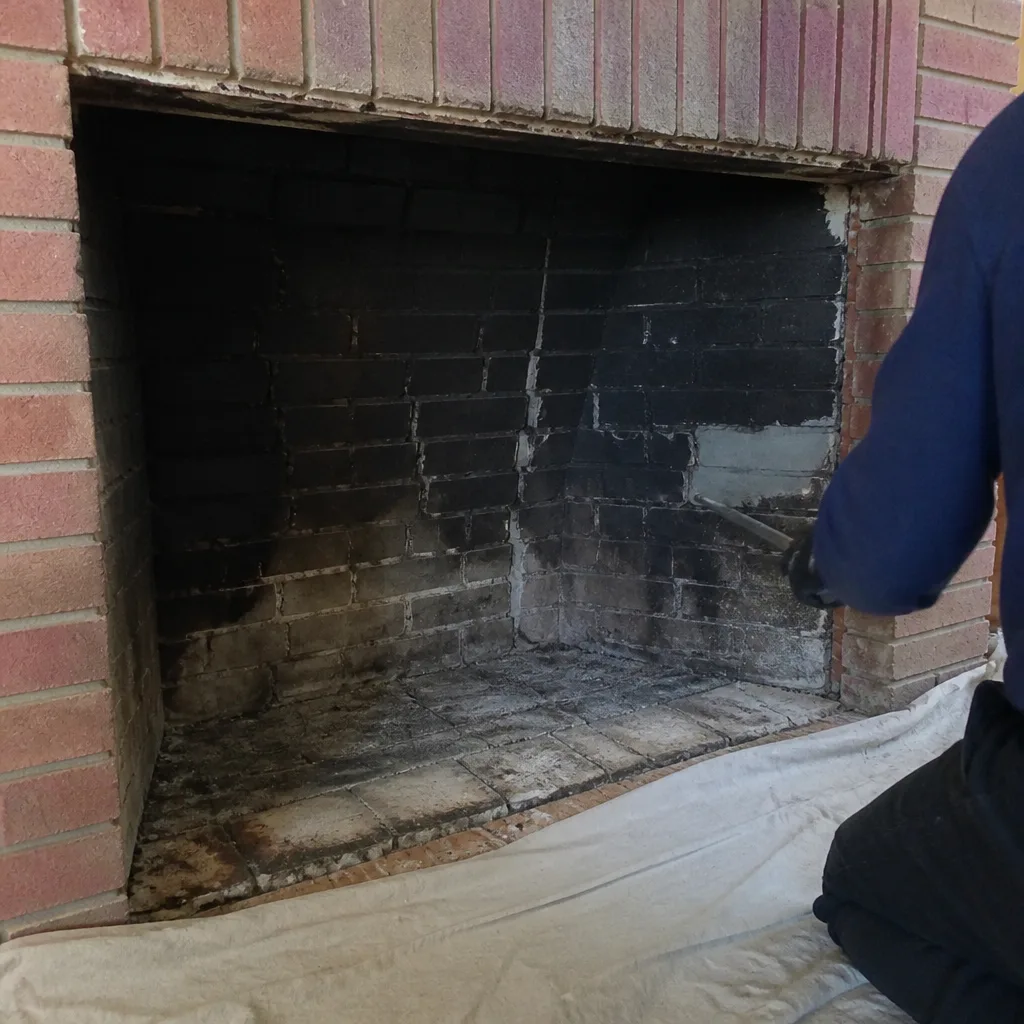 Before
 After
 Before
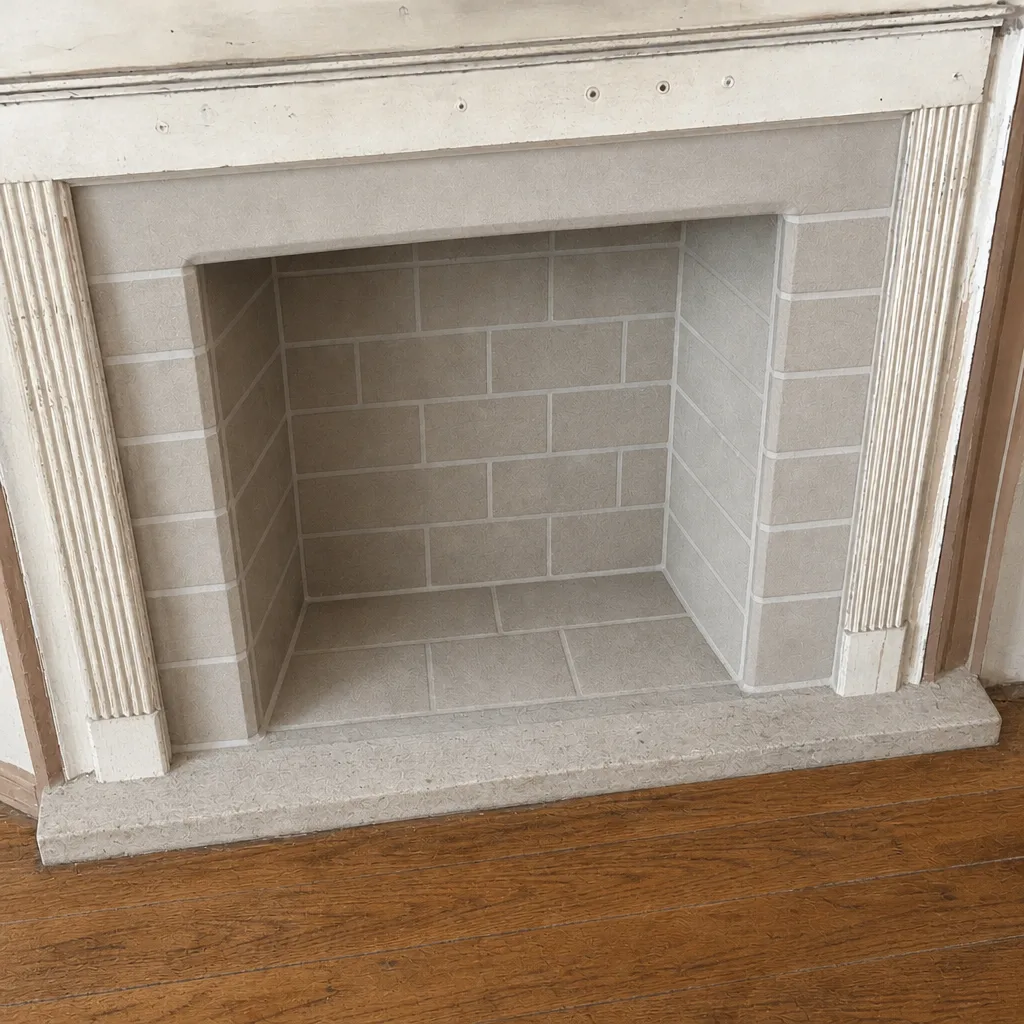 After
When to Call a Professional
Call a professional if your chimney hasn’t been swept or inspected in the past year, if you’ve noticed damp patches on the chimney breast, spalling brick, or crumbling mortar at the chimney top, or if your flue may have been blocked by a summer nest. Call promptly if you smell smoke indoors when the fireplace is lit, if the chimney draws poorly, or if you see staining spreading down the brickwork – these can point to a liner or crown problem that shouldn’t wait. And if you’re unsure whether a repair is really needed, book a standalone inspection first. You get a documented assessment before any work is scheduled.
Chimney Sweep Flatbush offers free estimates in Flatbush. Call (866) 937-7157. We answer 24/7. Fast dispatch from 7am to 7pm, Sunday through Friday.
Frequently Asked Questions
Once a year for most wood-burning fireplaces, with a sweep in late summer so any repairs can be done before heating season. If you burn frequently or use the fireplace as a primary heat source, the annual sweep matters even more. We inspect before we recommend, so the schedule fits your actual use, not a generic rule. Call (866) 937-7157 for an exact quote – estimates are free.
In Flatbush, late summer is the better sweep window, because heating season can start by mid-October and there’s little time left to repair what the sweep finds. Spring is the better inspection window, after the last fire of the season. Do the sweep in late summer and the inspection in spring, and you cover the chimney at both ends of the heating season. Call (866) 937-7157 to book a sweep.
Between December and March, repeated freeze-thaw cycles widen small cracks in the crown and mortar. In shared-wall rowhouses, moisture has fewer ways to escape, so damage can progress faster. Watch for spalling brick, spreading white staining, and new damp patches on the chimney breast. Catching it in spring is far cheaper than repairing it the following year. Call (866) 937-7157 for an inspection.
Yes – a properly fitted cap keeps rain out of the flue and stops most birds and larger animals from nesting in it during summer. It also protects the top of the masonry. A cap doesn’t stop small insects or nesting on the crown itself, so it’s the cap plus a sound crown that does the job. We install caps from Famco and Gelco, sized to the flue. Call (866) 937-7157 for a free estimate.
A blocked flue restricts draft and can push smoke and carbon monoxide back into the home when the fireplace is next lit. Clear any nest before the first fire of the season, and check for nesting in June – it’s the most common month for it in Flatbush. A cap prevents most of it. Call (866) 937-7157 if you suspect a blockage.
The price is set per job by a written estimate, and the estimate is free. What a year of care costs depends on what your chimney actually needs – a sweep, a crown repair, a cap, or liner work – which is why we inspect first and quote only what’s required. Nothing is recommended without camera evidence you can review. Call (866) 937-7157 for an exact quote – estimates are free.
The Bottom Line
Seasonal chimney care in Flatbush runs on a different calendar than most guides assume. The heating season is compressed, the housing stock is older and tighter, and shared walls change how moisture moves through chimney masonry. The rhythm that works is two inspections a year – a late-summer sweep to get ahead of heating season, and a spring inspection to catch what winter did. In between, check for summer nesting in June, watch the crown and mortar for freeze-thaw damage from December to March, and keep a sound cap in place year-round. One company for the full chimney system, from firebox to cap, means nothing gets missed between seasons.
Written by the team at Chimney Sweep Flatbush.
Ready to get your chimney on a Flatbush schedule? Call (866) 937-7157 for a free estimate. We answer 24/7. Fast dispatch from 7am to 7pm, Sunday through Friday.