
Last updated November 22, 2026
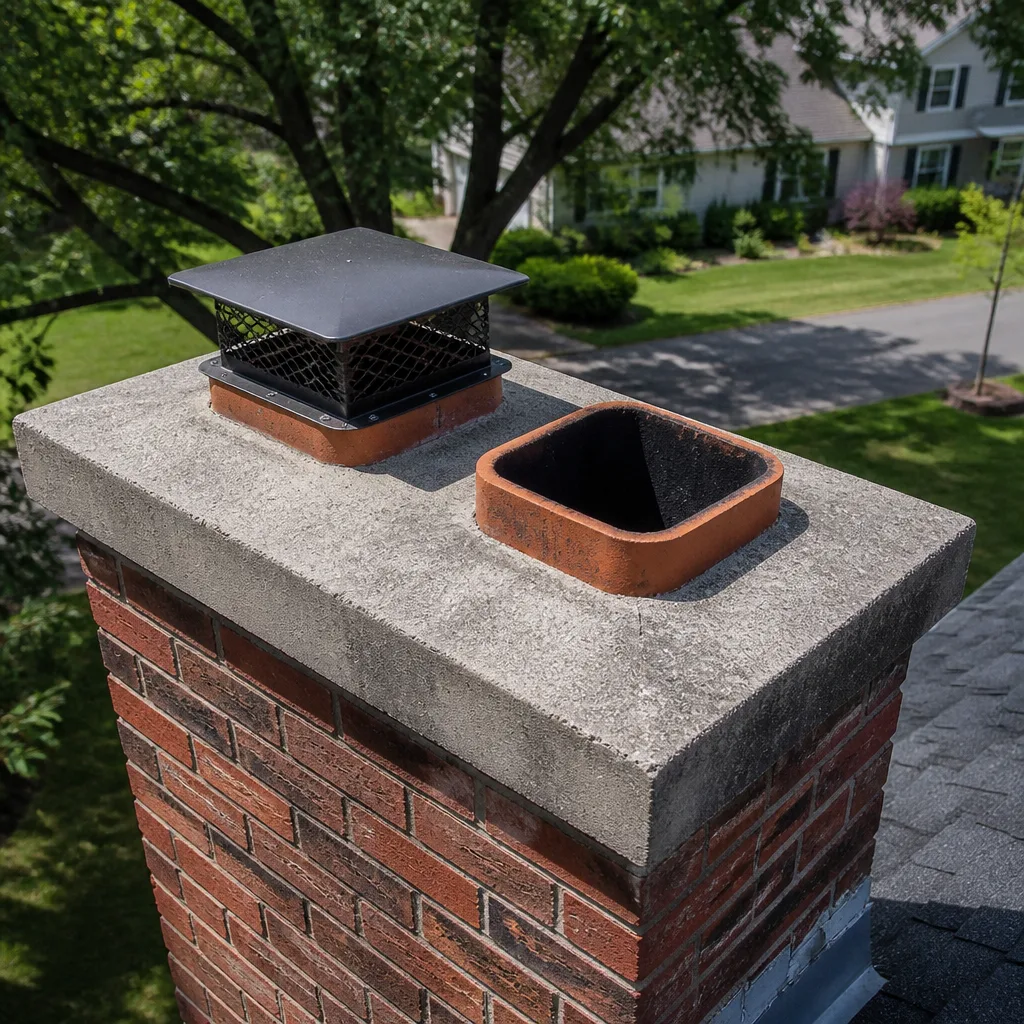 Sweep & inspection
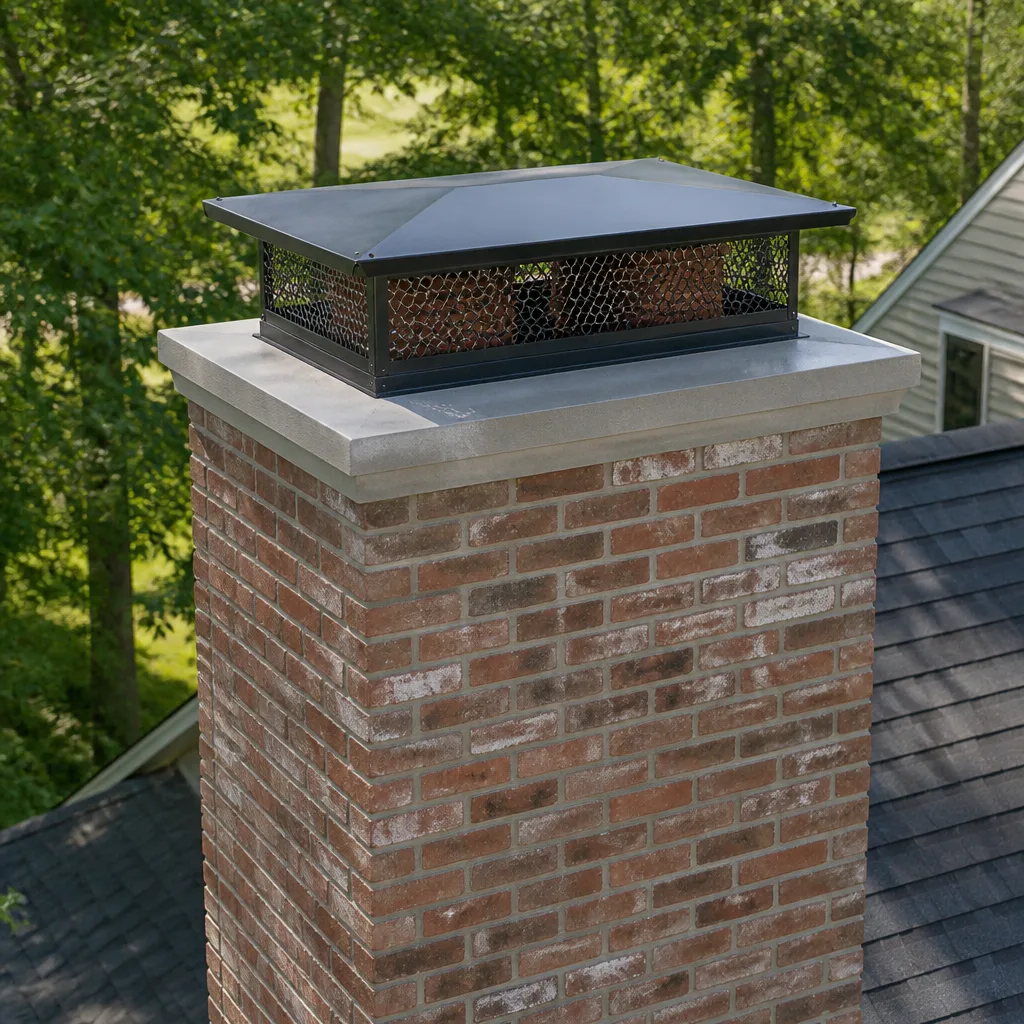 Caps & crowns
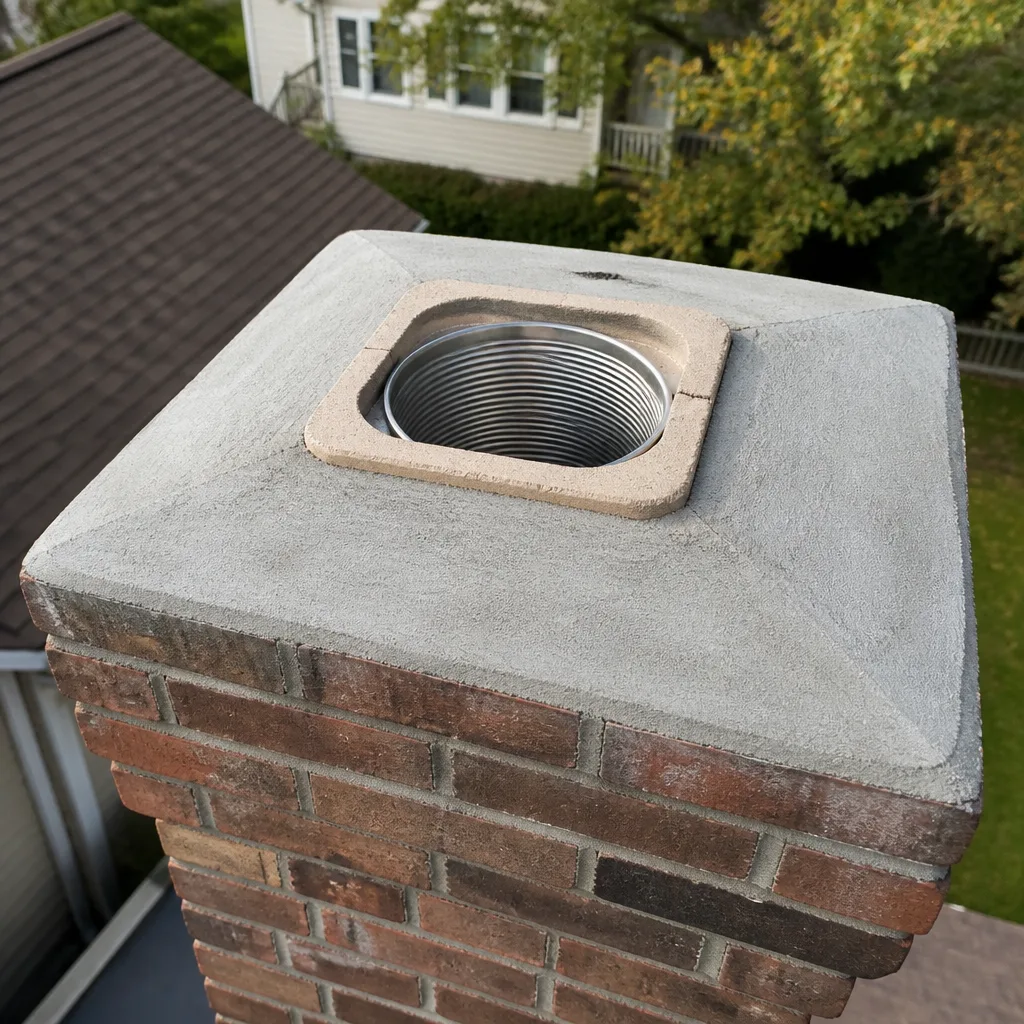 Flue relining
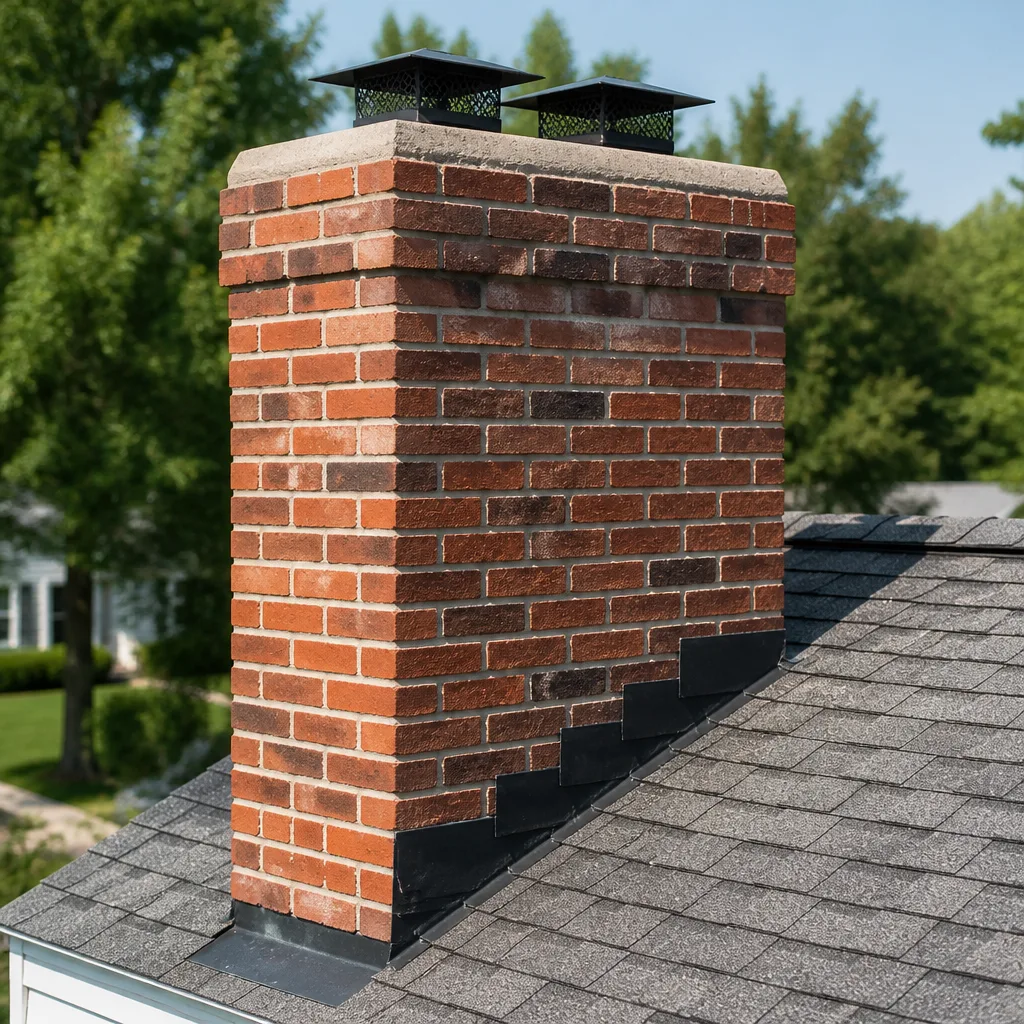 Masonry repair
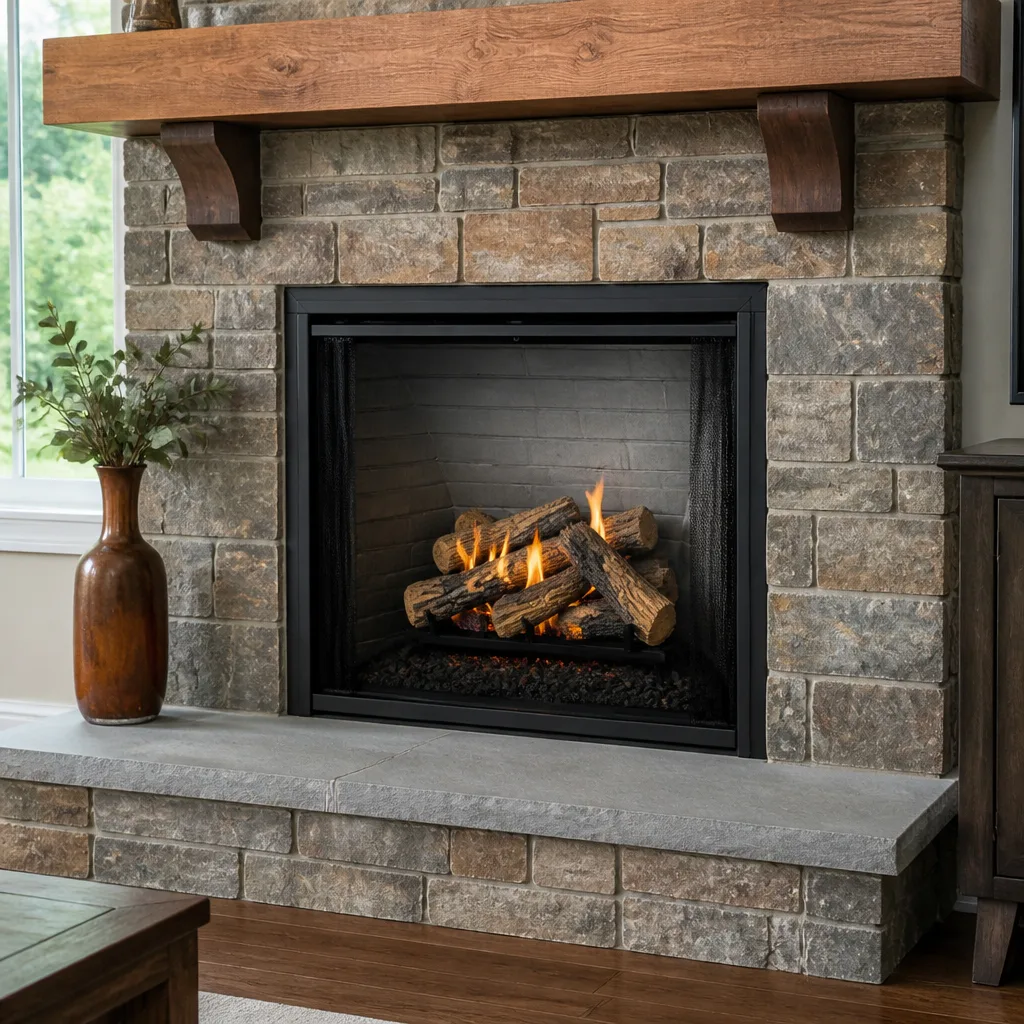 Gas fireplace service
Level 1 sweep and inspection to the NFPA 211 annual standard - flue, crown, cap, and flashing checked and photographed
Chimney sweep logs do not sweep chimneys. They loosen some creosote - which then falls where a brush and vacuum still have to collect it.
Chimney Cleaning Emergency Preparedness Guide for Flatbush Homes
Most chimney safety advice is written for houses that stand alone. Flatbush isn’t that place. Here, a wood-burning flue is often one wall away from a neighbor’s bedroom, and the roof framing above your ceiling may tie directly into the building next door. A chimney fire that starts in your flue doesn’t respect that shared wall. Heat moves through masonry and connected attic cavities. Smoke finds the gaps. This guide is about what to do in the first four minutes, how to tell a structural emergency from a liner problem, what FDNY will ask you, and how to document everything before repairs begin. We’ve put it together from the work we do across Flatbush, and it’s meant to be read before you need it.
Quick Answer
In a confirmed chimney fire in a Flatbush rowhouse, call 911 first, then alert the attached neighbors on both sides before you do anything else, because heat and smoke can travel through shared walls into their units. For a carbon monoxide alarm tied to a solid-fuel flue, get everyone out and call 911 rather than opening windows and waiting. A bulging or separating crown and upper masonry means evacuation now; a damaged liner usually means no more fires until it’s inspected. Either way, a documented inspection before any repair decision is what protects you with your insurer.
Styles & brands we work with
- Sweep & inspection
- Caps & crowns
- Flue relining
- Masonry repair
- Gas fireplace service
Table of Contents
- Why Chimney Emergencies in Flatbush Are Different
- The First Four Minutes of a Chimney Fire
- Carbon Monoxide and Gas-Connected Flues
- Collapse Risk vs. Liner Failure
- What FDNY Needs From You on Arrival
- Post-Emergency Documentation and Insurance
- Your Pre-Season Preparedness Checklist
Why Chimney Emergencies in Flatbush Are Different
Flatbush is dense with attached rowhouse construction, and much of that housing stock is old enough that the chimneys were built for coal or for open wood fireplaces, then adapted over the decades. That adaptation matters. When a flue is relined or a stove is added to an existing chimney, the new system has to fit the old chase. In a freestanding house, a chimney problem stays in one building. In a rowhouse, the chimney stack is part of a shared structural wall.
What that means in practice:
- Heat transfer through shared masonry. A hot flue can warm the mass of a party wall. Even a contained fire inside your flue can raise temperatures on the other side.
- Smoke migration through attic cavities. Roof spaces in attached buildings often connect or sit close enough that smoke pushes into neighboring units.
- Roof-level access problems. A chimney on a rowhouse may be reachable only from a shared roof or over a neighbor’s section, which affects how fast a technician can get to it.
- Different code history. Older Flatbush buildings predate modern liner standards. What’s inside your chase may not match what the exterior brick suggests.
This is the neighbor dimension most preparedness guides skip. Your chimney emergency is potentially your neighbor’s emergency, and the reverse is also true. When you plan for fire safety in Flatbush, plan for the building, not just the unit.
The First Four Minutes of a Chimney Fire
A chimney fire often announces itself with a low roar, a vibration in the flue, or dark smoke and a hot smell from the fireplace opening. Once you’re confident it’s a fire, the sequence below is what we’d want any homeowner to follow. It is not a substitute for the fire department. It’s the order of operations.
- Call 911. Report a chimney fire in an attached rowhouse. Give the address and say the building is attached on both sides.
- Get people out of your unit. Everyone leaves, including pets. No one stays to watch the flue.
- Alert the attached neighbors on both sides. Knock, ring, call. Tell them there’s a chimney fire and they should be ready to leave. Shared walls are why this step comes before anything else.
- Don’t put water on it. Water on a hot fire in a masonry flue can crack or spall the lining. Let the fire department handle suppression.
- Close the fireplace doors or damper only if you can do it safely and quickly. Starving the fire of air can help, but do not reach into or over a hot firebox.
- Wait outside. Stay off the roof and away from the chimney. Do not try to inspect the flue from above while it’s hot.
That fourth step surprises people. The instinct is to grab a bucket. In our experience, water damage to a hot flue lining creates a second problem on top of the first. Let the trained people make that call. The neighbor notification step is the one that buys the most safety for the least effort, and it’s the one most easily forgotten in the moment.
Carbon Monoxide and Gas-Connected Flues
A carbon monoxide alarm that sounds while a solid-fuel appliance is in use is not the same event as a faulty gas boiler. When a chimney backdrafts, CO that should have gone up the flue comes back into the living space. The appliance may be working perfectly. The problem is the pathway. That distinction changes your response.
For a chimney-related CO event:
- Get everyone outside immediately. Do not open windows to “clear it” and stay put. Opening windows can mask the reading and delay the decision to leave.
- Call 911 from outside. Tell them a CO alarm activated and there is a wood-burning appliance or gas-connected flue in the building.
- Do not relight anything. No fires, no gas appliance use, until the system is inspected.
- Note the conditions. Cold outside, no wind, a recently cleaned flue, a damper position – these details help the technician find the cause.
Why CO from backdrafting is different: with an appliance malfunction, the fix is often at the appliance. With chimney backdrafting, the fix is in the flue, the cap, the crown, or the pressure balance of the building itself. A draft that reverses under certain weather conditions can test fine on a mild day and fail on a cold, still night. That’s why an inspection matters more than a quick test. We inspect before we recommend, and that includes checking draft and the cap.
Carbon monoxide is odorless, which is exactly why this section exists. The alarm is your only warning. Treat it as one.
Collapse Risk vs. Liner Failure
When a chimney looks or sounds wrong, homeowners need to know one thing fast: does this mean get out now, or does this mean no more fires until someone inspects it? Here’s the distinction we use.
Structural collapse risk (evacuation urgency)
- A crown that’s cracked through, separated, or slumping.
- Visible bulging or leaning of the upper stack.
- Spalling brick or large pieces of mortar fallen onto the roof or into the chase.
- Gaps between the chimney and the roofline where it once sat flush.
- Any movement you can see when the wind pushes the stack.
If you see any of these on a Flatbush rowhouse, keep everyone clear of the area below and call for help. Upper masonry that fails can fall onto a shared roof or into a neighbor’s airspace. That’s an evacuation-and-inspection situation, not a wait-and-see.
Liner failure (no immediate evacuation)
- Cracks or gaps in the flue lining found during inspection.
- Flaking or crumbling of a clay tile liner.
- A liner that’s misaligned or too small for the appliance.
- Creosote buildup that’s restricting the flue.
Liner failure is serious, but it’s typically a stop-burning situation, not a leave-the-house situation. No fires until it’s inspected and repaired. The repair path is often a resurfacing with HeatShield, which restores structural integrity inside the existing flue at a fraction of the cost of a full tear-out and reline. When the chase is irregular or older than rigid liners were designed for, a DuraFlex flexible liner system gets a correct fit into a space where rigid systems can’t go.
If you can’t tell which category you’re in, that’s normal. That’s why a standalone inspection exists. The chimney repair scope covers everything from the crown down to the firebox, and the inspection documents which issue you actually have.
What FDNY Needs From You on Arrival
When FDNY arrives at a Flatbush rowhouse chimney fire, the first few questions will be about the building and the appliance. Having this ready, or written down on a card near the fireplace, saves time and helps them plan. It also tells them whether the neighboring units are at risk.
Have these answers ready:
- Appliance type. Open wood fireplace, wood stove insert, or solid-fuel boiler.
- Fuel source. Wood, coal, or a gas-connected line adjacent to the flue.
- Liner material. Clay tile, stainless, or resurfaced with HeatShield. If you don’t know, say so.
- Last service date. When the flue was last swept and inspected.
- Building configuration. Attached on both sides, attached on one side, or detached.
- Neighbor status. Who you’ve already alerted, and whether anyone is home next door.
Write this list on a card and keep it in a drawer near the fireplace. A firefighter working a shared-wall fire will thank you, and so will your neighbors. We’ve helped homeowners assemble these cards during inspections, and it’s one of the simplest preparedness steps you can take.
Post-Emergency Documentation and Insurance
After the fire department has cleared the scene, the next two weeks determine how smoothly your insurance claim goes. The single biggest mistake is allowing repairs to start before the damage is documented. Photograph everything first, then call us for an inspection that produces a written report.
What to photograph before repairs begin:
- The exterior of the chimney from the roofline down, showing any cracking, spalling, or separation.
- The crown and cap from multiple angles, in daylight.
- The firebox interior and the flue from the top of the fireplace opening.
- The chimney chase inside the attic, if you have access, showing any smoke staining or heat damage to framing.
- Any smoke damage inside the living space – walls, ceilings, and furnishings.
- The shared wall area and neighbor’s affected unit, if smoke traveled next door.
Then get a professional inspection report. A pre-event report, if you have one, is the most valuable document in the file, because it proves the condition of the system before the fire and separates fire damage from pre-existing wear. That’s the reason a standalone inspection is worth doing even on a chimney you think is fine. It’s documentation. It’s also why we offer inspection as a no-commitment service with a written report – so a homeowner has a record of condition on their own timetable, before an event forces the question. When adjusters ask what was already there, you’ll have an answer. The team at Chimney Sweep Flatbush handles these claims inspections with the documentation insurers expect.
Your Pre-Season Preparedness Checklist
Most chimney emergencies are easier to handle when the system is in known condition before the season starts. This is the checklist we’d give any Flatbush homeowner heading into the wood-burning months. None of it is exotic. All of it matters more in an attached building.
- Book a sweep and inspection before first burn. A clean flue burns cleaner and drafts better. The chimney sweep visit is the foundation of everything else on this list.
- Confirm your cap is intact. A missing or damaged cap lets water, animals, and debris into the flue. A properly fitted Famco or Gelco cap is manufacturer-spec weatherproofing, not a generic screen.
- Check the crown. Hairline cracks that spread become structural problems. Crown work is part of the chimney cap & crown scope.
- Test your smoke and CO alarms. Do this before the first fire, not after.
- Write the FDNY card. Appliance type, fuel, liner material, last service date.
- Photograph the chimney now. Baseline photos are worth their weight after an event.
- Talk to your neighbors. Tell the attached households on both sides that you have a wood-burning fireplace and agree to alert each other in an emergency.
- Get an inspection report on file. Standalone, no commitment, documented condition.
That seventh step is the one most Flatbush homeowners haven’t done. In attached housing, your neighbor is part of your chimney safety system whether either of you planned for it. A short conversation before the season costs nothing and does more than any single piece of equipment.
Common Mistakes to Avoid
- Calling 911 but forgetting the neighbors. In a Flatbush rowhouse, the attached units on both sides need to know within the first minute. Shared walls don’t wait.
- Opening windows during a CO alarm and staying put. That’s the response for a burnt dinner. For a solid-fuel flue, it’s the wrong protocol – get out first.
- Putting water on a chimney fire. The instinct is real and the damage to a hot liner is real. Let the fire department suppress it.
- Skipping the pre-event inspection because the chimney “seems fine.” Without a documented baseline, insurance adjusters can’t separate fire damage from wear that was already there.
- Letting a contractor start repairs before photographs. Once a damaged crown is torn down, the evidence of what happened goes with it.
- Assuming a cap is a cap. A hardware-store screen and a manufacturer-spec cap from Famco or Gelco are different products with different jobs. One keeps leaves out. Both keep weather and animals out, and only the right fit does it correctly.
- Treating a leaning stack as cosmetic. Upper masonry that’s moving is a structural collapse risk in an attached building, and it can affect the neighbors’ roof as much as yours.
See the difference
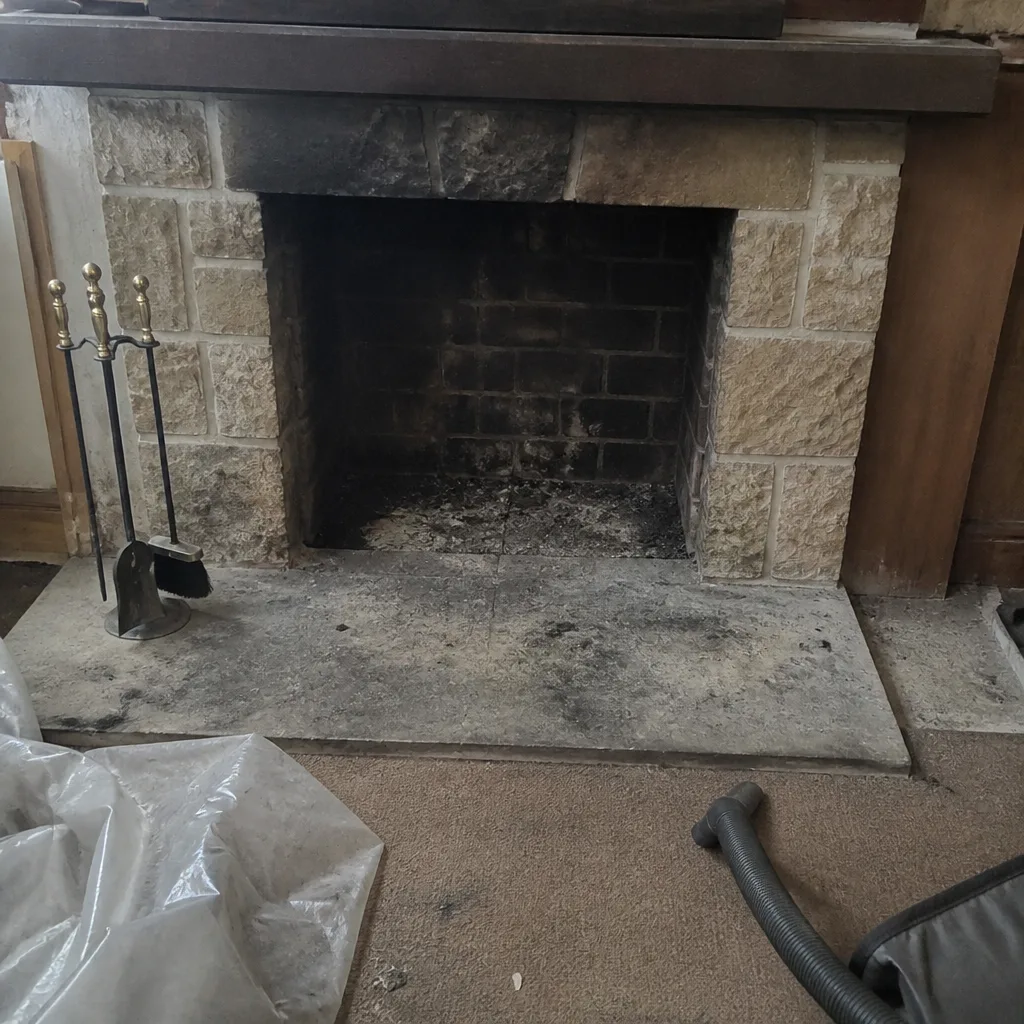 Before
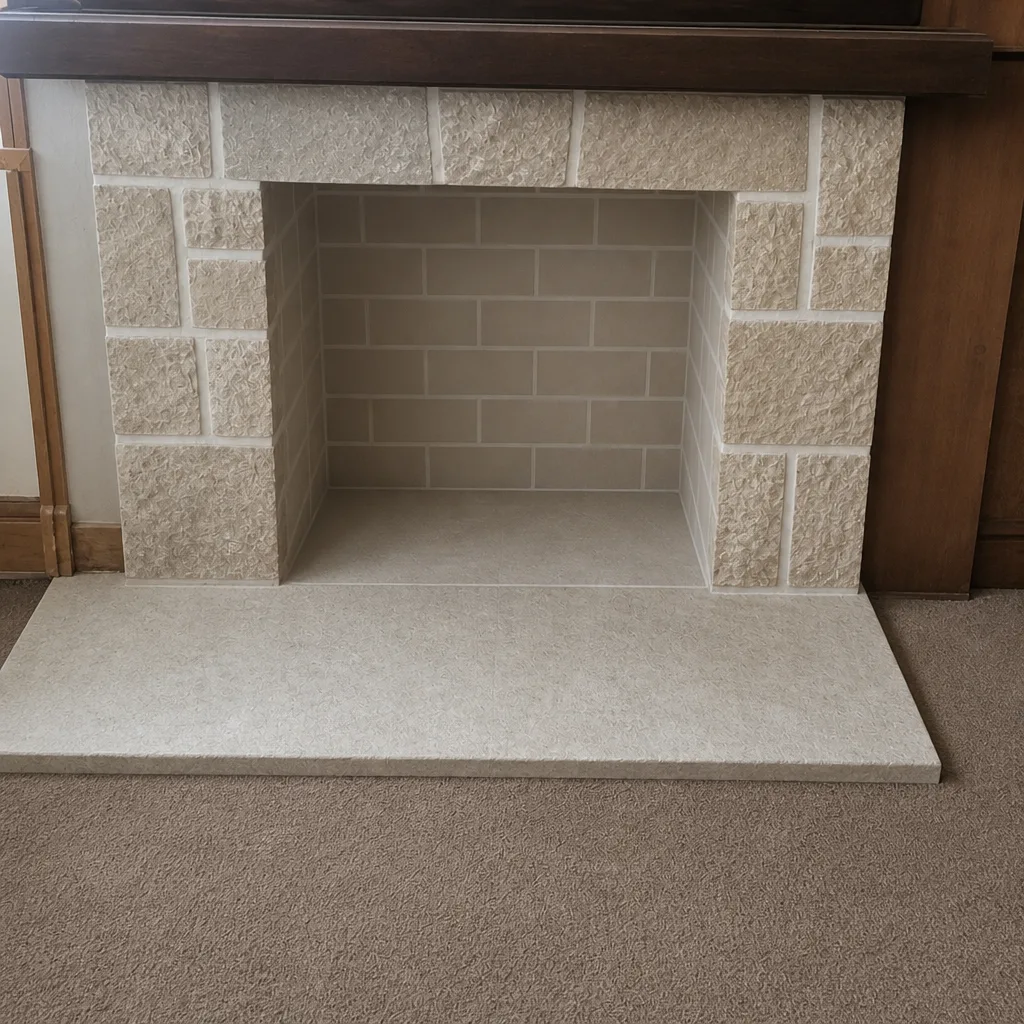 After
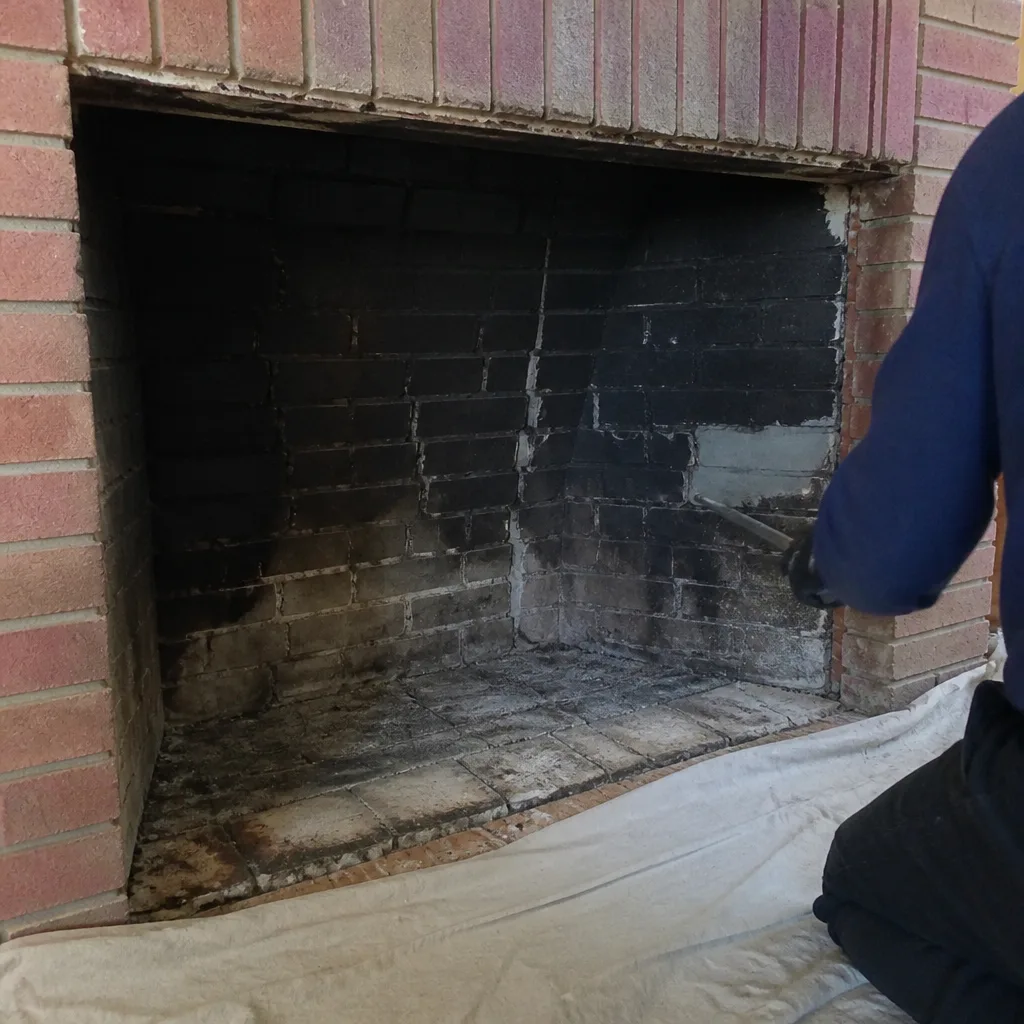 Before
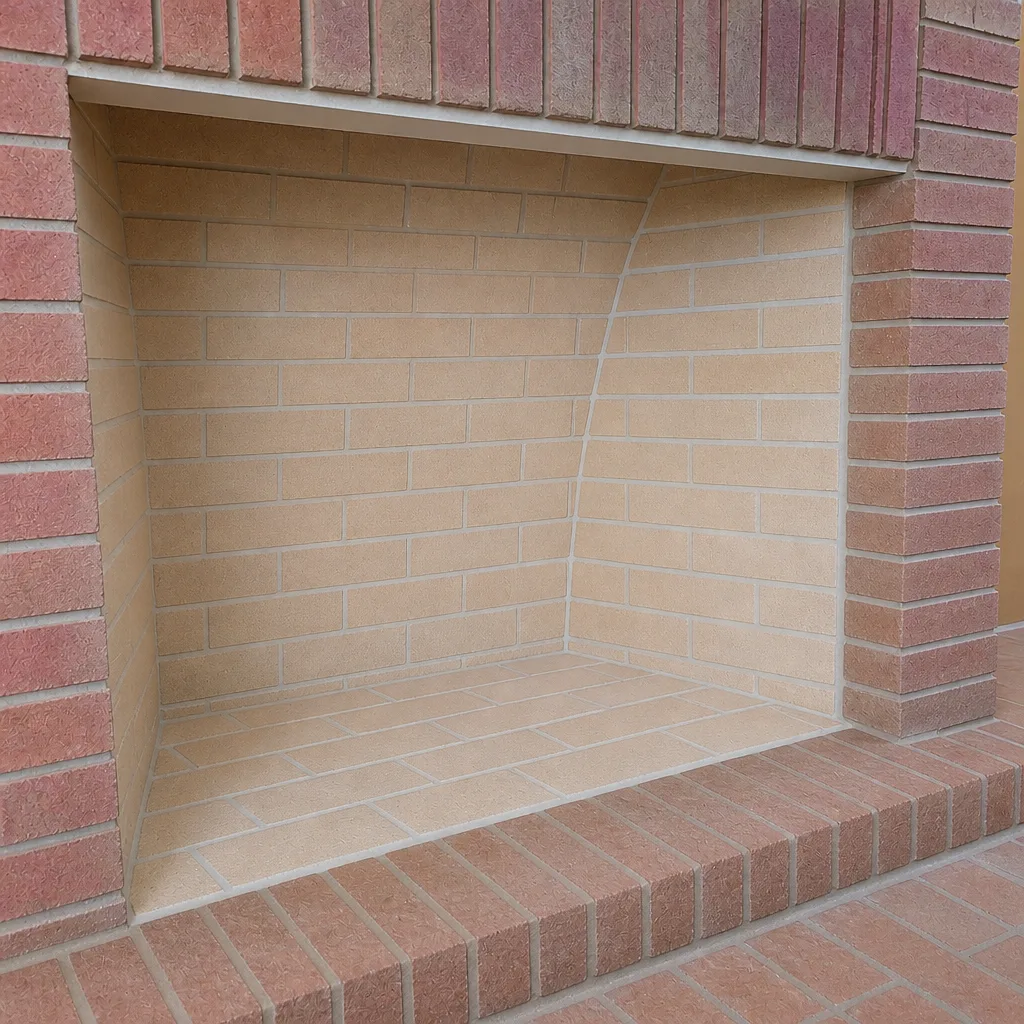 After
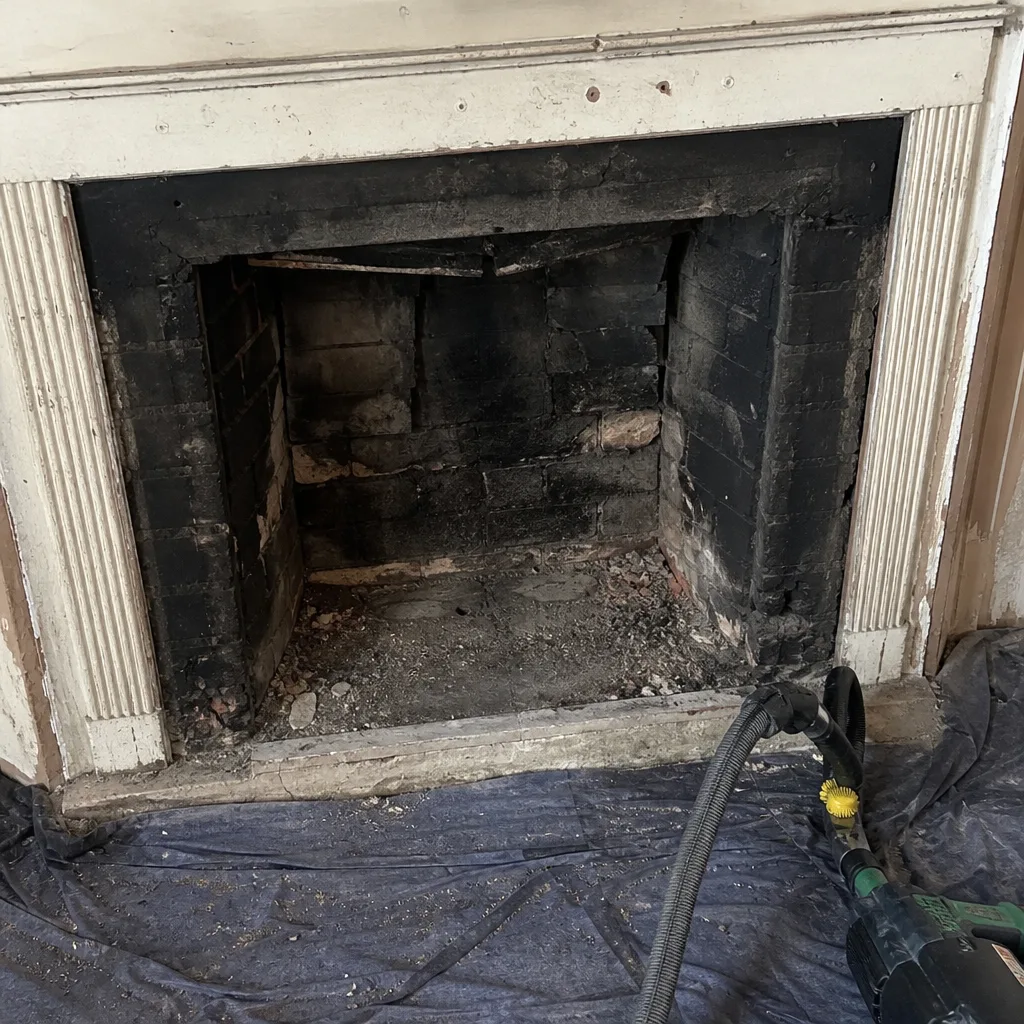 Before
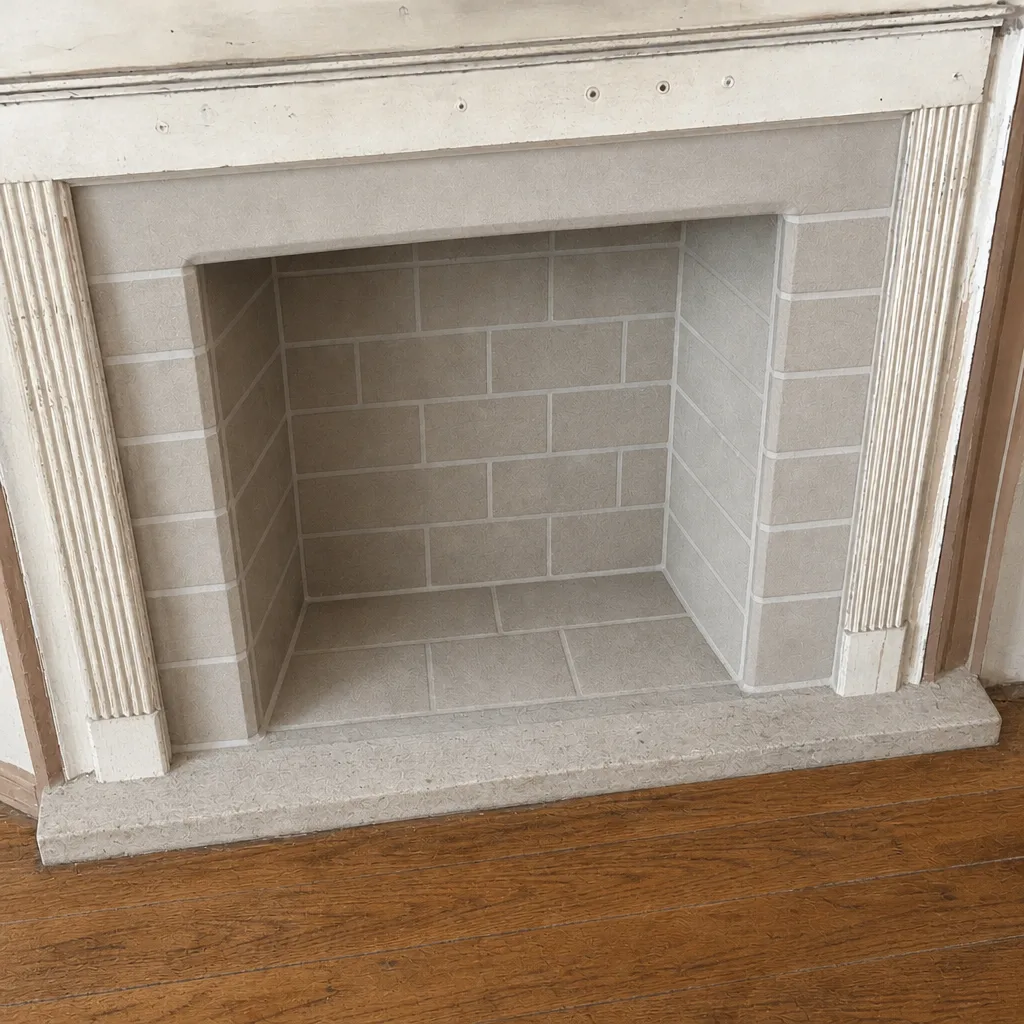 After
When to Call a Professional
Call for an inspection after any chimney fire, any CO alarm, any visible cracking or movement in the upper stack, any smoke smell in the house when a fire is burning, or any change in how the fireplace drafts. Call before the season starts, if you haven’t had the flue swept and inspected recently, and call before allowing any repair to begin so the damage is documented first. For a fire or a CO event, call 911 first. For everything else, a documented inspection comes before a recommendation. Chimney Sweep Flatbush offers free estimates in Flatbush – call (866) 937-7157. We answer 24/7. Fast dispatch from 7am to 7pm, Sunday through Friday. Our technicians have up to 9 years of experience, and we work across the full chimney system – liner, cap, crown, firebox, and flue – with professional-grade brands including DuraFlex, HeatShield, Famco, and Copperfield.
Frequently Asked Questions
Call 911, get everyone out of your unit, and alert the attached neighbors on both sides. The neighbor notification is what makes a Flatbush chimney fire different from a freestanding-house fire – shared walls and connected attic cavities can carry heat and smoke into units next door. Don’t put water on the fire, and don’t go onto the roof. Call (866) 937-7157 for a post-event inspection – estimates are free.
With a chimney-related CO event, the appliance is often working correctly and the flue is backdrafting, sending exhaust back into the living space. That makes the fix a flue, cap, or pressure problem rather than an appliance problem. Leave the building first and call 911. Once you’re cleared, an inspection with draft testing is what identifies the cause. Call (866) 937-7157 to schedule one – estimates are free.
A cracked-through or separated crown, a bulging or leaning upper stack, or spalling brick falling onto the roof points to a structural collapse risk, and the area below should be cleared immediately. Cracks and gaps inside the flue are liner failure, which means stop burning and get inspected, but typically not evacuate. If you can’t tell which you have, that’s what the standalone inspection is for. Call (866) 937-7157 – estimates are free.
Appliance type, fuel source, liner material, last service date, and whether the building is attached on both sides. Also tell them which neighbors you’ve already alerted. Write this on a card and keep it near the fireplace. During an inspection, we can help you put that card together – call (866) 937-7157 for a free estimate.
The exterior of the chimney from the roofline down, the crown and cap from multiple angles in daylight, the firebox and flue from the fireplace opening, the chase inside the attic if accessible, any smoke damage inside, and the shared wall area if smoke reached the neighbor. Then get a written inspection report. Repairs that start before documentation remove the evidence your insurer needs. Call (866) 937-7157 to book the inspection – estimates are free.
Yes, because it establishes the condition of the system before the fire and separates fire damage from wear that already existed. That’s the document adjusters rely on when they evaluate a chimney fire claim. Standalone inspection is available with no obligation to bundle repairs. Call (866) 937-7157 – estimates are free.
The Bottom Line
Chimney emergency preparedness in Flatbush means planning for the building, not just the unit. In a rowhouse, a flue fire or a backdraft CO event can reach the neighbors on both sides, and the first four minutes decide how much of that gets contained. Know the difference between a structural collapse risk and a liner failure. Write down what FDNY will ask. Photograph the chimney before any repair begins, and keep a current inspection report on file so your insurer can tell what was damaged from what was already there. Everything on this list is easier to do before the season than during an emergency.
If you’re ready to schedule a sweep, an inspection, or a repair estimate, call Chimney Sweep Flatbush at (866) 937-7157 for a free estimate. We answer 24/7. Fast dispatch from 7am to 7pm, Sunday through Friday.
Written by the team at Chimney Sweep Flatbush.