
Last updated November 22, 2026
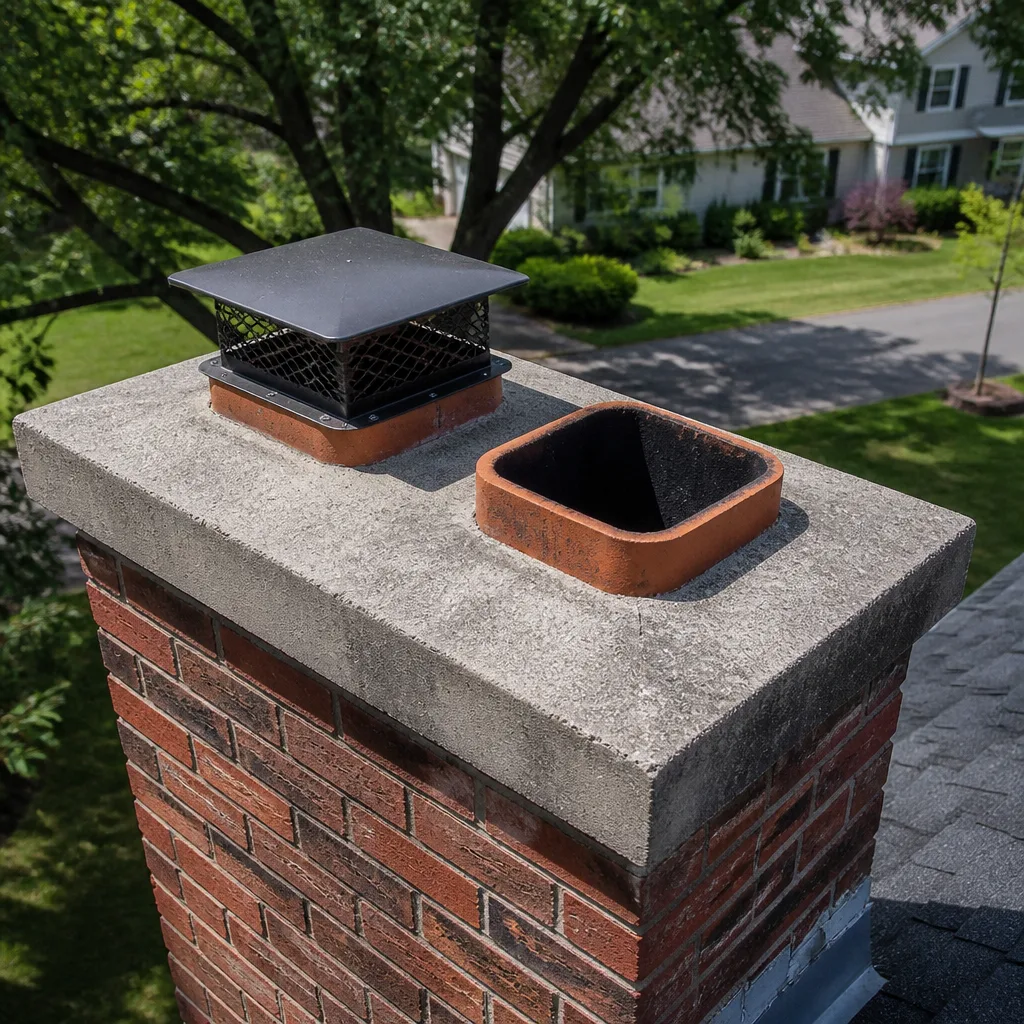 Sweep & inspection
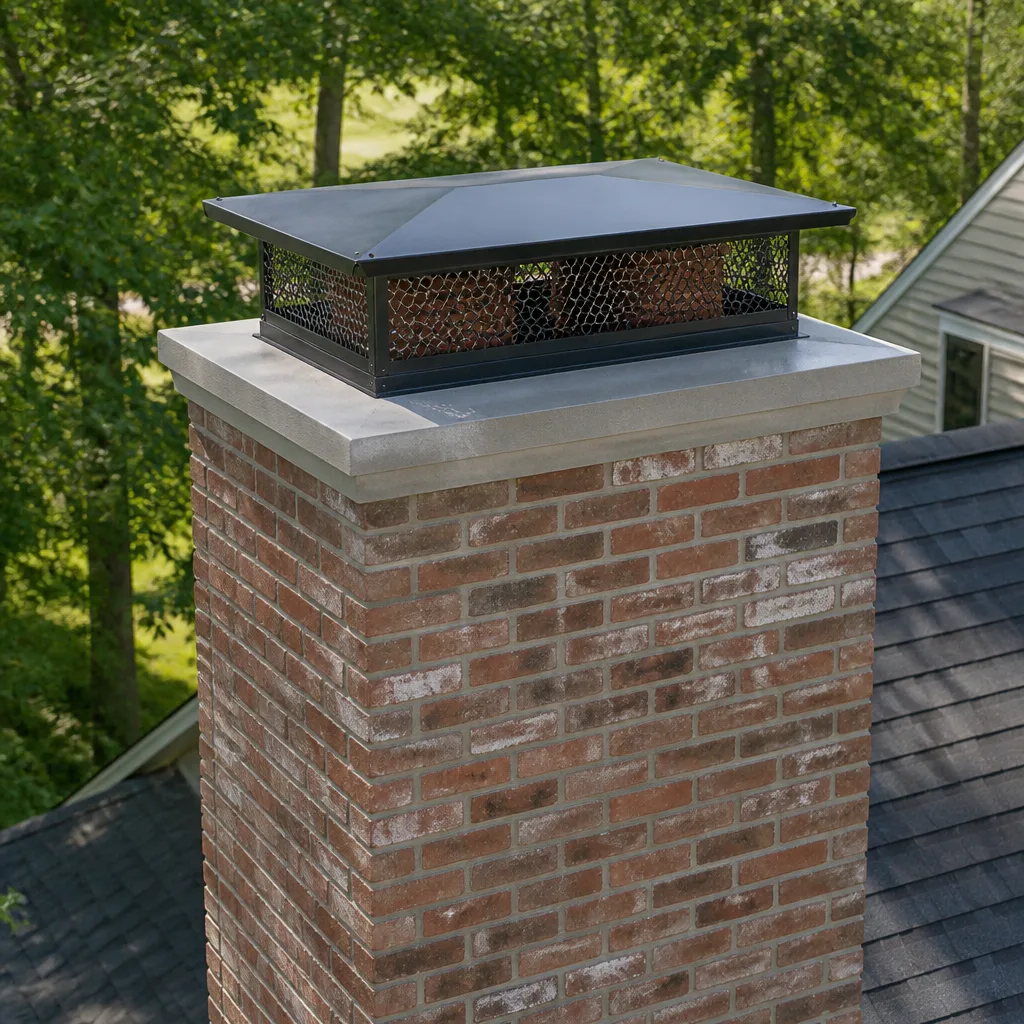 Caps & crowns
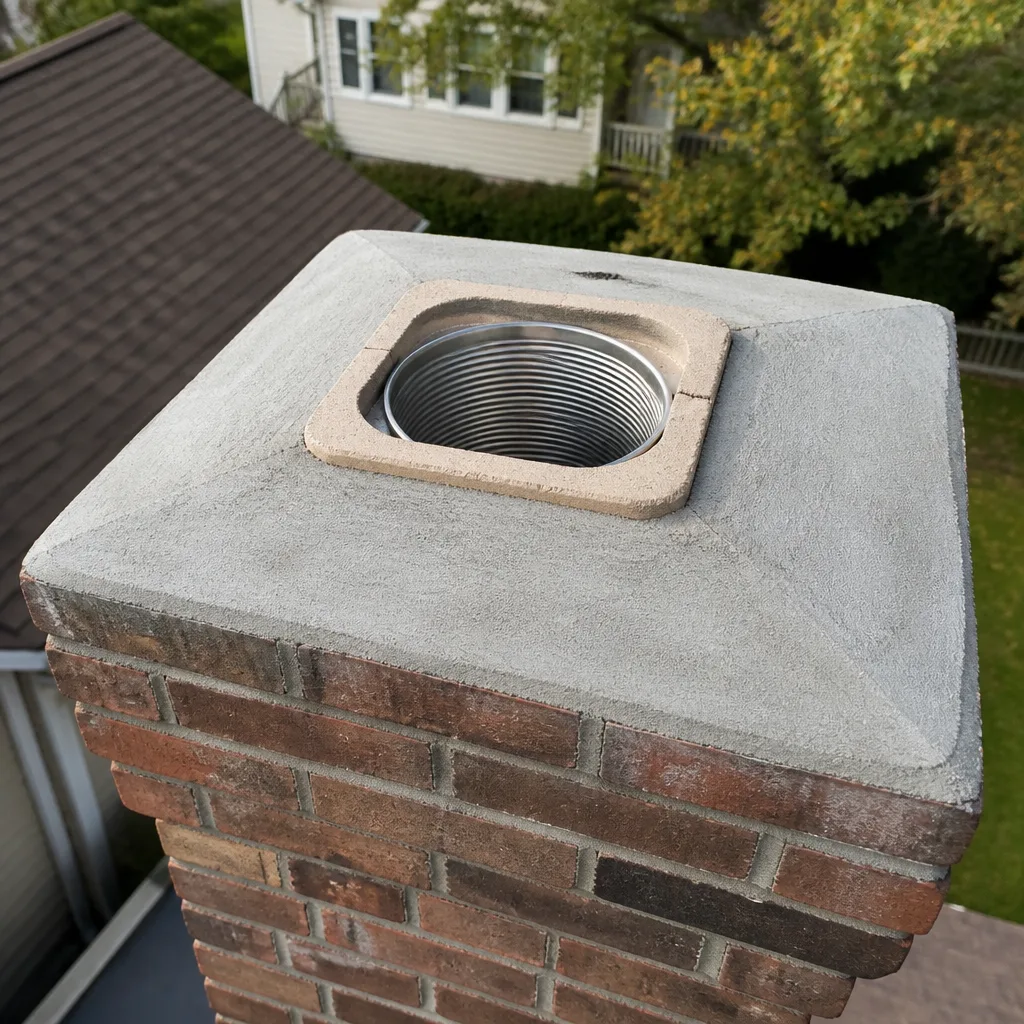 Flue relining
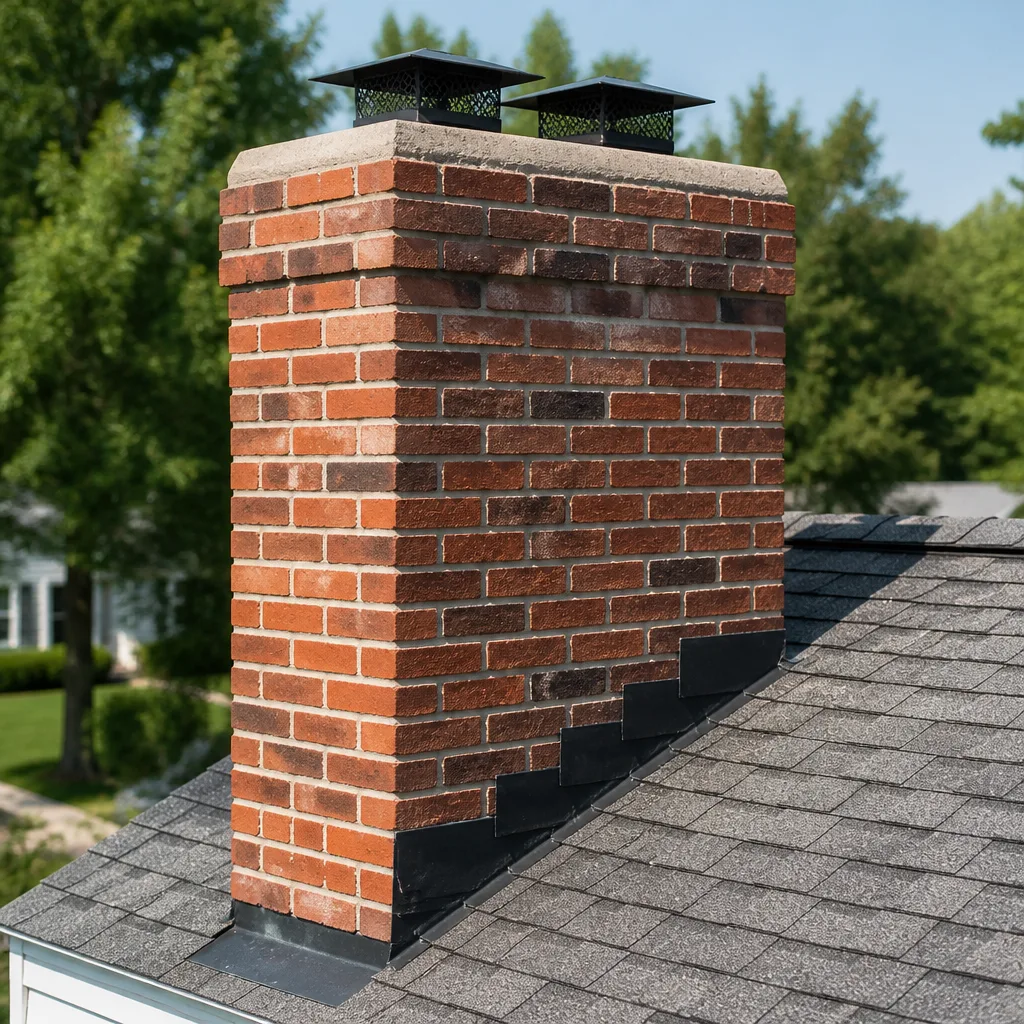 Masonry repair
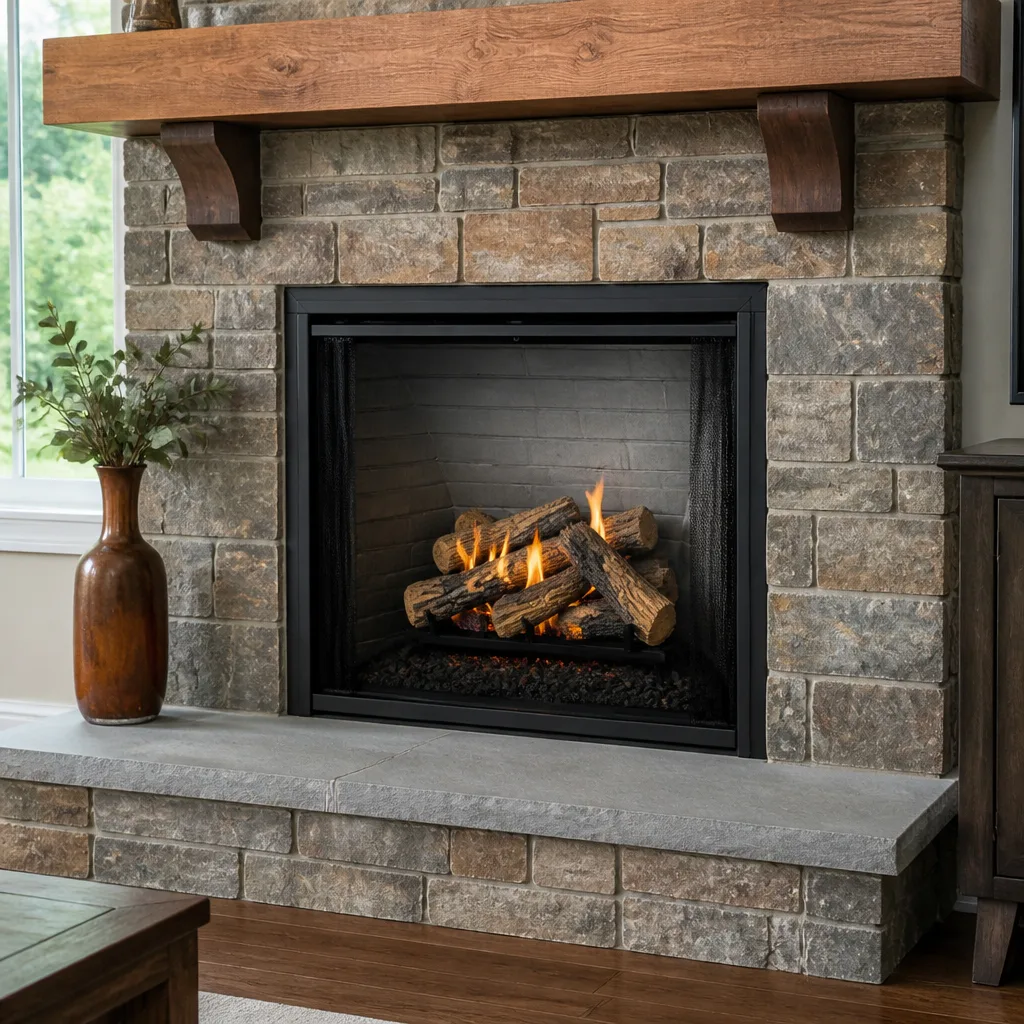 Gas fireplace service
Level 1 sweep and inspection to the NFPA 211 annual standard - flue, crown, cap, and flashing checked and photographed
Chimney sweep logs do not sweep chimneys. They loosen some creosote - which then falls where a brush and vacuum still have to collect it.
DIY vs Professional Chimney Cleaning: The Flatbush Homeowner’s Decision Guide
You can buy the brushes and rods and do a passable cleaning job on a simple flue. That part is real. A straight vertical flue off a wood-burning fireplace is about as forgiving as chimney work gets, and a homeowner with the right tools and some patience can pull soot and light creosote off the walls of it. What you can’t replicate is knowing what you’re looking at when you find a hairline crack in a clay tile liner or a smoke chamber that’s pulling air wrong. That’s not a tool problem, it’s a knowledge problem. This guide is about that gap, what to do inside it, and how to decide when a professional sweep in Flatbush earns its cost.
Quick Answer
DIY chimney cleaning can handle light soot and first-stage creosote in a straight, easy-to-reach flue, but it can’t replace a professional inspection. In Flatbush’s older housing stock, the real safety value sits in the inspection: reading clay tile cracks, bare masonry joints, and early flex liner retrofits is the part a homeowner can’t do with a brush. If your chimney has never been documented by a professional, get a standalone inspection before you decide anything else.
Styles & brands we work with
- Sweep & inspection
- Caps & crowns
- Flue relining
- Masonry repair
- Gas fireplace service
Table of Contents
- What a DIY Sweep Can and Cannot Do: The Honest Ceiling
- Why Flatbush’s Older Liners Are a Special Case
- The Legal and Insurance Side of a Chimney Fire in NYC
- What You Can Genuinely Do Yourself (Without Overreaching)
- When a Professional Sweep Pays for Itself
- What a Professional Sweep Actually Involves
- What Chimney Cleaning Costs in Flatbush
- How Often Should a Flatbush Chimney Be Swept?
What a DIY Sweep Can and Cannot Do: The Honest Ceiling
Let’s be exact about the ceiling, because most of the argument online is either “DIY is suicide” or “DIY is easy,” and neither is true. A homeowner with proper brushes, drop cloths, and a working understanding of the flue can accomplish a real cleaning on a simple chimney. That’s worth saying plainly.
Here’s what a DIY sweep can genuinely do:
- Remove soot and light, powdery creosote from a straight flue connected to a wood-burning fireplace.
- Brush a chimney that was swept within the last year and hasn’t built up glazed deposits.
- Clear an obvious bird nest or leaf blockage from the firebox side if it’s directly reachable.
- Keep a well-maintained chimney from accumulating a heavier load between professional visits.
And here’s what it cannot do, no matter how good your tools are:
- Grade creosote. Stage 2 creosote is a flaky, crusted layer that brushes can partially lift but often can’t fully remove, and Stage 3 is glazed and tar-like, which is a professional-only removal job. You have to be able to tell them apart.
- Read a clay tile liner for hairline cracks, spalling, or shifted joints, which requires a camera run through the flue.
- Assess the smoke chamber. It’s the sloped transition above the damper, and it’s where a baffled or corbelled smoke chamber pulls air wrong and pushes smoke back into the room.
- Check the crown, cap clearance, and exterior masonry stack from the roof, which is where water intrusion and freeze damage start.
- Produce a documented inspection record.
The honest ceiling, then, is this: DIY cleaning can maintain a chimney that is already known to be in good condition. It can’t establish that condition in the first place. If you don’t know what’s in your flue, cleaning it yourself just makes an uninspected chimney marginally cleaner. That’s the gap, and in Flatbush, where so many homes were built in the 1920s and 1930s, it’s a gap that matters.
Why Flatbush’s Older Liners Are a Special Case
Flatbush housing stock carries a specific set of liner conditions you won’t find in a new subdivision. The neighborhood’s pre-war apartment buildings and rowhouses were built with clay tile liners, and some carry bare masonry flues where the interior of the brick itself acts as the flue. Others have had liner retrofits over the decades, and not all of those retrofits were done to a consistent standard. Each of these reads differently, and each one demands interpretation.
Clay Tile Liners
A clay tile liner is a series of cylindrical or square tiles stacked inside the brick. Over 80 or 90 winters of heating cycles, the tiles develop hairline cracks, spalled faces, and gaps at the joints. From the firebox looking up, the flue looks intact. From a camera run through it, you can see the crack that opens the flue into the surrounding masonry. A cracked tile is a path for heat, carbon monoxide, and creosote to reach the wood framing or the apartment next door. You can’t see it with a flashlight, and no brush will tell you it exists.
Bare Masonry Flues
Some older Flatbush chimneys never had a liner at all, just brick laid to channel smoke. Bare masonry flues are the most vulnerable of the group. The mortar joints erode first, especially on the smoke side, and the flue opening slowly widens and roughens. Rough walls hold creosote the way a scratched pan holds oil. These flues are manageable, but they need to be documented and often re-lined before they can be used safely. Recognizing that a flue is bare masonry, and not an old liner that’s been covered, is something a professional camera inspection establishes.
Early-Era Flex Liner Retrofits
Flexible stainless liner retrofits have been installed in Flatbush for decades, and the earliest ones were installed in ways that don’t meet current practice. A retrofit may be undersized for the appliance, have a poorly sealed top plate, or have been shoved into a flue that still had debris in it. A flexible liner inside a flue is not a “done” job, it’s a job you have to be able to inspect. When we fit a DuraFlex flexible liner system on a retrofit, the sizing, the insulation, and the top plate are chosen together, and the finish is one you can inspect without removing anything.
In our experience, the failure pattern in Flatbush’s older buildings is rarely the dramatic one. It’s a slow accumulation of small liner defects that no homeowner brush would ever surface. That’s not a reason to panic, it’s a reason to know the condition of your flue before you decide how to maintain it.
The Legal and Insurance Side of a Chimney Fire in NYC
Here’s the part of the DIY conversation most guides skip. In a NYC property, a chimney fire is not only a safety event, it’s an insurance event. When an insurer looks at a claim, it looks for evidence of maintenance and professional inspection. If a chimney fire has damaged the building and there’s no record of any professional inspection, the claim can become much more complicated than it would be otherwise.
The insurance dynamic works like this: standard homeowner policies typically expect reasonable maintenance, and a chimney is one of the components insurers single out. If you can point to a documented inspection with a date, a technician’s findings, and a photo record, you have a defensible file. If the only maintenance on record is “the homeowner said they swept it,” you may find the insurer asking harder questions about whether the condition was known and ignored. We don’t provide insurance advice, and we can work with your insurer if a claim is in progress. But the point stands: a professional inspection paper trail is a practical asset in a Flatbush building, and a DIY sweep produces no such record.
There’s also a code side. New York City has rules about chimneys and solid-fuel appliances that a licensed professional is expected to know and follow. Most of these rules are about clearances, liner requirements, and venting. A homeowner can’t reasonably be expected to know them, and after a fire, “we didn’t know” doesn’t carry the same weight as a documented inspection that flagged the same condition. If you want to know how a professional documents that condition, our chimney repair page explains what an inspection report typically contains.
What You Can Genuinely Do Yourself (Without Overreaching)
There are real homeowner tasks here, and it’s worth doing them well. None of them involve reaching into the flue beyond the firebox, climbing onto the roof, or working on the liner.
- Firebox visual checks. With the fire out and the firebox cold, look at the firebrick and the mortar joints. What you’re checking for is loose brick, crumbling mortar, and any white or chalky staining. Note what you see; don’t try to repair it. Firebox brick is a structural, heat-rated material, and patching it with generic mortar can make a small problem worse.
- Damper operation. Open and close the damper a few times. It should swing with modest effort and seat flush. If it’s stiff, a small amount of high-temperature lubricant on the pivot is a reasonable homeowner task. If it won’t seat, that’s a professional question, because a damper that leaks is a heat-loss and smoke-migration problem.
- Cap clearing. From the ground, look at the chimney cap. It should be clear of leaves, twigs, and bird nests. You can clear light debris from the cap with a long pole if it’s safely reachable from a window or a stable ladder inside the building. Do not go onto a roof to clear it. Roof work in Flatbush’s older rowhouses is a fall hazard, and the cap is often the wrong thing to be standing near to fix.
- Ash removal. Keep the ash pan and the firebox clear of excess ash, and keep combustible material well back from the hearth. This is basic housekeeping and it genuinely reduces the chance of a chimney fire.
- Smoke and carbon monoxide detectors. Test them, keep fresh batteries, and make sure there’s a CO detector on every floor of the apartment. This is the single most valuable thing a homeowner can do and it has nothing to do with the chimney itself.
What you shouldn’t do: climb onto the roof, open the smoke chamber, try to re-seat a clay tile, patch a crown with caulk, or force a brush through a flue you haven’t had inspected. Those are the tasks where the gap between DIY cleaning and professional work turns into a safety problem.
When a Professional Sweep Pays for Itself
Most chimney sweeps are not dramatic. But there are a specific set of findings that have no DIY remediation path at all, and those findings are exactly what pays for the visit.
- Stage 2 or Stage 3 creosote. Stage 2 is flaky and crusted; a rotary brush can lift much of it, but it needs professional equipment and often a chemical treatment. Stage 3 is glazed and tar-like and requires rotary cleaning with specialist tools. Neither is a homeowner brush job, and a fire in either is a serious fire.
- Liner fractures. A crack in a clay tile or a split in a flex liner is a passage for heat, smoke, and CO into the building structure. It’s not visible without a camera, and it’s not repairable with a brush. Correcting it is a liner repair or a liner resurfacing job. We use HeatShield resurfacing as a structurally sound, cost-effective path on liners that are otherwise sound, and it’s a real alternative to full replacement when the liner qualifies.
- Offset or obstructive flues. Some Flatbush buildings have chimneys that offset around a party wall or narrow at a floor line. Those flues collect creosote at the offset, and a brush alone won’t clear it. Getting to the obstruction takes a camera first, then the right tool.
- Crown and cap failures. A cracked crown lets water into the stack, and water plus freeze-thaw is what breaks masonry down. A failing cap lets water in from the top. We install Gelco and Famco caps to manufacturer spec, and we fit Olympia Chimney components where the existing setup calls for them, so the weatherproofing is a known product and not a generic hardware-store substitute.
- Smoke chamber defects. A baffled or corbelled smoke chamber can pull air wrong, push smoke into the room, and build creosote unevenly. Correcting it is a masonry-and-liner job, not a cleaning job.
When one of these turns up, the sweep visit pays for itself many times over, because the alternative is a chimney fire or a CO event. When none of them turn up, you’ve bought certainty, and that’s worth something too. The point is that you don’t know which visit you’re having until someone with a camera looks.
What a Professional Sweep Actually Involves
A professional sweep is two jobs in one: the cleaning and the inspection. The cleaning is what most people picture. The inspection is what makes the cleaning meaningful. When we sweep a chimney in Flatbush, the process runs like this.
- Setup. Drop cloths over the hearth and the immediate floor, a sealed vacuum connection to keep dust out of the room, and the firebox cleared of ash and debris.
- Brushing. The flue is brushed from the bottom up or top down depending on the configuration. The brush type depends on the liner: a poly brush on a clay tile or flex liner, a wire brush only where the liner material allows it. The brand tools here matter, and Copperfield sweep and inspection equipment is what we work with because it reads a flue properly.
- Camera inspection. A camera run through the flue records the liner from the firebox to the top. The photo record is the difference between “the chimney looked fine” and knowing what’s actually in the flue.
- Assessment. Creosote grade, liner condition, smoke chamber, damper, crown, and cap. Findings are written down.
- Report. You get the photo record and a written summary, and you decide what, if anything, gets repaired. There’s no obligation to bundle any repair into the visit.
That last point is the one we care about most. We inspect before we recommend, and the inspection is offered as a standalone service. If your flue is in good shape, you’ll hear that. If it’s not, you’ll see the photograph that tells you why. If you want to see how a full chimney system is covered from firebox to cap, our chimney cap & crown page walks through the exterior side of the system.
What Chimney Cleaning Costs in Flatbush
Chimney cleaning in Flatbush typically costs between $150 and $350 for a standard sweep and inspection on a straightforward flue. If additional work is needed, the written estimate sets the final price. The estimate itself is free.
- Standard sweep and inspection: typically $150 to $350, depending on flue length, access, and appliance type.
- Standalone chimney inspection: typically $100 to $250, offered with no obligation to book repair work.
- Creosote removal, Stage 2 or 3: typically $250 to $600, because the treatment is more involved than a standard brush.
- Cap and crown work: typically $250 to $900 depending on scope; the written estimate sets the number.
- Liner resurfacing or repair: priced per job on the written estimate, and HeatShield resurfacing is often the more cost-effective route than full replacement when the liner qualifies.
There’s no service-call fee and no dispatch charge. You get a written estimate and you decide from there. If you want to read more about how a chimney sweep job is scoped and priced, that page covers the standard sweep specifically. And if you want the broad picture of what we cover, the Chimney Sweep Flatbush page lays it out.
How Often Should a Flatbush Chimney Be Swept?
Once a year is the standard answer, and it holds for most wood-burning fireplaces in Flatbush. The reason is seasonal: Flatbush gets cold enough that a fireplace runs through a real heating season, and creosote accumulates with use. A sweep in late summer or early fall, before burning season begins, is the natural rhythm. It puts the inspection behind you before you light the first fire.
The once-a-year rule assumes normal use. There are cases where more often is right:
- You burn unseasoned wood, which produces more creosote.
- You burn softer woods, which smoke more and deposit more.
- You use the fireplace as a primary heat source rather than for ambiance.
- The appliance is a wood stove or a solid-fuel insert, which concentrate heat and load the flue differently.
- Any prior inspection flagged Stage 2 creosote and you haven’t yet had it removed.
If you’ve never had the chimney inspected, don’t wait for a calendar date. Get the inspection first; the results will tell you the rhythm.
Common Mistakes to Avoid
- Sweeping but never inspecting. A brush on a cord tells you nothing about liner cracks or a smoke chamber pulling air wrong. The cleaning and the inspection are two different jobs, and the inspection is where the safety value lives in a Flatbush pre-war building.
- Buying a cheap wire brush and using it on a flex liner. Wire bristles on a stainless flex liner can score the surface and shorten its life. Poly brushes are the right choice on flex liner and on clay tile; wire is for specific materials only.
- Climbing on the roof to check the cap. Flatbush rowhouse roofs are steep and old, and a fall from one is far worse than a dirty cap. Look at the cap from the ground and let a professional handle anything above ladder height.
- Trying to patch a cracked clay tile from the firebox. Whatever you smear on the inside of a tile will not bond to it under heat, and it can flake off and obstruct the flue. A cracked tile is a resurfacing or re-lining question, not a patch question.
- Assuming “the chimney looks fine” is a finding. Visible condition from the firebox is the least informative view of the system. If it’s the only view you have, you have nothing yet.
- Skipping the CO detector. The most common serious outcome of a compromised chimney in a Flatbush apartment building is carbon monoxide entering the living space, not a chimney fire. Test the detectors and keep them on every floor.
- Deferring a known problem season after season. A flagged liner crack doesn’t improve with time, and the freeze-thaw cycle on a Flatbush roof works a defective crown harder every winter. If a problem has been documented, deal with it before the next burning season.
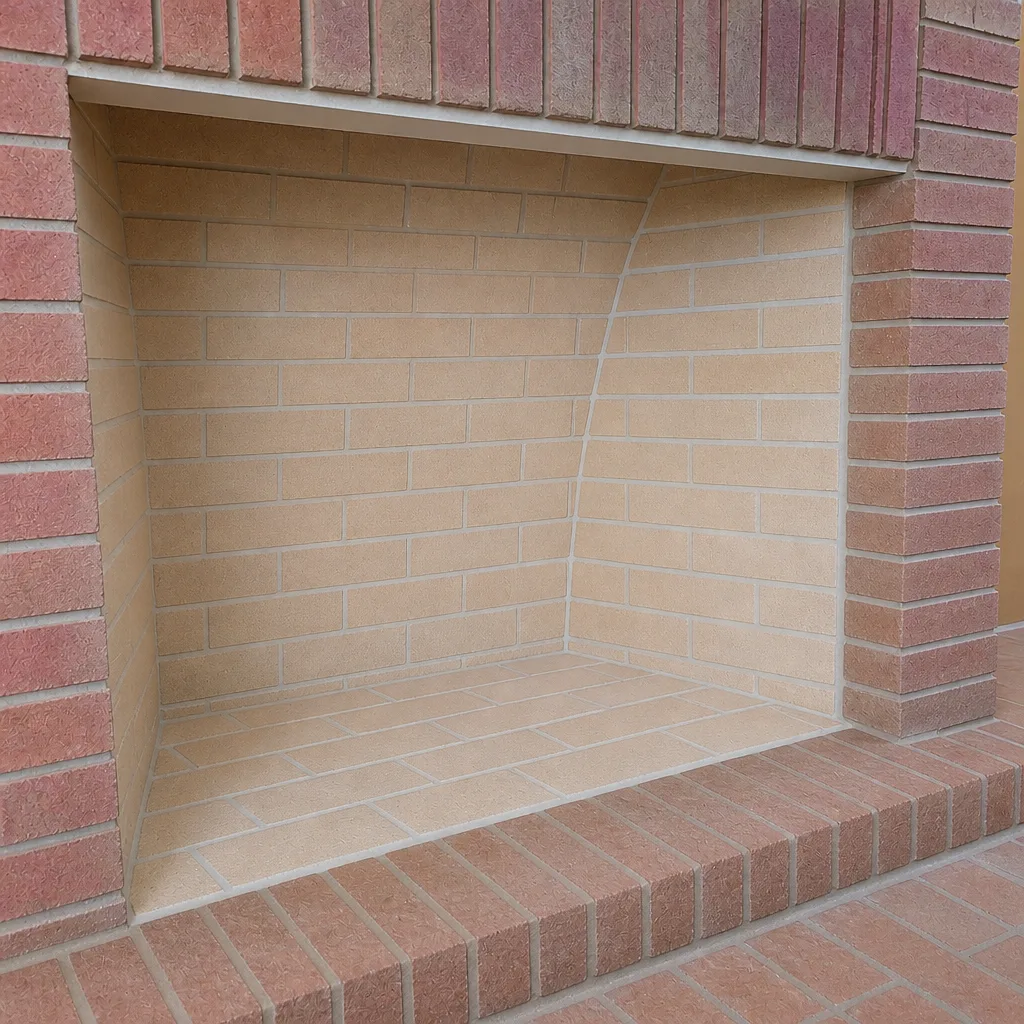
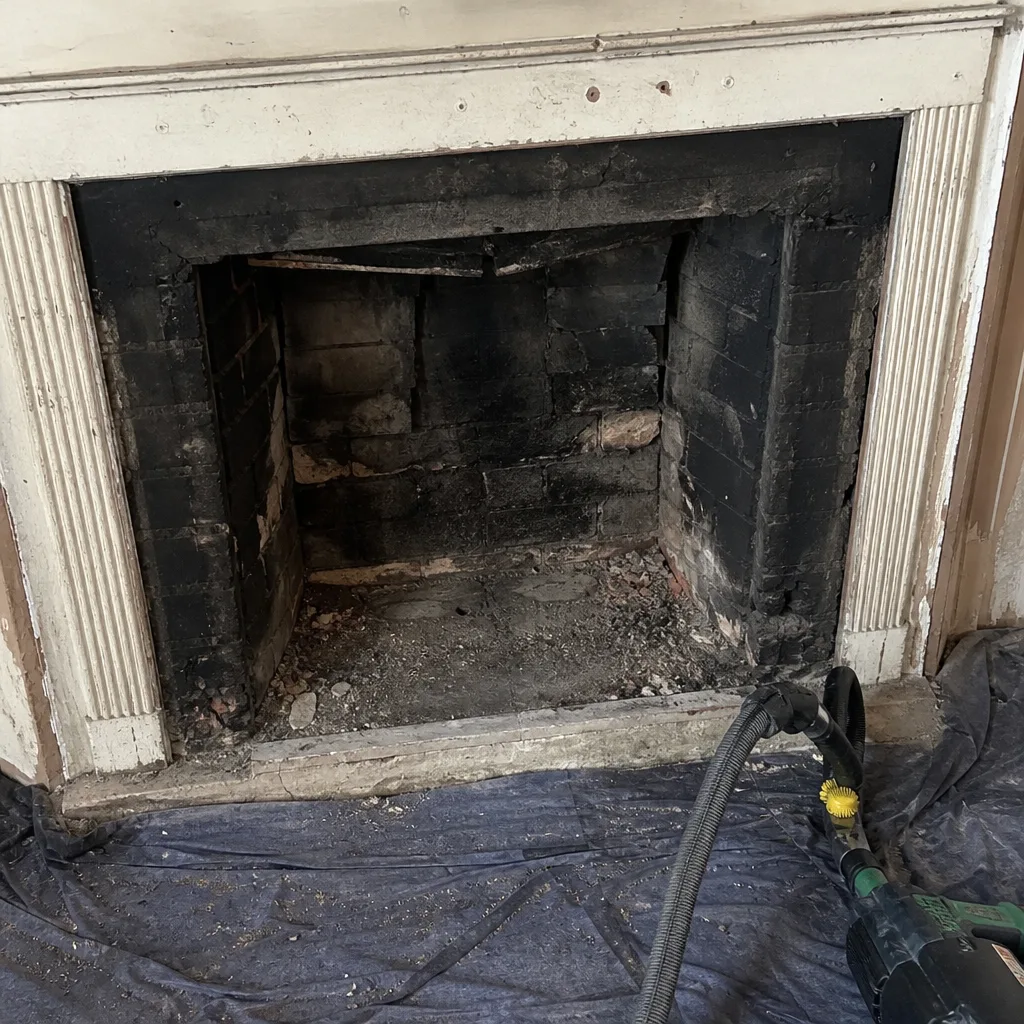
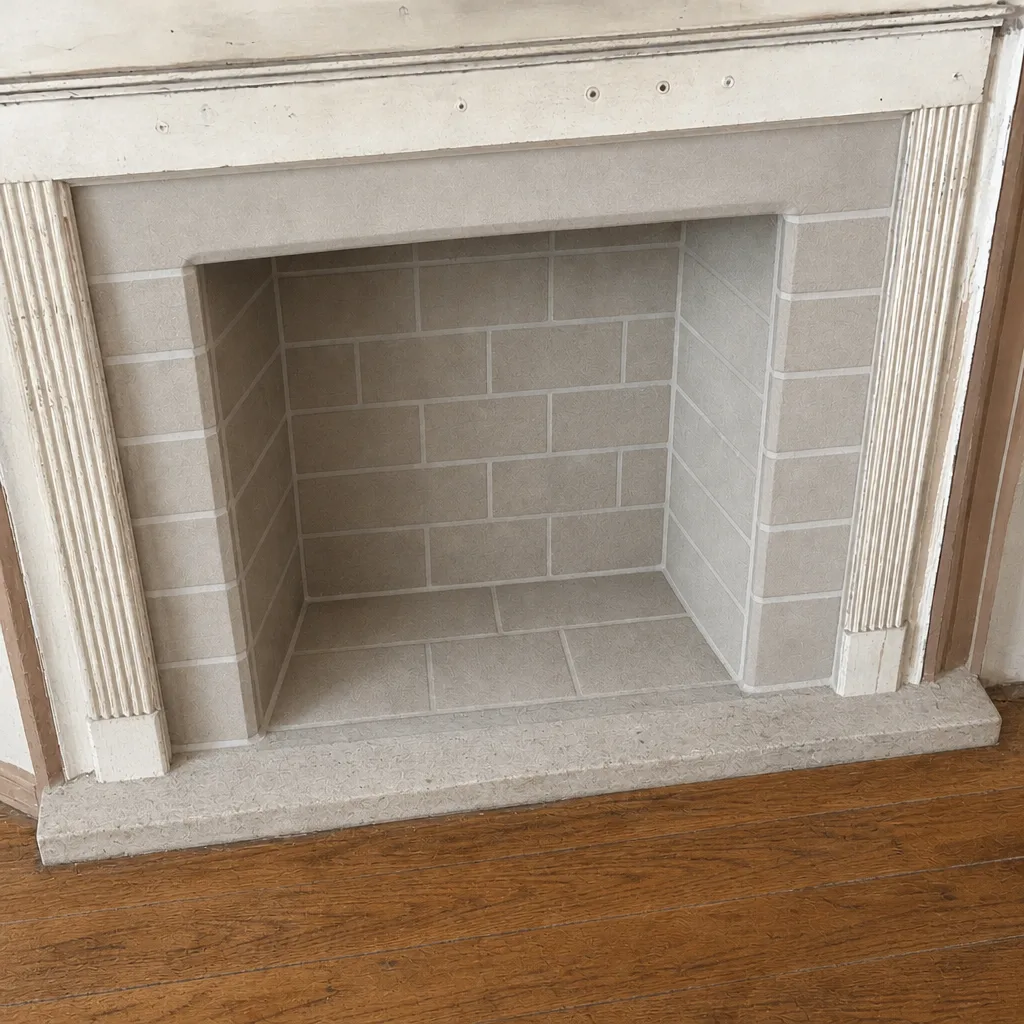
See the difference
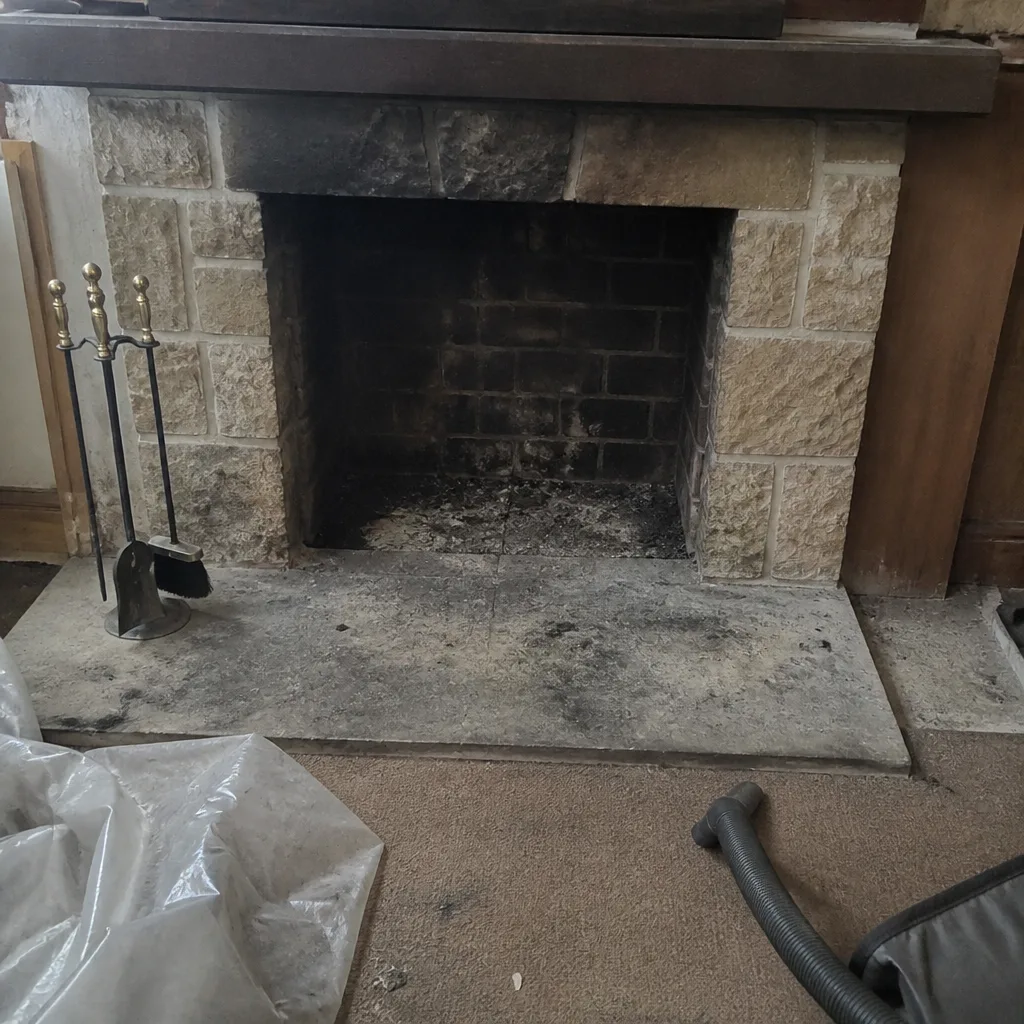 Before
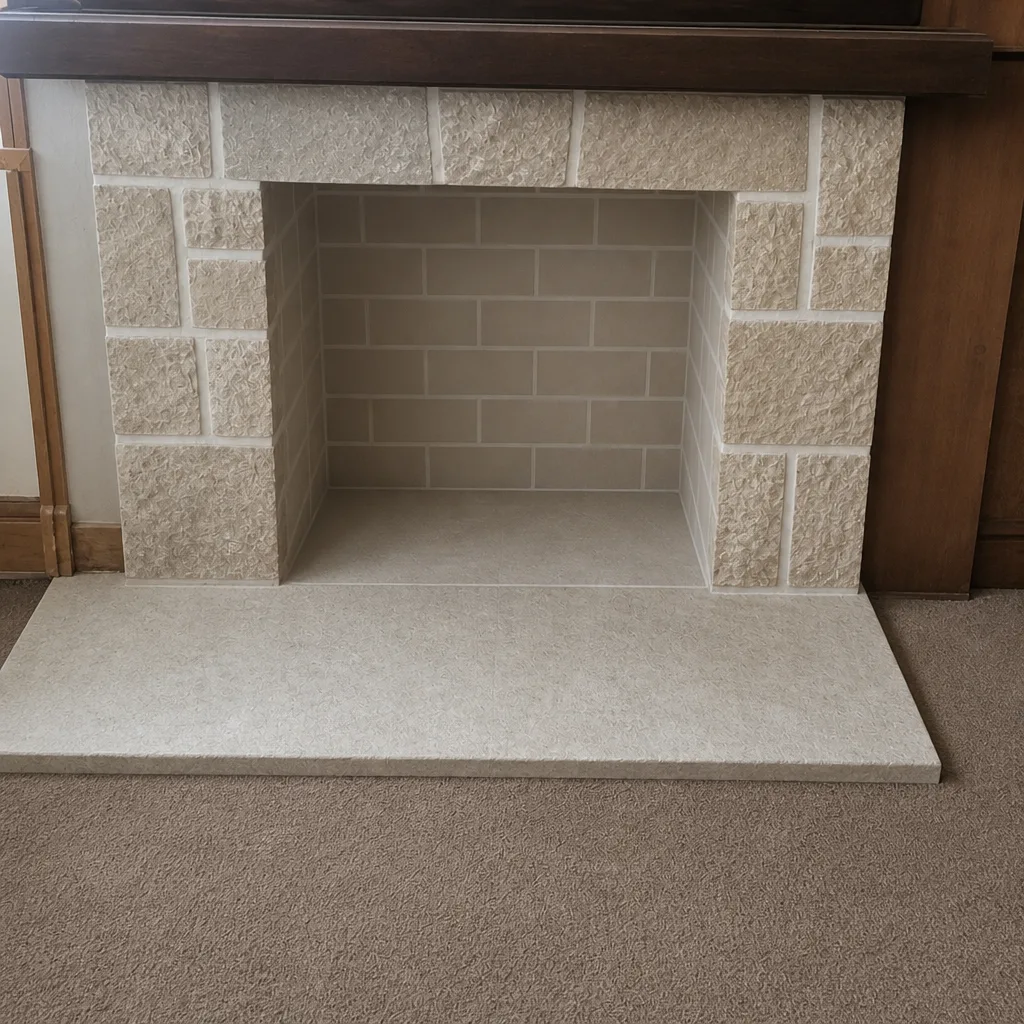 After
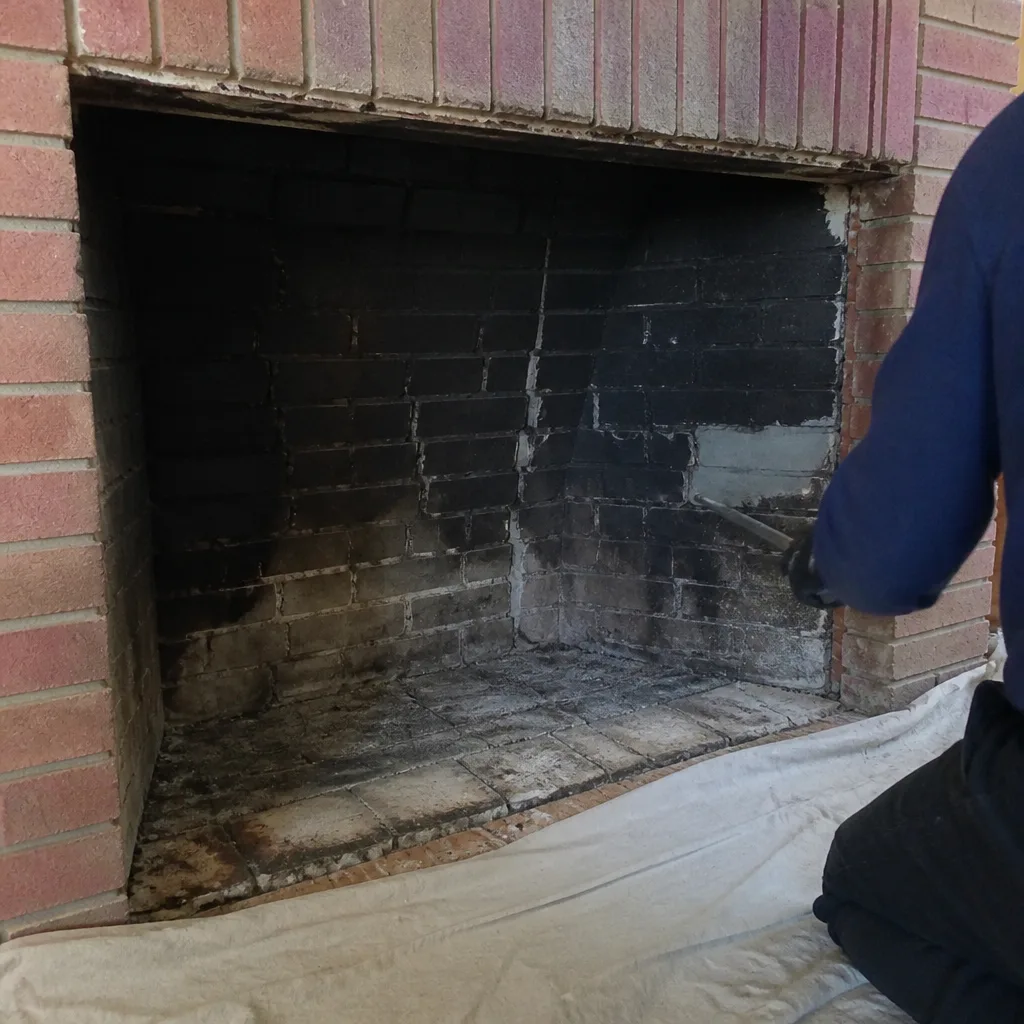 Before
 After
 Before
 After
When to Call a Professional
Call a professional when the situation involves any of the following: you’ve never had the chimney inspected; you’ve had a chimney fire or a smoke-back event; you smell smoke in the room or in other parts of the building when the fireplace is running; a CO detector has triggered; you’ve noticed staining on the chimney breast or the exterior stack; the chimney is capped but the cap is damaged or missing; or you burn wood as a primary heat source. In each case, the situation needs a camera inspection and a written assessment. Chimney Sweep Flatbush offers free estimates in Flatbush. Call (866) 937-7157. We answer 24/7. Fast dispatch from 7am to 7pm, Sunday through Friday.
Frequently Asked Questions
Yes, for light soot and first-stage creosote in a simple, straight flue, a homeowner with the right brushes can do a passable cleaning. What a DIY sweep can’t do is inspect the flue, read a clay tile for cracks, or grade the creosote accurately, and in Flatbush’s older buildings those are the parts that matter. If the chimney has never been professionally inspected, book an inspection before deciding how to maintain it. Call (866) 937-7157 for a free estimate.
Chimney cleaning in Flatbush typically runs $150 to $350 for a standard sweep and inspection, and the written estimate sets the final price. That’s an estimate range, not a quote; the exact number depends on flue configuration and access. The estimate is free, and there’s no service-call fee. Call (866) 937-7157 for an exact quote.
Yes, if the chimney has never been inspected. Cleaning addresses soot and light creosote; inspection addresses liner cracks, smoke chamber performance, crown and cap condition, and creosote grade, none of which a brush can surface. A standalone inspection from us is offered with no obligation to book any repair, so you get the findings without pressure. Call (866) 937-7157.
Two risks build up: creosote accumulation, which raises chimney fire risk, and undetected liner or crown defects, which raise carbon monoxide risk. Neither is immediate, and that’s the trap. A Flatbush building that skips inspection for several seasons can carry a serious liner defect without a single symptom until a fire or a CO event surfaces it. A sweep and inspection before burning season is the standard safeguard. Call (866) 937-7157.
Not on a flex liner. Wire brushes can score stainless flex liner and shorten its service life; poly brushes are correct on flex liner and on clay tile. Wire is appropriate only where the liner material permits it, and that’s a determination to make during an inspection, not before. If you’re unsure what your liner is made of, have it looked at. Call (866) 937-7157.
Yes. A professional sweep includes a camera inspection and a written report with a photo record of the flue, and that documentation is what an insurer would look for if a chimney fire claim arose. A DIY cleaning produces no such record, no matter how thorough the cleaning. We can work with your insurer if a claim is in process. Call (866) 937-7157.
The Bottom Line
DIY chimney cleaning is not irresponsible. It’s simply limited. In a simple flue, a homeowner with the right brushes can keep a clean chimney clean. What a homeowner cannot do is establish the chimney is safe, because that takes a camera, a trained eye, and a written record. In Flatbush’s pre-war buildings, with clay tile liners, bare masonry flues, and decades of retrofits, the inspection is where the real value sits. Do the firebox checks and the detector tests yourself. Book the sweep and inspection once a year, before burning season, and let a professional document what’s actually in the flue.
If you’re ready to know the condition of your chimney, call Chimney Sweep Flatbush at (866) 937-7157 for a free estimate. We answer 24/7. Fast dispatch from 7am to 7pm, Sunday through Friday. We inspect before we recommend, and the inspection stands on its own, with no obligation to book a thing.
Written by the team at Chimney Sweep Flatbush.