
Last updated November 22, 2026
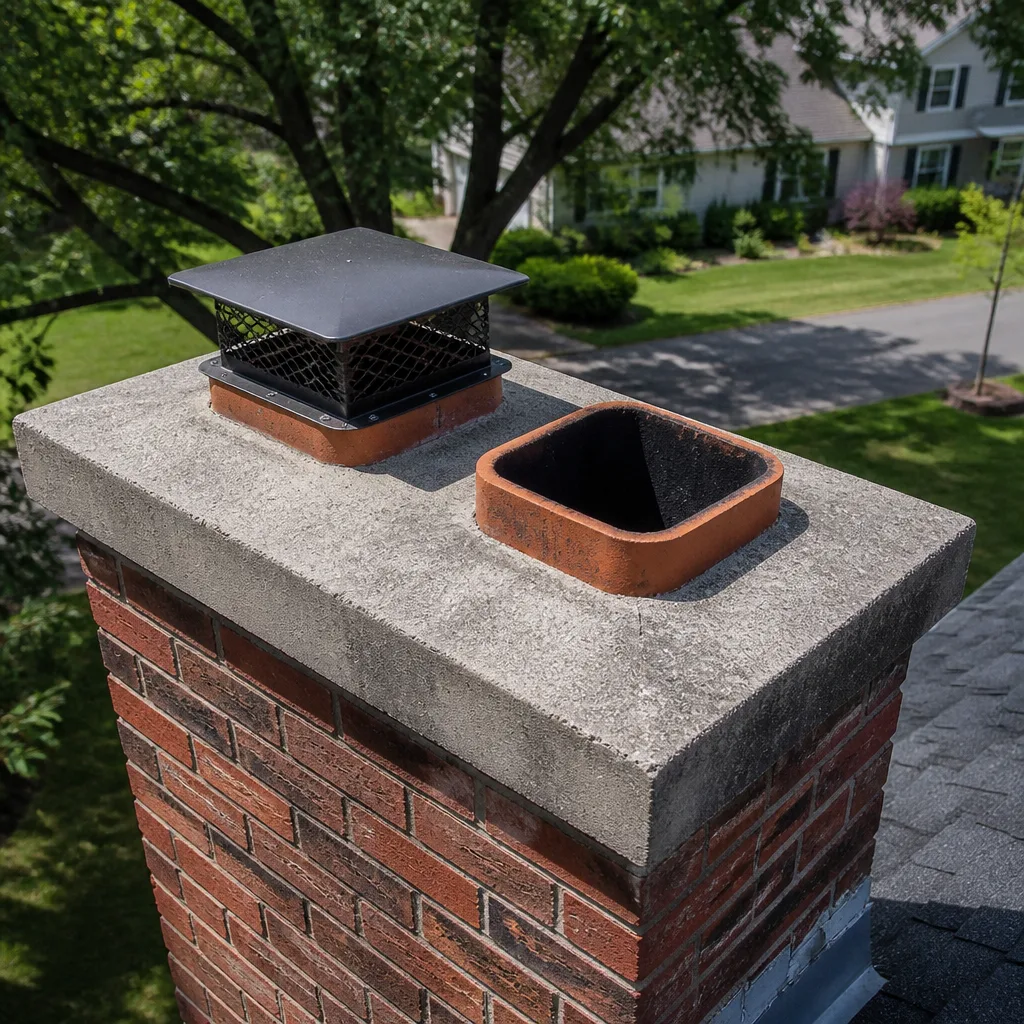 Sweep & inspection
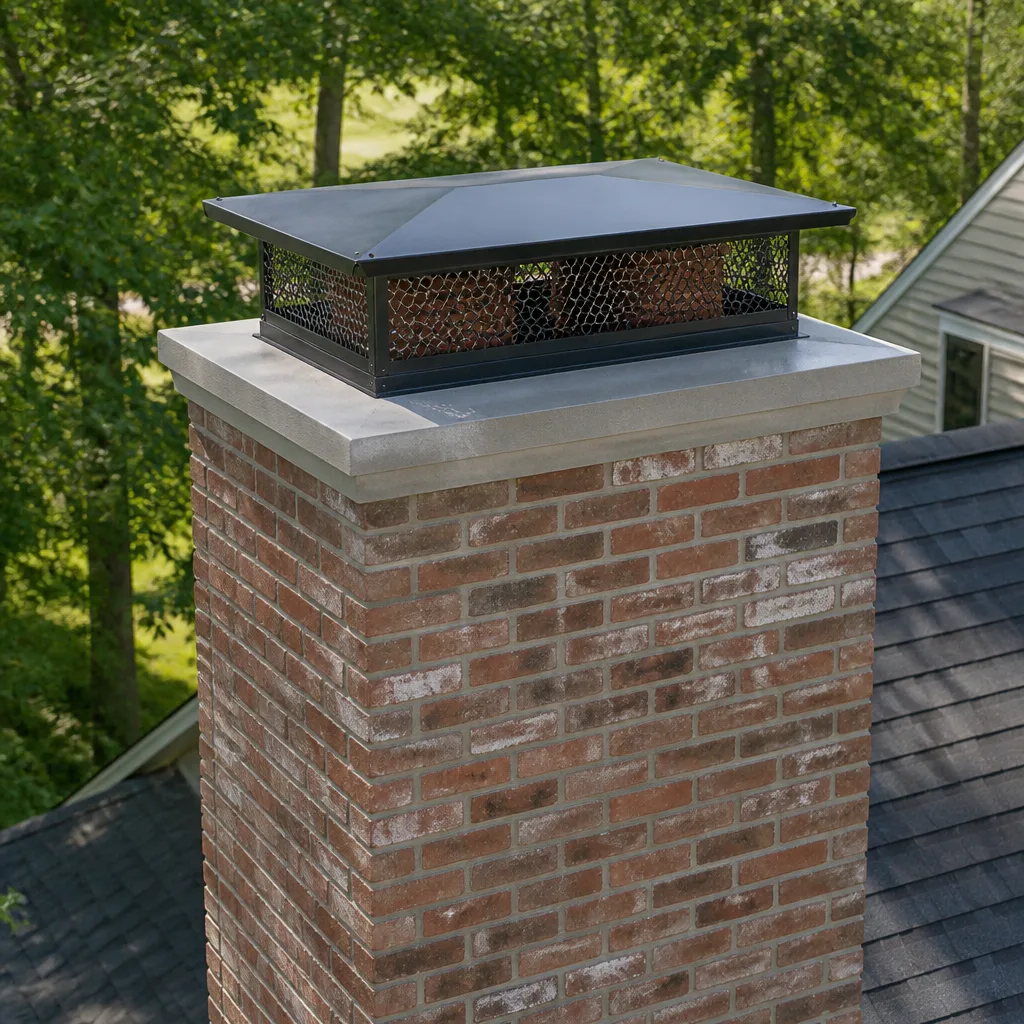 Caps & crowns
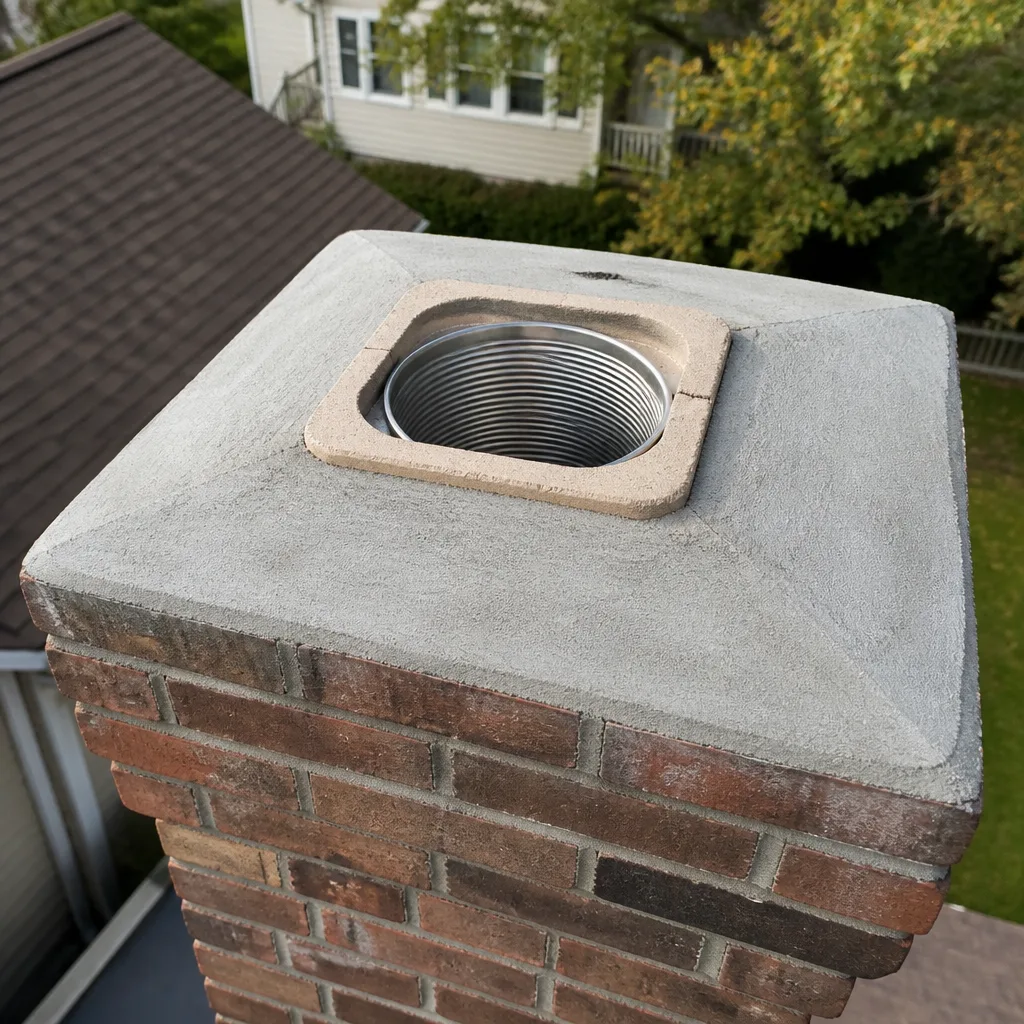 Flue relining
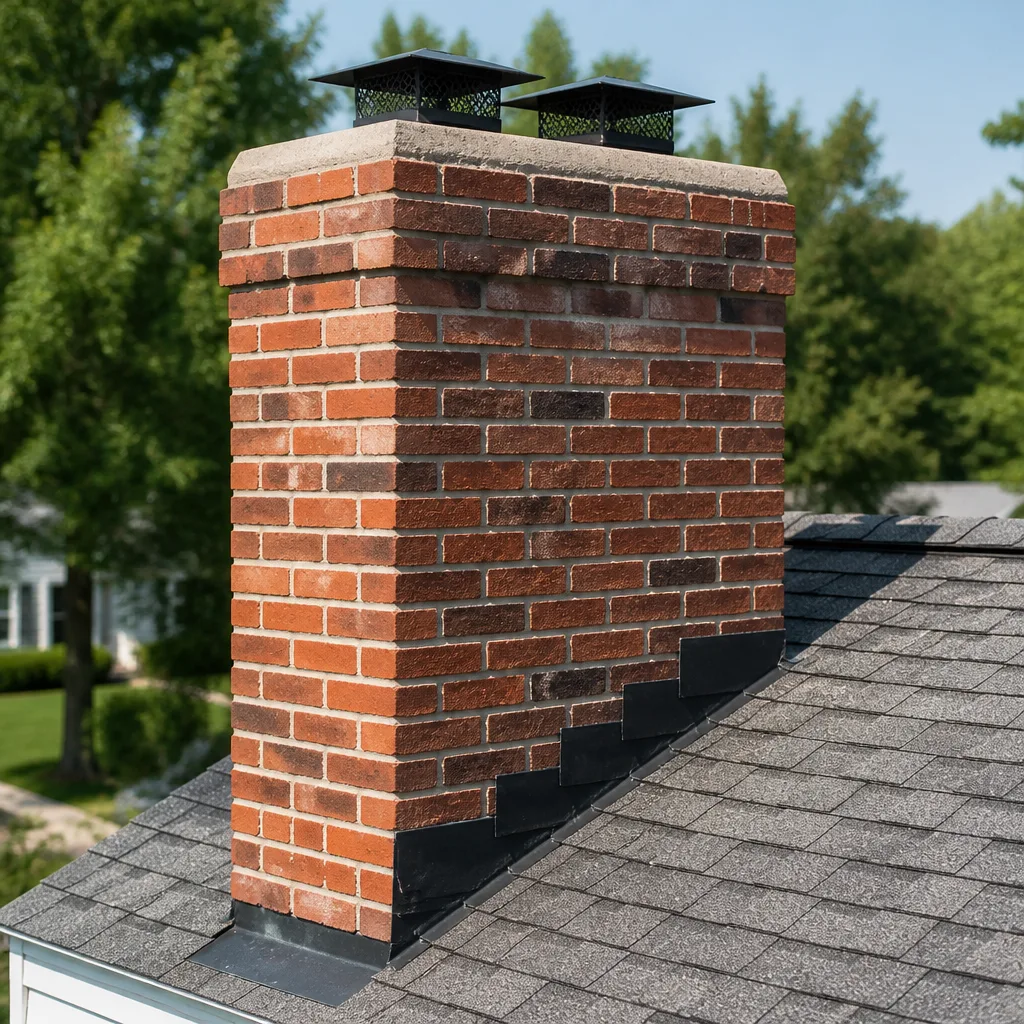 Masonry repair
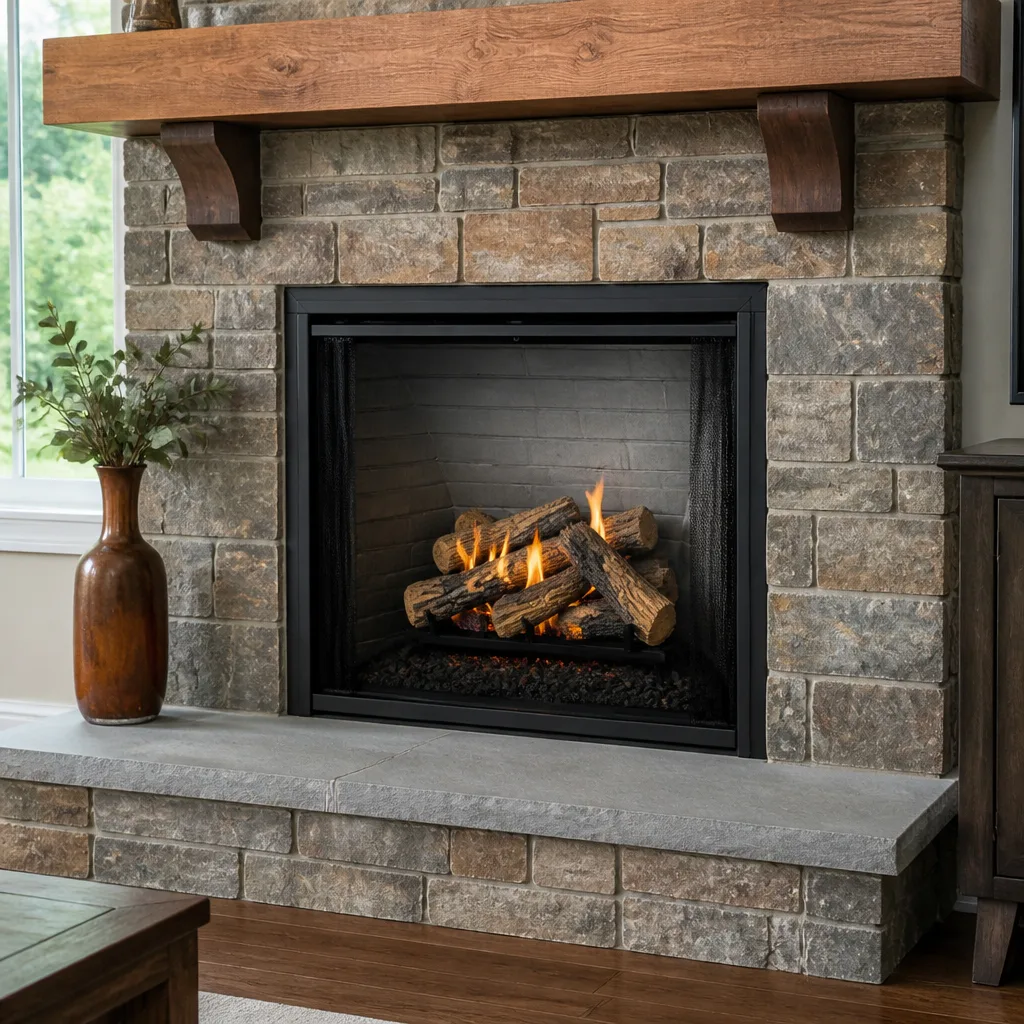 Gas fireplace service
Level 1 sweep and inspection to the NFPA 211 annual standard - flue, crown, cap, and flashing checked and photographed
Chimney sweep logs do not sweep chimneys. They loosen some creosote - which then falls where a brush and vacuum still have to collect it.
Chimney Cleaning Cost Breakdown: The Flatbush Homeowner’s Reference for 2026
A $99 sweep and a $350 sweep are not the same job with different margins. They typically include different equipment, different inspection depth, and different documentation. A Flatbush homeowner who compares those two numbers on price alone is really comparing a brush-out against a documented assessment of the whole flue, and the gap between them isn’t profit. It’s what got left out. We wrote this guide to break down what each line on a chimney cleaning quote actually represents, what realistic 2026 ranges look like in our corner of Brooklyn, and where the honest spread between contractors comes from. You’ll learn how to read an estimate on its merits instead of its total, and how to tell a lowball from a fair price before you hand anyone a deposit.
Quick Answer
A standard Level 1 chimney sweep for a wood-burning fireplace in Flatbush typically runs $175 to $325 in 2026, depending on the flue condition, roof access, and whether the price includes a documented inspection with photo report. Video camera inspection usually adds $100 to $250 when it’s not bundled. Repairs found during a sweep, from crown patching to liner work, add their own line items and are priced separately. The written estimate sets the final figure, every time.
Styles & brands we work with
- Sweep & inspection
- Caps & crowns
- Flue relining
- Masonry repair
- Gas fireplace service
Table of Contents
- What You’re Actually Paying For in a Standard Sweep
- 2026 Price Breakdown for Flatbush Chimney Cleaning
- Camera Inspection: A Separate Cost, and When It’s Worth It
- Common Repairs Found During Cleaning and What They Cost
- How to Spot a Lowball Quote
- Why Quotes Vary So Much Between Contractors
- Flatbush Homes, Brooklyn Weather, and What It Means for Your Flue
- How to Read Your Estimate Line by Line
What You’re Actually Paying For in a Standard Sweep
A chimney sweep is three jobs stacked on top of each other: labor, equipment, and disposal. Each of those has real cost behind it, and the honest quotes you get will reflect all three. The cheap ones usually shortchange one of them. Understanding the components lets you see which one.
Labor is the biggest piece. A proper sweep on a wood-burning fireplace takes time on the roof, time in the firebox, and time setting up drop cloths so soot doesn’t drift into the living room. Flatbush homes are often tight on roof access, with narrow side yards, steep pitches, or shared walls that make ladder placement awkward. That access work is labor, and it’s why a Flatbush sweep on a rowhouse can take longer than a sweep on a detached home with a wide lawn.
Equipment covers the professional part. A proper sweep uses rotary brushes sized to the flue, a HEPA-filtered vacuum that traps fine soot rather than blowing it back into the room, and drop cloths or mats over the hearth. We use Copperfield tools and materials in sweep and inspection work because they hold up under repeated use and give a cleaner result than the hardware-store kit a shortcut operator might pull out of a bucket. That equipment costs something. Cheap quotes skip it.
Disposal is the part most homeowners never think about. Soot, creosote, and ash have to go somewhere, and local disposal rules apply. A sweep who hauls it out properly is doing real work that shows up as a small line on your bill.
What to look for in the labor line:
- Setup protection – drop cloths, mats, and a vacuum running before the first brush turns.
- Roof access method – a proper ladder setup, not a quick look from the ground.
- Time on the flue – a real sweep takes more than a few minutes.
- Cleanup – the firebox should look better when they leave than when they arrived.
None of these individually add hundreds to your bill. Together, they explain much of the spread between a $99 quote and a $275 one. A quote that skips all four is not a bargain; it’s a different service being sold under the same name.
2026 Price Breakdown for Flatbush Chimney Cleaning
Here’s the range we see for chimney work in Flatbush going into 2026. Treat these as typical estimates only. Every chimney is different, and the written estimate you receive determines your actual price. Use the table to sanity-check a quote, not to negotiate a fixed number.
| Service | Typical 2026 Range | What’s Included |
|---|---|---|
| Standard Level 1 sweep (wood-burning fireplace) | $175 – $325 | Brush-out, HEPA vacuum, visual inspection, basic photo record |
| Level 1 sweep with documented inspection report | $225 – $375 | Everything above plus a written condition report with photos |
| Video camera inspection (added) | $100 – $250 | Camera run of the flue, footage shown to the homeowner |
| Crown repair or repointing | $200 – $650 | Depends on size of the crown and extent of cracking |
| Smoke chamber parging / resurfacing | $400 – $900 | HeatShield or equivalent resurfacing of the smoke chamber |
| Damper replacement | $250 – $600 | Removal and installation of a proper top-sealing or throat damper |
| Liner repair or localized patching | $300 – $900 | Depends on access and extent of the damage |
| Full liner replacement (flexible system) | $2,000 – $4,500 | DuraFlex or equivalent flexible liner sized to the flue |
| Chimney cap installation | $200 – $550 | Famco or Gelco cap sized to the flue, properly sealed |
One note on the lower end of the sweep range. A $175 sweep on a clean flue in good repair is entirely possible in Flatbush. It’s the price for a chimney that doesn’t need much. A chimney with heavy creosote or a tight roof access will land higher, and that’s normal. What matters is that the estimate explains why your job falls where it does on the range.
If you want the full rundown of what a routine service includes, our chimney sweep page covers the process end to end. And if the sweep turns up cap or crown problems, cap and crown work is priced separately and covered on our chimney cap & crown page.
Camera Inspection: A Separate Cost, and When It’s Worth It
A visual inspection is what a sweep does naturally with the eye, a flashlight, and a look up the flue from the firebox and down from the top. A video camera inspection is a different animal: a camera runs the length of the flue and lets both you and the technician see the inside of the liner, the smoke chamber, and the joints.
That camera work costs money as a line item because the equipment costs money and running it correctly takes time. When it’s not bundled into a sweep, expect $100 to $250 as a typical added cost. Whether it’s worth it depends entirely on what the visual inspection finds.
A camera inspection is worth the cost when:
- The chimney has never been inspected since you’ve owned the home, or the liner type is unknown.
- The visual inspection shows flaking, cracking, or creosote glaze inside the firebox or at the smoke shelf.
- You’ve had a chimney fire in the past, however small it seemed.
- You’ve installed a new appliance, changed fuel type, or replaced the stove.
- You see water staining inside the firebox or at the smoke chamber joints.
- You’re buying the home and want a documented baseline before closing.
A visual inspection without the camera is often sufficient when the flue is clean, the liner was recently installed, and nothing on the sweep turned up concerns. We don’t push camera work on chimneys that don’t need it. Our position is simple: we inspect before we recommend. If a technician is telling you the liner is failing, ask to see the footage. Any operator performing honest work will be happy to show you what the camera saw. If the footage isn’t offered, that’s a reason to slow down.
Sometimes the camera finds something the eye can’t: a hairline crack in a clay liner joint, a gap where a connection fitting was never sealed, or a misaligned smoke chamber shelf pulling smoke back into the room. Those are real, and seeing them is how you decide whether to repair now or keep an eye on it. A camera inspection that shows your liner is fine is $150 well spent. A camera inspection that catches a failing joint before it becomes a fire hazard is worth considerably more.
Common Repairs Found During Cleaning and What They Cost
The point of a sweep is not to sell repairs. It’s to find out what’s there. Most Flatbush chimneys we inspect come back clean. Some come back with small issues. A few come back with problems worth fixing now. Here are the repairs that show up most, and what they typically cost.
Liner Patching (Typical: $300 – $900)
A liner with a cracked joint or a small section of failing clay can sometimes be patched rather than replaced. Localized patching is cheaper and, when the crack is truly localized, correct. The catch is that it’s only lasting if the technician is sure the damage doesn’t extend past what’s visible. This is one place where camera evidence earns its stripes. If the footage shows a straightforward crack and no liner-wide wear, patching can be a reasonable repair. If it shows widespread spalling or several failed joints, patching is a bandage and HeatShield resurfacing or a new liner is the honest answer.
Crown Repair or Repointing (Typical: $200 – $650)
The crown is the concrete or mortar cap on top of the chimney. It sheds water away from the flue. When it cracks or pulls away from the flue tile, water gets in. Flatbush chimney crowns take real punishment through the freeze-thaw cycle, and a hairline crack can open fast once water sits in it. Repointing or a crown repair job ranges from a few hundred to over five hundred depending on the size of the crown and how much of it has failed. A full crown replacement costs more. The good news is that crown repair is one of the more affordable fixes on a chimney, and it protects everything under it.
Smoke Chamber Parging (Typical: $400 – $900)
The smoke chamber is the space above the damper, and its corrugated shape is where a lot of creosote collects. When the parging cracks, the uneven surface grows worse and pulls draft badly. Parging the chamber smooths it out and restores the draft, and it’s a routine part of chimney repair rather than a specialty upsell. Our chimney repair page covers parging and the other structural fixes in more detail. HeatShield resurfacing is a common approach here because it gives a smooth, structurally stable surface without tearing the chimney apart.
Damper Replacement (Typical: $250 – $600)
A damper that sticks, fails to seat, or has rusted out will cost you heat, let cold air in when the fireplace is off, and can be a real safety issue if it fails open. A top-sealing damper or a proper throat damper replacement is a straightforward repair. The price runs on the low end for a simple throat unit and toward the high end for a top-sealing damper that has to be fitted carefully at the flue top.
Chimney Cap Replacement (Typical: $200 – $550)
A missing or damaged cap is an open door for water, animals, and debris. We fit Famco and Gelco caps because they’re built to spec, properly sized to the flue, and installed the way the manufacturer intended. A cap that doesn’t seal properly is almost as bad as no cap, so this is one repair where the installation quality matters as much as the part. If you have a cap that’s come loose or rusted through, replace it rather than patch it.
Every one of those repairs should come with photographic evidence. You should be able to see the crack, the failed joint, the rusted damper, or the missing cap before you agree to anything. And in plenty of cases, a repair can safely wait until next season. Our job is to tell you which ones can and which ones can’t, and to point at the evidence when we do.
How to Spot a Lowball Quote
A number that’s much lower than everyone else’s is a signal, not a win. The chimney trade is not a market where a good operator can undercut by 60% and stay in business. If the quote is that far below the others, something didn’t get counted. Here’s what usually got left out.
- No inspection documentation. A legitimate sweep leaves you with a written report and photos. A cheap one brushes and leaves with a verbal “looks fine.” You have no record of the condition of your chimney, which matters at the next sweep, at a home sale, and after any insurance claim.
- Inadequate equipment. Rotary brushes sized to the flue and a HEPA-filtered vacuum are baseline. A hardware-store brush and a shop vac pull soot back into the room and miss creosote that’s baked onto the flue walls.
- No insurance or credentials on request. A state-licensed and insured operator will confirm credentials when asked. One who gets uncomfortable with the question is telling you something.
- A price for the sweep and a separate “inspection” fee added at the door. A quote should be complete before the technician knocks. If the price creeps once they’re in your home, that’s a red flag.
- No professional-grade materials named. If you ask what the crown repair is being done with and there’s no answer, or the answer is “concrete,” keep asking. HeatShield, DuraFlex, Famco, Gelco, Olympia Chimney, and Copperfield are industry names because they perform. A material claim with no brand behind it is a placeholder.
- Pressure to repair on the spot. A technician who finds a real problem should point to the evidence, explain what happens if you fix it later vs. now, and let you think. If the urgency feels manufactured, slow down and get a second quote.
- Cash-only, no written estimate. A written estimate is a document. If a contractor won’t put the scope and the price on paper, that is the whole answer to whether you should hire them.
For context on why we work the way we do, see our Chimney Sweep Flatbush page for the full picture of what we cover.
Why Quotes Vary So Much Between Contractors
Two quotes for the “same” sweep can differ by $100 or more on a Flatbush chimney. That gap isn’t purely profit. It reflects real differences in how the job gets done and the overhead behind it. Here’s what drives the spread.
Certification and training
A technician with formal certification has invested in training and continuing education. It’s not a stamp you buy. A certified sweep knows what a crack in a firebox means versus what’s cosmetic, and that knowledge shows up in the recommendations you get. It also costs money, and it shows up in the price.
Insurance
An insured operator carries general liability and, in most cases, workers’ compensation. That’s overhead. An uninsured operator skips it, which saves them money and exposes you to risk. If your chimney or roof is damaged, or someone is injured at your home, an uninsured operator often leaves you holding the bill. We’re talking about the local pro here, not the company we connect you with. When a technician shows up, ask for proof of insurance or check with the office before the visit.
Professional-grade supply materials
A DuraFlex flexible liner system, HeatShield resurfacing, Famco caps, Gelco caps, Olympia Chimney components, and Copperfield tools and materials all cost more than the generic equivalent. The difference in a crown repair built with HeatShield versus a generic mortar patch is real, and it shows up years later. Cheap quotes cut this corner.
Service documentation
A photo report, a written condition summary, and inspection records take time. That time is priced in. A cheap sweep that leaves you with nothing is cheap because you got nothing.
Access and condition
The physical reality of your chimney matters as much as the operator. A rowhouse in Flatbush with tight roof access and a steep connecting wall takes more setup than a detached home. A chimney with heavy creosote takes more time to clean safely than one that’s been maintained. Condition and access are legitimate parts of the price, and a good estimator accounts for them.
None of this means the highest quote is the fair one. It means the quote you should choose is the one where every line is explained, the materials are named, and the documentation is committed to in writing. A quote of $225 with all of that is a better value than a $150 quote that includes none of it, on every measure that matters to a homeowner.
Flatbush Homes, Brooklyn Weather, and What It Means for Your Flue
Flatbush chimneys don’t live in a laboratory. The climate here shapes what a sweep finds and what a repair costs, and understanding that helps you read your estimate honestly.
Brooklyn’s freeze-thaw cycle is the big driver. Winters swing above and below freezing, sometimes repeatedly within a single week. Any moisture that has worked into crown cracks, failed mortar joints, or the top of the flue expands as it freezes and opens the crack a little wider each time. That’s why a small crack found on a sweep in October can become a crown repair job by spring. It’s also why crown maintenance is worth doing sooner rather than later in Flatbush. The crown is what keeps that water out.
The borough’s housing stock matters too. Many Flatbush homes are older rowhouses and detached houses with clay-lined chimneys that were built to a different standard than today’s, and some have had appliances changed over the years without the flue being resized. A flue sized for a fireplace that now carries a stove can draft poorly, and no brush in the world fixes a sizing problem. That’s a different conversation and usually a different line item. It’s also a common finding when we sweep older Flatbush homes and run a camera to check what’s behind the firebox.
Our technicians have up to 9 years of experience working on Brooklyn chimney systems, and the pattern is consistent: chimneys in Flatbush that get an annual sweep and a periodic crown check need far less repair than chimneys that only get looked at when smoke comes into the room. The cost of maintenance is small compared to the cost of a repair after a missed crack has been freezing and thawing for two winters.
Accessibility is the other local factor. Narrow side yards, shared walls, and tight roof lines in Flatbush mean setup takes longer. A sweep that’s quick on a suburban house with an open lawn may take 30 to 45 minutes longer on a Flatbush rowhouse. That’s overhead on the price, not padding. Any honest estimator prices it in from the start.
How to Read Your Estimate Line by Line
Here’s a simple method for reviewing any chimney estimate you receive. Read the number at the bottom last. Read the scope first. If the scope is thin, the number doesn’t matter.
- Read the scope before the price. The scope should say exactly what’s being done: sweep of the flue, visual inspection, camera inspection if included, photos, written report. If a line item is vague, ask what it covers.
- Confirm inspection is in the base price. A sweep price that excludes inspection is not a sweep price; it’s a brush-out. Ask directly whether inspection and documentation are included.
- Check the materials by brand. A crown repair should name what it’s being built with (HeatShield, for example). A liner should name the system (DuraFlex, for example). A cap should name the manufacturer (Famco or Gelco). If the estimate only says “materials included,” that’s worth a follow-up.
- Confirm the price is flat. The number on the estimate should be the number you pay for the stated scope. Ask whether there are any conditions under which the price changes. The answer should be no, except where the technician finds something that requires a change in scope, in which case you get a new written estimate.
- Note what’s not included. Find out what happens if the sweep turns up a needed repair. Repairs should always be quoted separately and in writing, never added to the sweep price on the day.
- Ask about the camera evidence rule. Any technical recommendation should come with photos you can see. If the estimator can’t commit to that in writing, that’s a good sign the documentation won’t appear.
- Get the estimate in writing and keep it. A printed or emailed estimate is the record of what was agreed. If the technician can’t produce one, that’s the answer.
We offer chimney inspection as a standalone service with no obligation to book any repair. That way you get a documented, honest assessment of your chimney before you decide what to do next. The inspection report is yours, photos included. If the chimney is fine, the report says so. If there’s something that can wait, it says that too. If there’s something that can’t, you’ll see exactly why.
Common Mistakes to Avoid
- Choosing the cheapest quote without reading the scope. A $99 sweep that excludes inspection isn’t cheaper than a $225 sweep that includes it; it’s a different product. Compare what’s actually being done before you compare the totals.
- Accepting a verbal inspection report. Photos and a written condition record matter for the next sweep, for a home sale, and for any insurance conversation. Insist on documentation. It’s the difference between a service and a sketchy favor.
- Approving a repair without seeing the evidence. If a technician tells you the liner is failing, ask to see the camera footage or the photos. A technician who can demonstrate the problem will be happy to. One who can’t is worth doubting.
- Skipping the annual sweep during warm months. Flatbush chimneys don’t take summers off. Moisture works into cracks through the warm season, and by the time you light the first fire in fall, the damage from the summer is already done. Book the sweep early in the season, not after the first cold snap.
- Patching a crown instead of repairing it properly. A tube of caulk on a hairline crown crack is not a crown repair. It’s a delay tactic. In Flatbush’s freeze-thaw cycle, a patch job turns into a bigger repair the following winter. HeatShield or proper mortar work costs more up front and less over time.
- Installing a cheap cap “just to close it up.” A cap that doesn’t fit or doesn’t seal properly can block draft or trap moisture. Famco and Gelco caps are sized to the flue and installed to spec; a generic cap from a hardware store rarely is. The savings on a cheap cap disappear the moment it creates a draft problem.
- Assuming a newer-looking chimney doesn’t need attention. Plenty of Flatbush homes have had a chimney exterior repointed or restuccoed without the liner ever being checked. What shows outside doesn’t tell you what’s inside. The camera does.
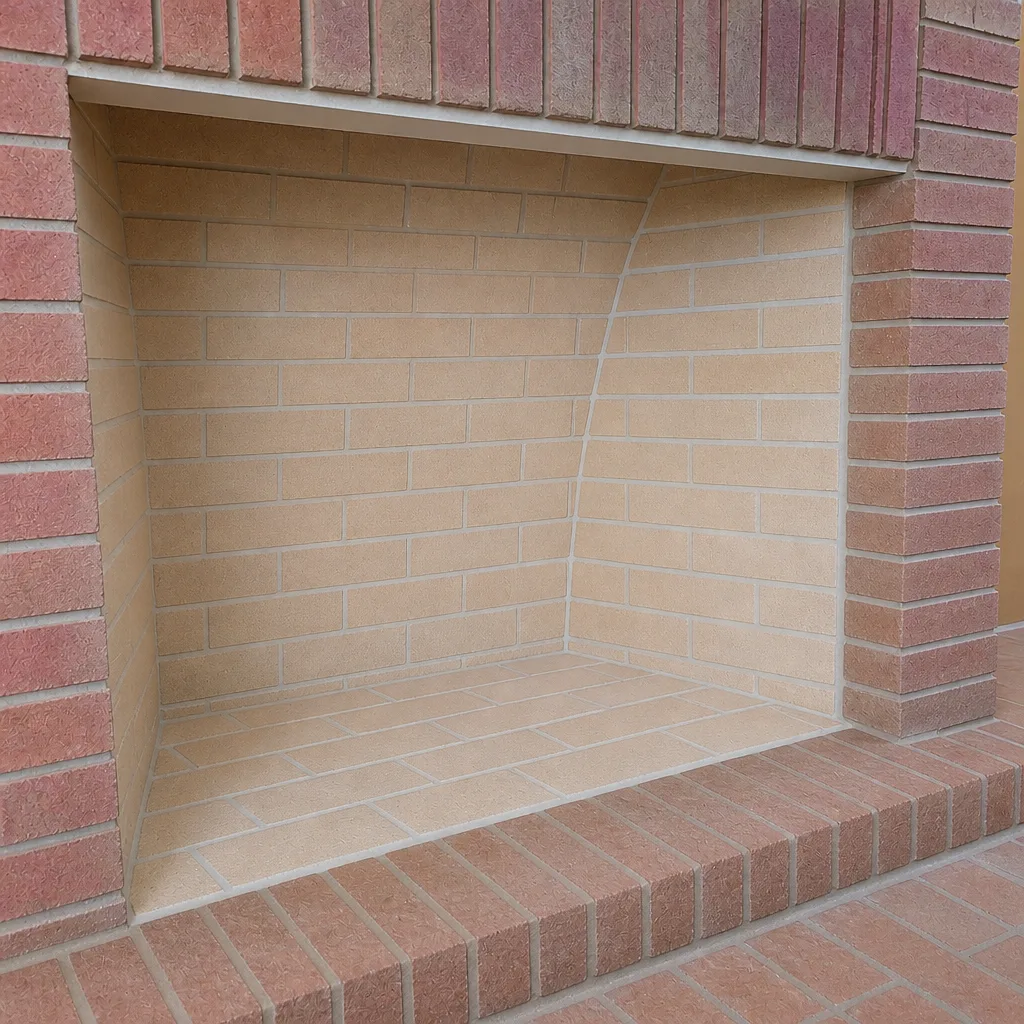
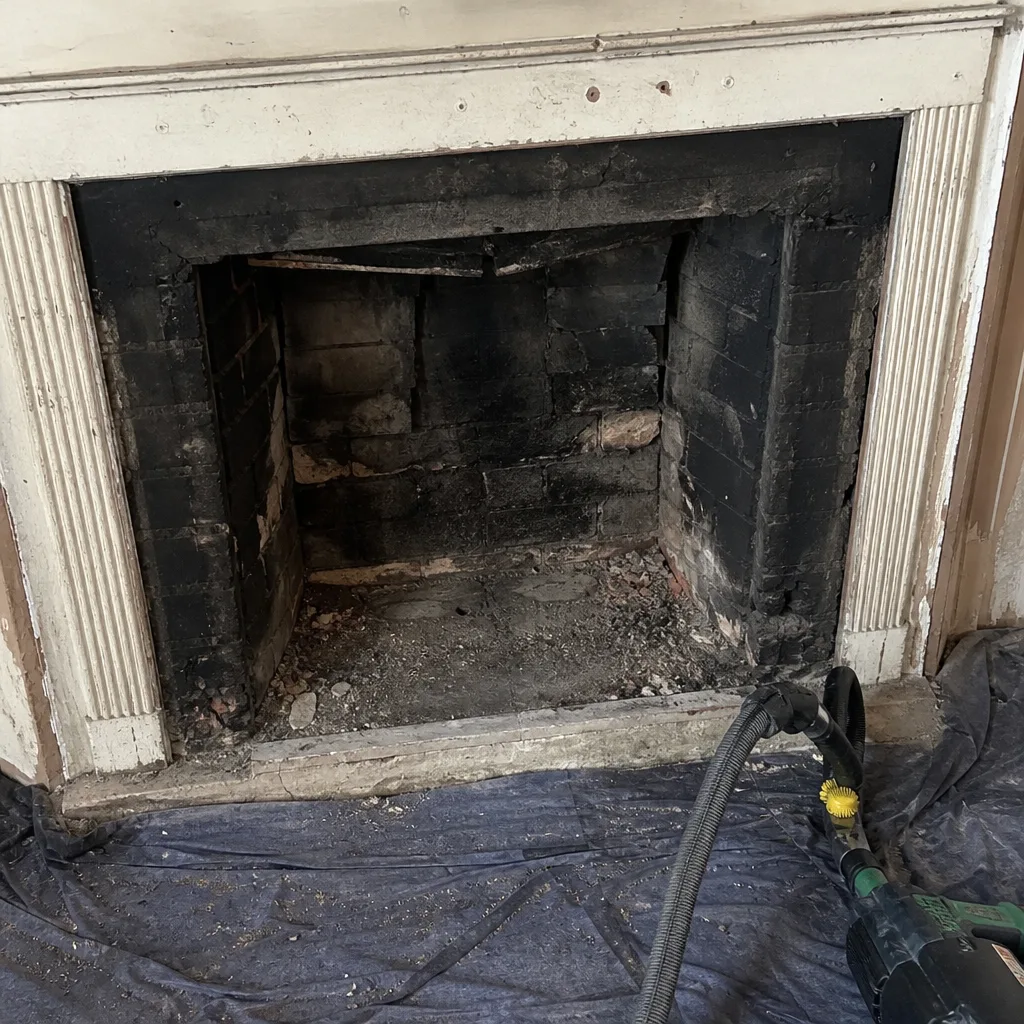
See the difference
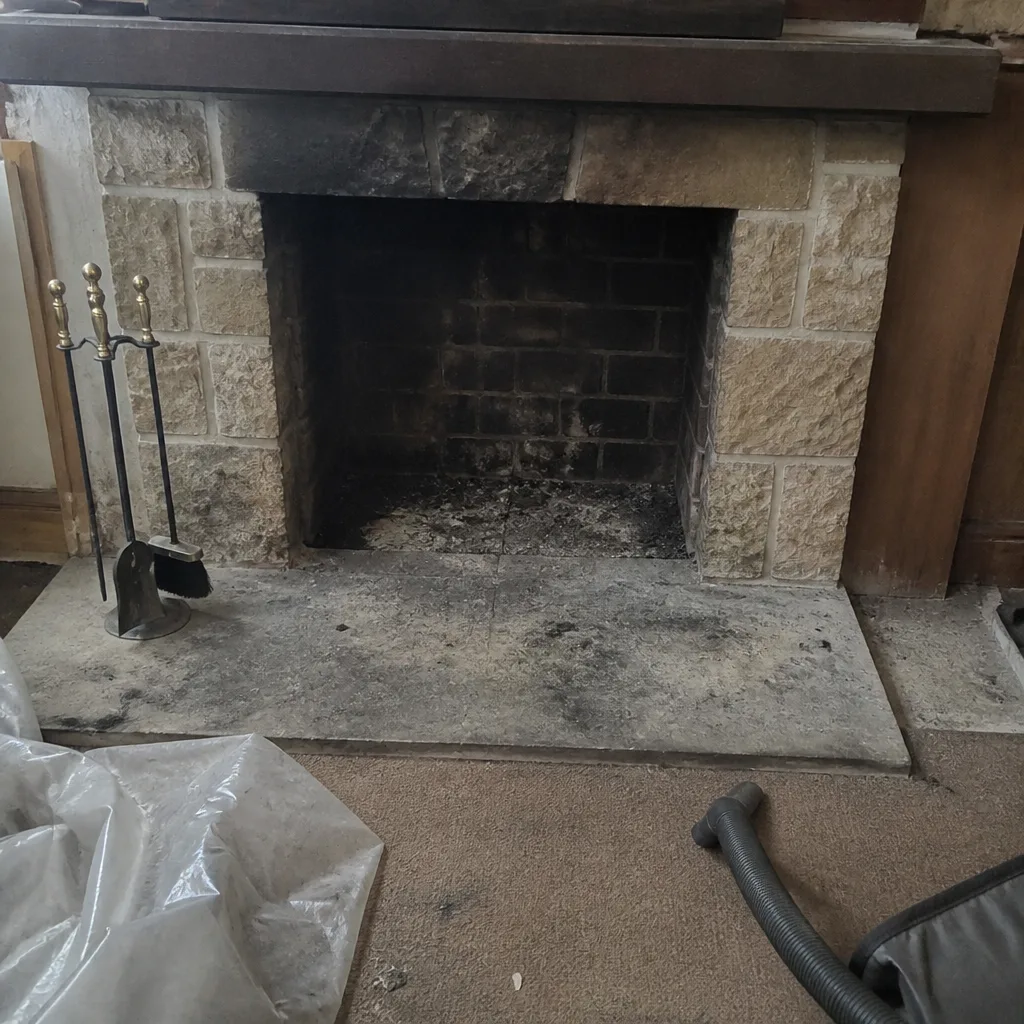 Before
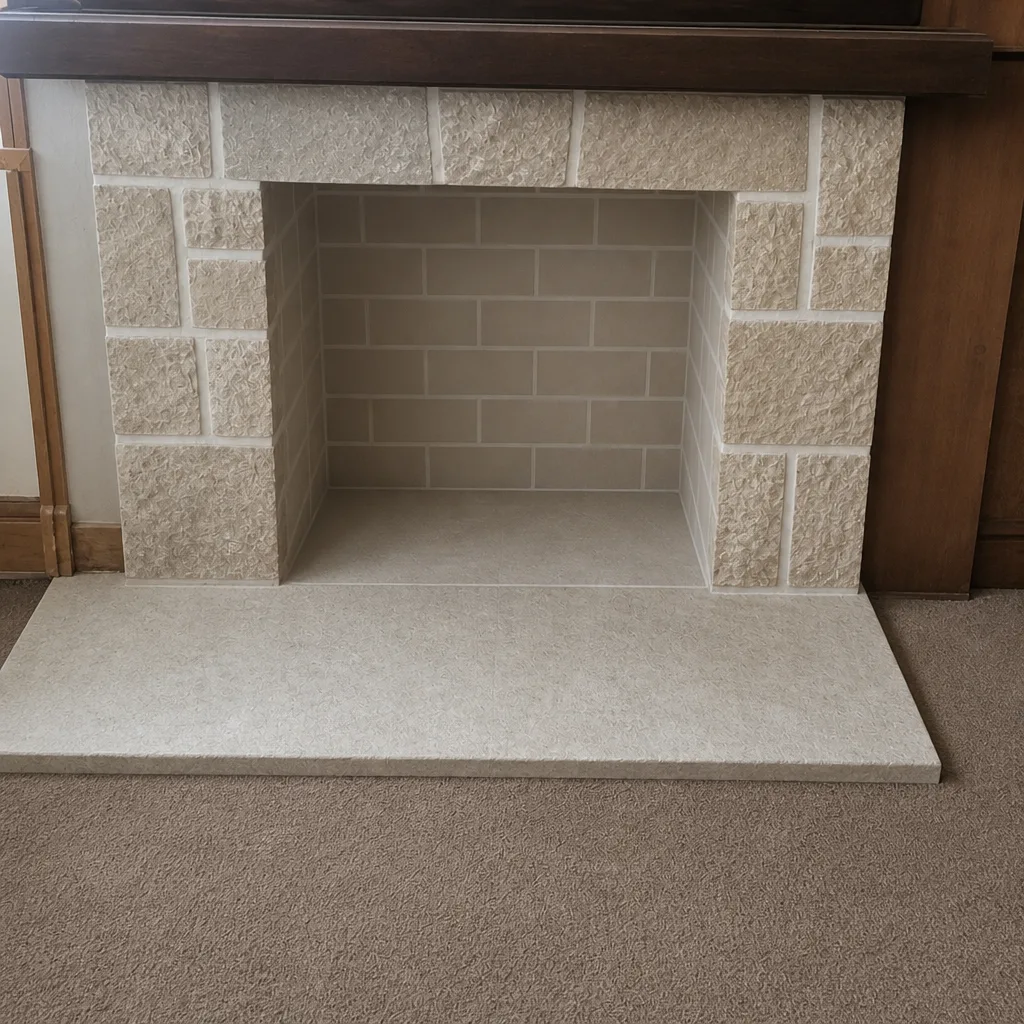 After
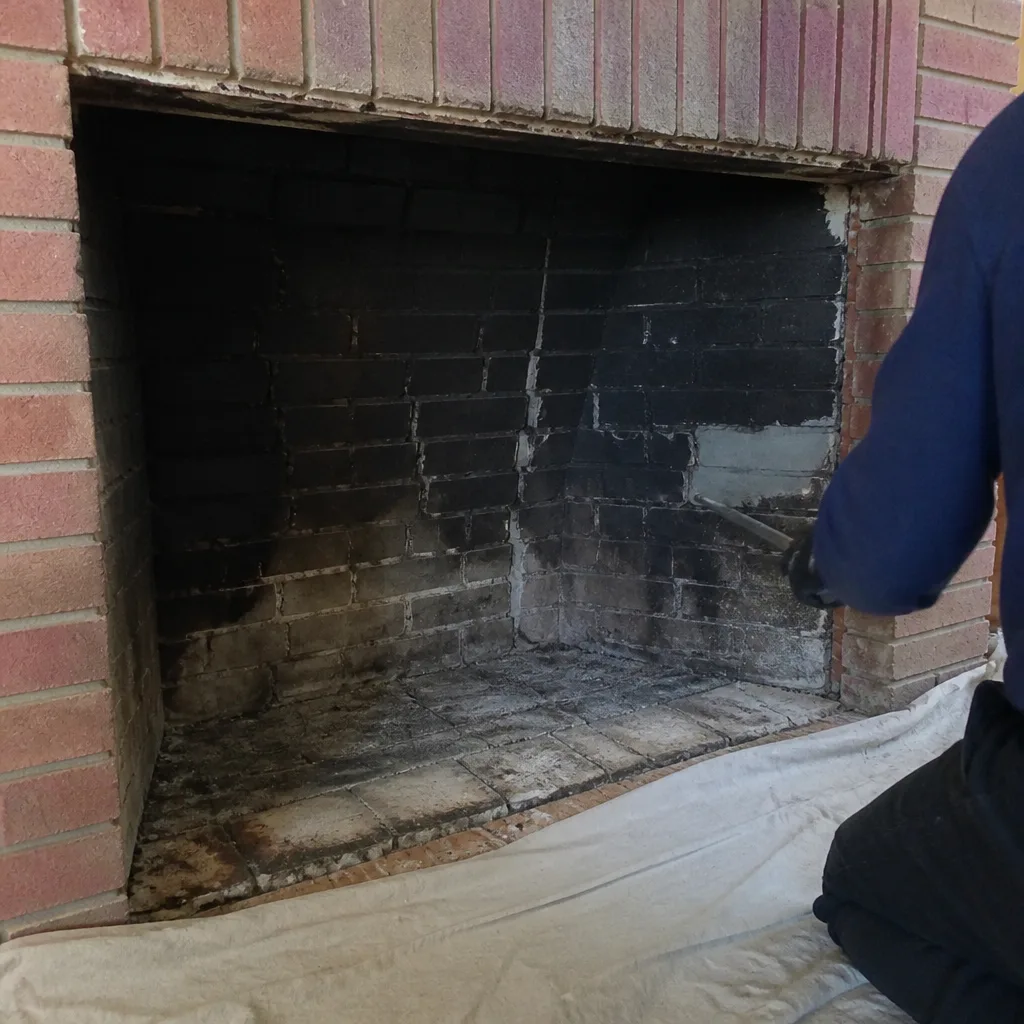 Before
 After
 Before
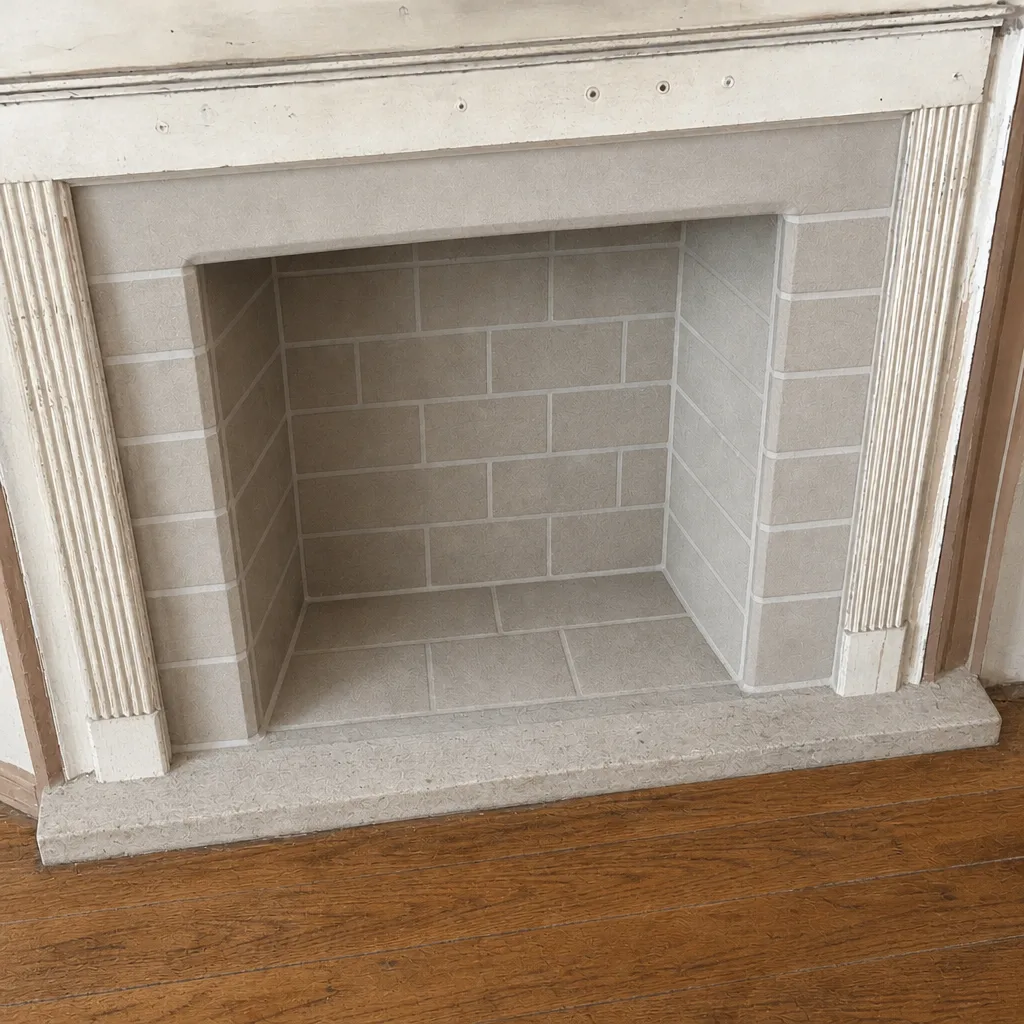 After
When to Call a Professional
Most chimney maintenance can be scheduled at your convenience. But some situations need attention before the next fire, and it’s worth being explicit about which ones.
Call a professional if:
- You smell a strong, sharp, or acrid odor from the fireplace even when it’s not burning.
- Smoke rolls into the room when you burn, rather than going up the flue.
- The firebox shows staining, flaking, or white deposits on the brick.
- You’ve had a chimney fire, even a small one you think put itself out.
- You see cracked or missing mortar joints at the firebox, smoke chamber, or crown.
- Your damper doesn’t close fully or feels loose in the frame.
- You haven’t had the chimney inspected in over a year of using the fireplace.
Soot, creosote, and a failing liner are not cosmetic issues. Creosote is combustible, and a flue lined with it is a real fire risk. Carbon monoxide can back up into a home through a failing flue or blocked smoke chamber. This isn’t scare language; it’s the reason professional sweeps exist. And it’s why we recommend a trained technician whenever the stakes are on the flue rather than a brush you can find at a hardware store. Chimney Sweep Flatbush offers free estimates in Flatbush – call (866) 937-7157. We answer 24/7 and dispatch fast from 7am to 7pm, Sunday through Friday.
Frequently Asked Questions
A standard Level 1 chimney sweep in Flatbush typically costs $175 to $325 in 2026, depending on flue condition, roof access, and whether a documented inspection is included. Sweeps with a written photo report usually land toward the higher end of the range, and camera inspection is often a separate $100 to $250 when it’s not bundled. Call (866) 937-7157 for an exact quote. Estimates are free.
Patching is enough when the damage is truly localized and the rest of the liner is sound; when the camera shows widespread cracking or failing joints, patching won’t hold and a new liner or HeatShield resurfacing is the honest fix. The only way to know which situation you’re in is a camera inspection with footage you can see yourself. We won’t recommend a liner without showing you why. Call (866) 937-7157 to book a standalone inspection.
Most wood-burning fireplaces need an annual sweep and inspection. Chimneys with heavier use, or with a stove as the primary heat source, may need inspection during the season as well. Soot and creosote build up faster than most homeowners realize, and the annual check is how you catch a crown crack or failed joint before the Flatbush freeze-thaw cycle turns it into a bigger job. Call (866) 937-7157 to schedule.
Creosote builds up in the flue, and creosote is combustible: a flue lined with it is a real chimney fire risk. Alongside that, small cracks in the crown and liner go unchecked through a winter of freezing and thawing, and what would have been a minor repair becomes a significant one. The annual sweep is the least expensive part of owning a chimney. Call (866) 937-7157 for a free estimate.
A visual inspection is the trained eye from the firebox and from the roof; a camera inspection is a camera run through the full length of the flue, giving you a view of what the eye can’t reach. The camera costs money to buy, maintain, and run properly. Whether it’s worth it depends on what the visual inspection finds; for a working flue with no visible concerns, the visual usually suffices, and for anything uncertain, the camera is the honest answer. Call (866) 937-7157 to discuss whether your chimney needs one.
They should be flat. The written estimate sets the price for the scope listed, and if the sweep turns up a repair that wasn’t in scope, that repair gets its own written estimate. Any quote that changes after the technician is in your home, without a written revision, is one to ask questions about. Call (866) 937-7157 for a free, written estimate before you book.
The Bottom Line
The spread between the cheapest chimney quote and a fair one in Flatbush is not a difference in margin. It’s equipment, inspection depth, documentation, and materials. A sweep that comes with photos, a written report, and a proper camera check when one is needed is a different service from a brush-out, even when both say “chimney sweep” on the invoice. Read the scope before the total. Ask to see the evidence for any repair. And recognize that a crown repair this year is cheaper than a crown replacement after two more winters of freeze-thaw damage. Whether the chimney needs work now or can safely wait until next season, we’ll show you why, and we’ll put it in writing.
Contact us: Call (866) 937-7157 for a free estimate. We answer 24/7, and fast dispatch runs 7am to 7pm, Sunday through Friday. Whether you need a routine chimney sweep, a documented inspection, or a repair, you’ll see the evidence before you make a decision.
Written by the team at Chimney Sweep Flatbush.