
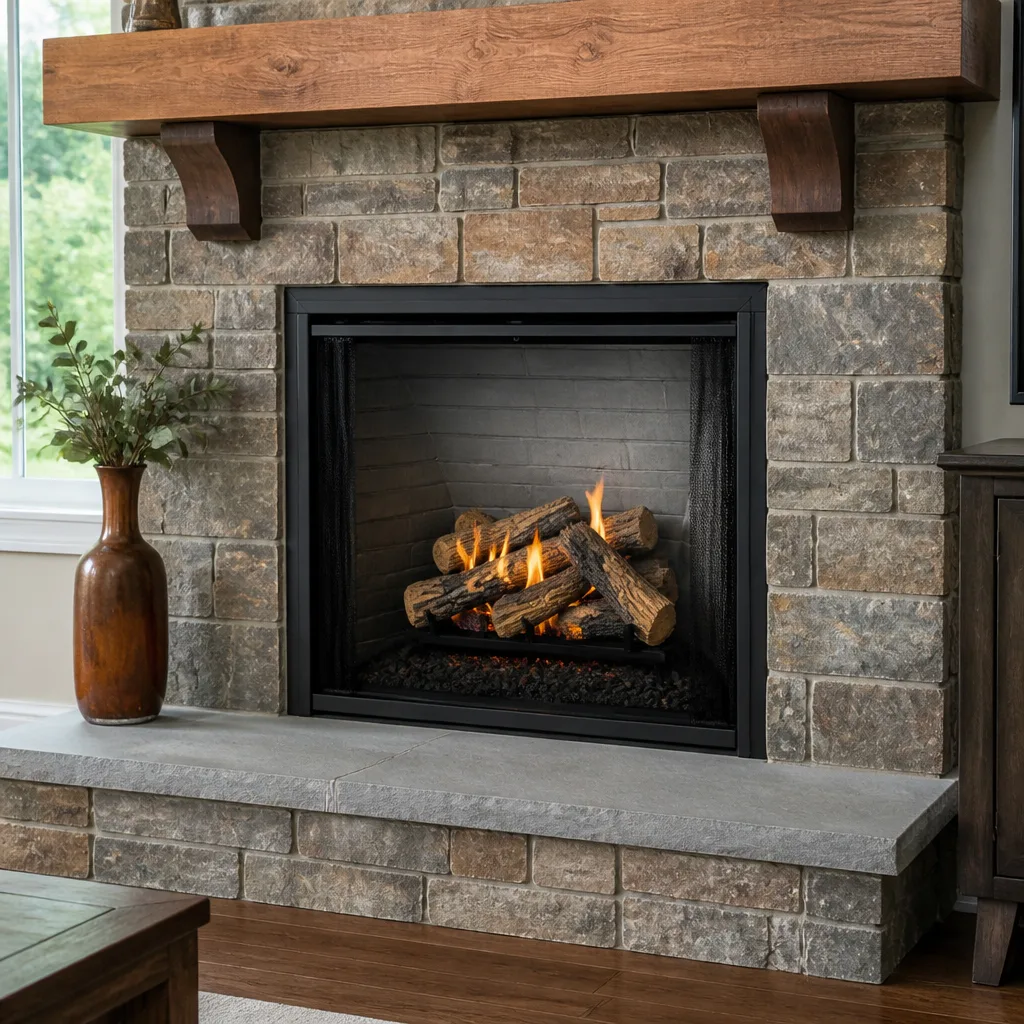
 Gas fireplace service
 Sweep & inspection
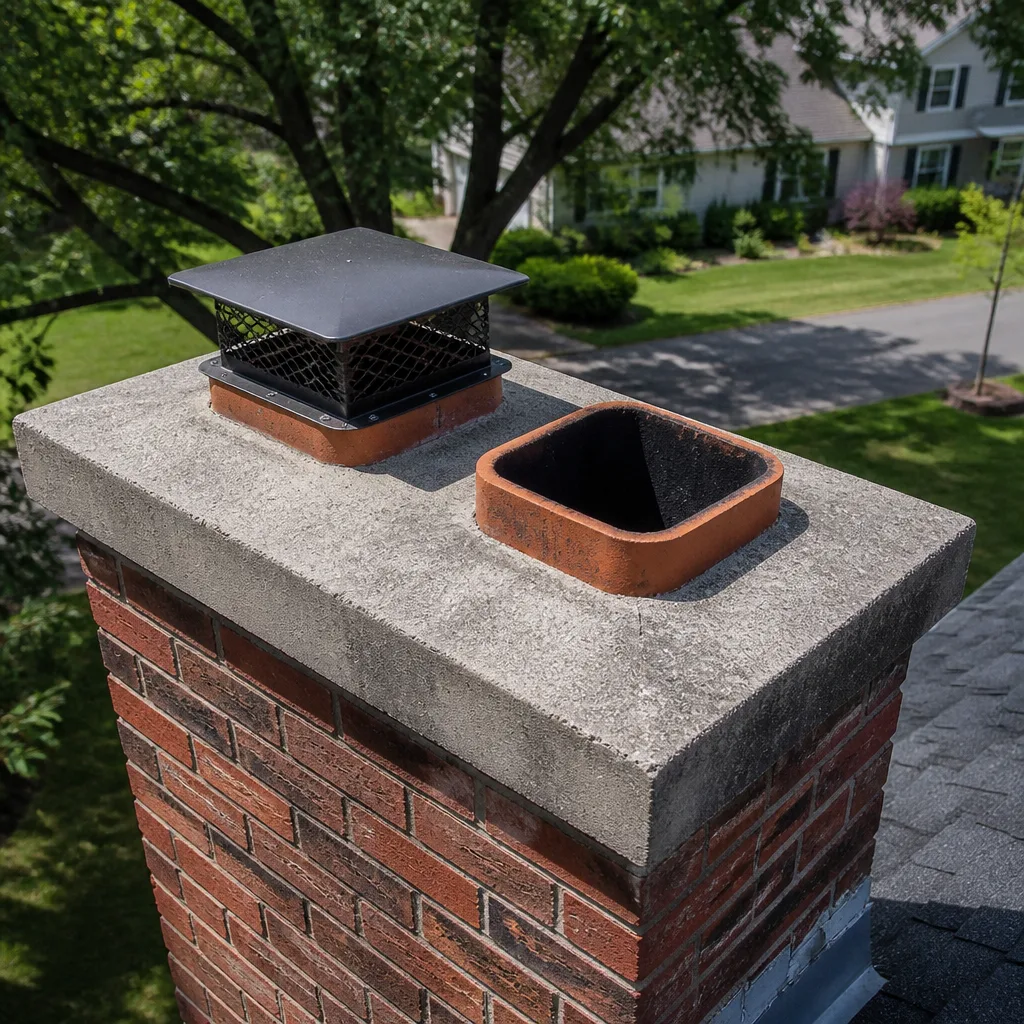
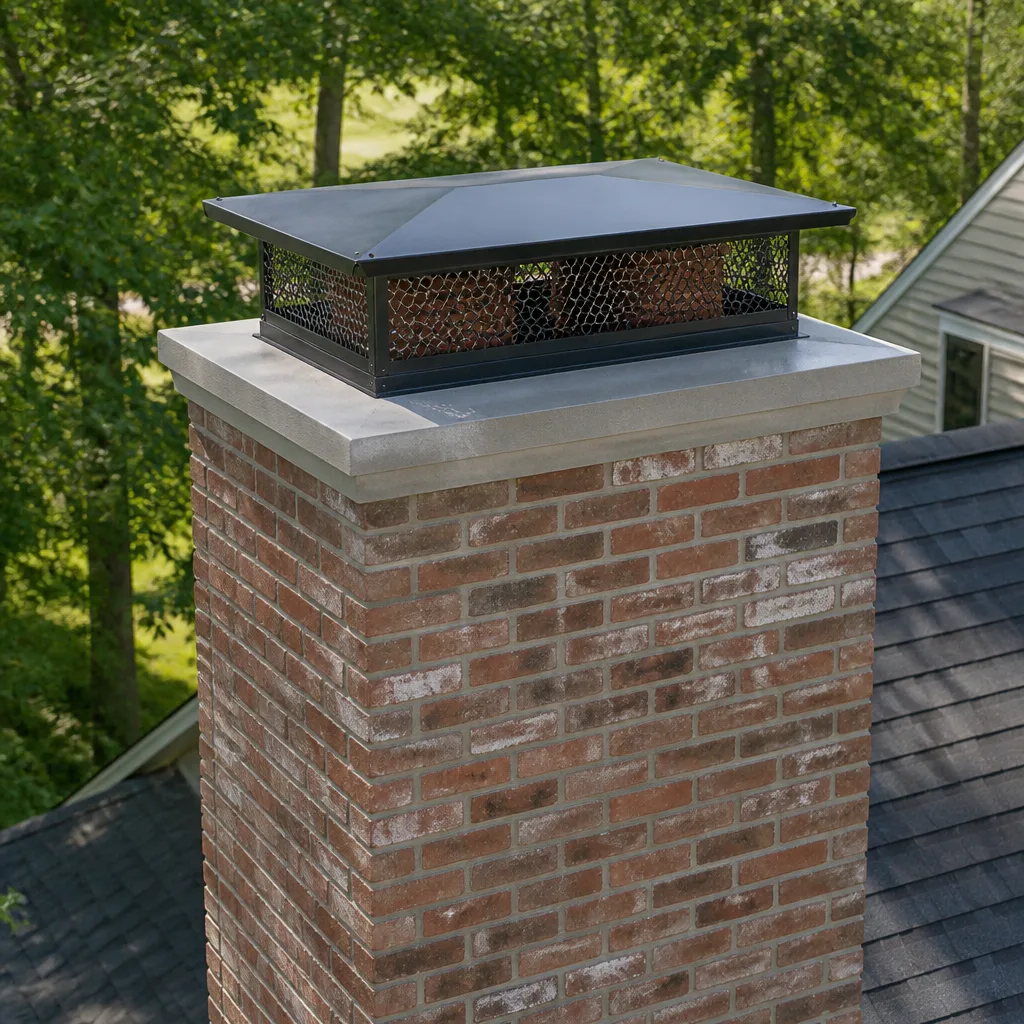 Caps & crowns
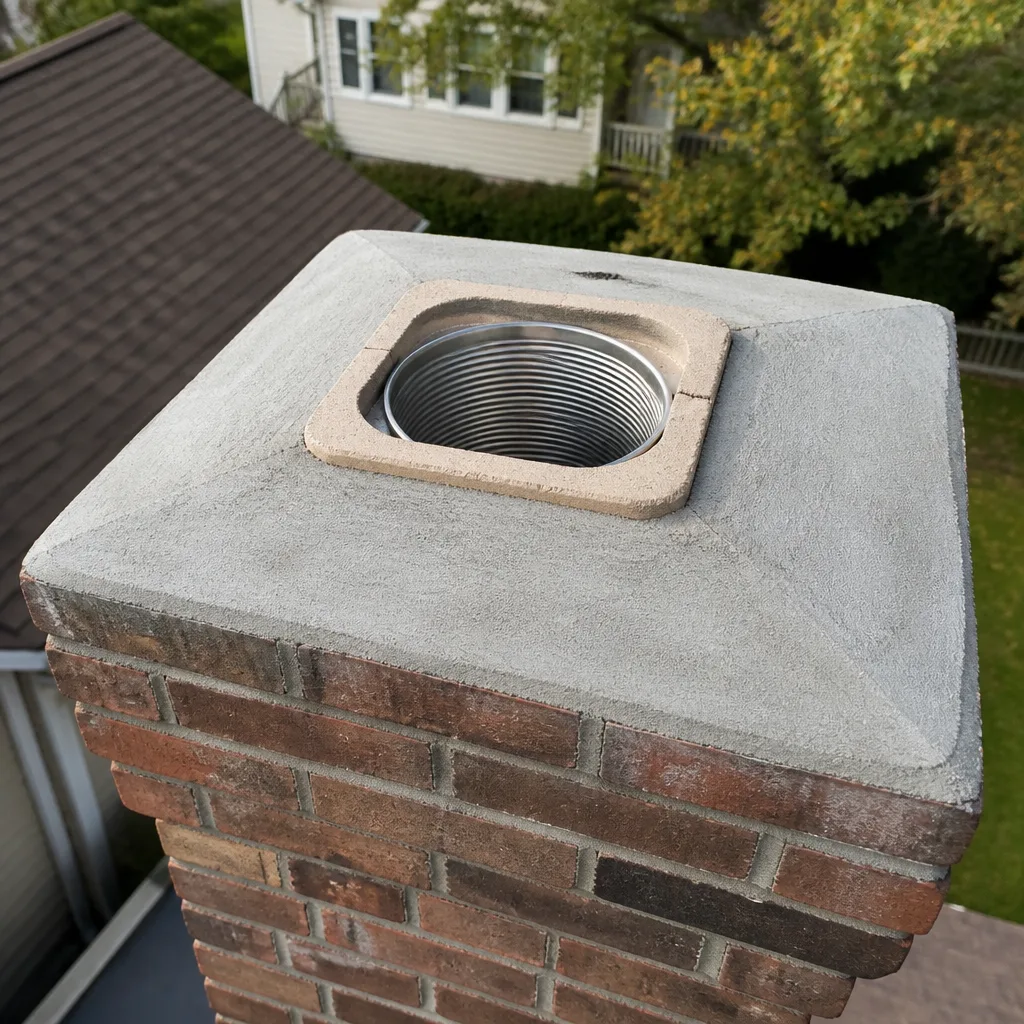 Flue relining
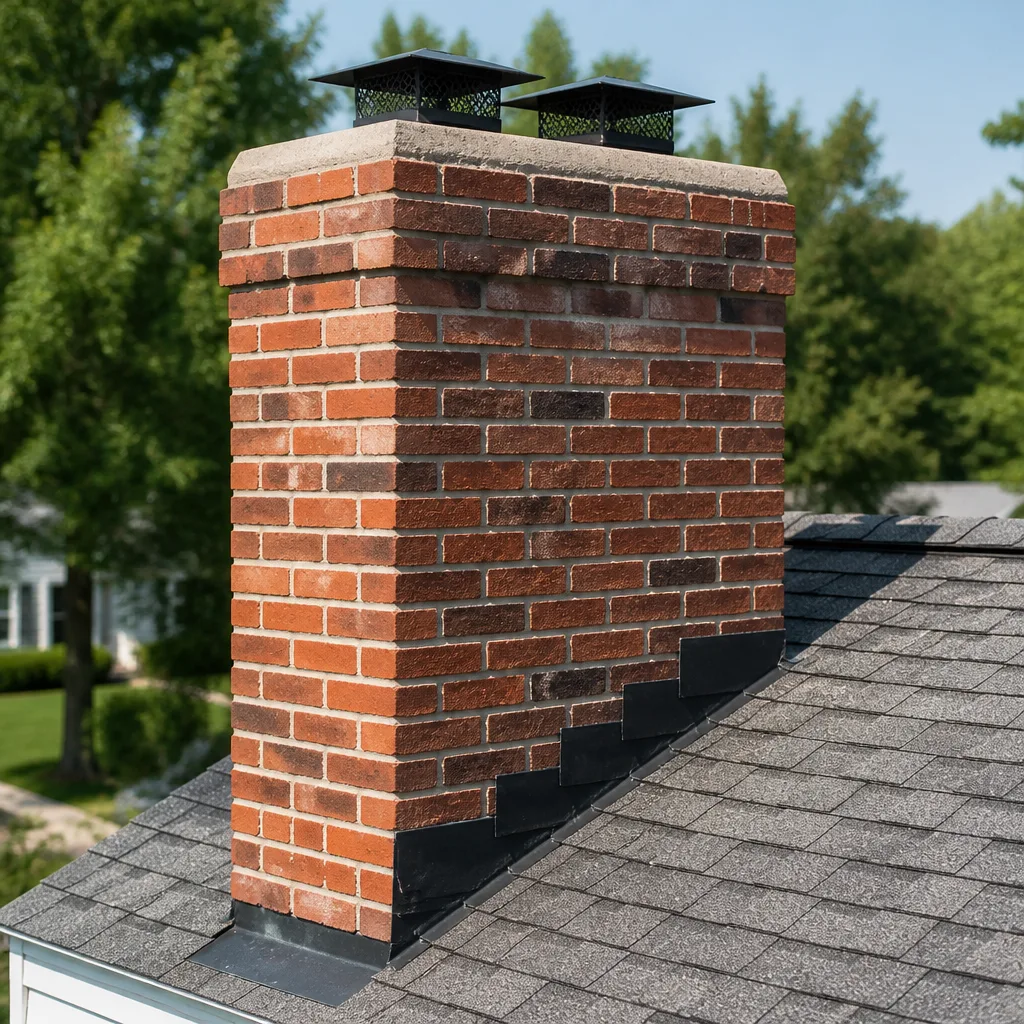 Masonry repair
Level 1 sweep and inspection to the NFPA 211 annual standard - flue, crown, cap, and flashing checked and photographed
Chimney sweep logs do not sweep chimneys. They loosen some creosote - which then falls where a brush and vacuum still have to collect it.
Why Flatbush Homeowners Choose HeatShield Chimney Cleaning
We provide independent HeatShield chimney service in Flatbush, and what sets our work apart is matching each flue to the correct HeatShield system rather than reaching for generic mortar. That means ShieldCrown on a cracked crown, ShieldFlue on a clay tile flue, and Resurfacer on a firebox, each applied after the prep the material actually needs. We’re an independent service company. We’re not affiliated with, authorized by, or endorsed by HeatShield, and we don’t claim to be. What we bring is technician experience with these systems and a habit of inspecting before recommending anything. Flatbush’s rowhouses and Victorians ask for that discipline. Call (866) 937-7157 to talk through what your chimney needs.
Key Takeaways
- HeatShield is a flue resurfacing product, and correct application depends entirely on prep and product matching.
- We’re an independent HeatShield service provider, not a HeatShield dealer or authorized agent.
- We inspect with a camera first and show you what we find before quoting any resurfacing work.
- Flatbush’s 1890-1930 masonry and hard winter heating load are the two factors that shape most of the work here.
Why Trust Chimney Sweep Flatbush for Your HeatShield Chimney Cleaning?
Our technicians have up to 9 years of experience with ceramic and refractory cement systems, and that experience shows most in the prep stages most people never see. HeatShield products are unforgiving of shortcuts. ShieldFlue needs a flue that’s been swept clean and primed before it goes on. ShieldCrown needs a crown top cleaned back to sound masonry. Resurfacer needs a substrate that’s been keyed, not coated over soot. We treat those steps as the job, not as the part before the job.
We use the HeatShield system components specified for each application because substitutions change how the material cures and how it bonds to clay and firebrick. A generic refractory mortar isn’t the same chemistry, and on a flue in a century-old Flatbush rowhouse, that difference matters within a heating season or two.
Every job starts with a documented inspection. We photograph what the camera sees, show you the footage, and explain what it means in plain terms. If the answer is that your flue doesn’t need resurfacing yet, we say so. Nothing we recommend is based on a guess about what might be behind the tile.
The local pro who carries out the work is licensed and insured as their state requires. If you’d like to know more before booking, call (866) 937-7157 and we’ll walk through it.
Styles & brands we work with
- Sweep & inspection
- Caps & crowns
- Flue relining
- Masonry repair
- Gas fireplace service
Common HeatShield Chimney Cleaning Problems We Fix in Flatbush
The problems below come up again and again when HeatShield work was applied too fast, over dirty surfaces, or with the wrong material for the flue. Here’s what each one looks like and why it happens.
- ShieldFlue cement delaminating from clay tiles. When a flue wasn’t swept and primed properly before the coating went on, the cement can’t grip the tile face. It releases in thin, sheet-like flakes that collect on the smoke shelf and narrow the flue. Homeowners usually notice crumbs of grey material and a faint musty smell after rain. The fix is a full sweep and creosote removal, re-prepping the flue correctly, then reapplying the right HeatShield flue system. If the tiles underneath turn out to be cracked, we’ll tell you plainly that relining is the honest answer.
- ShieldCrown cracking at the crown-to-flue bond. A crown mixed too stiff, or applied over a crown top that wasn’t cleaned and prepared, tends to crack right where it meets the flue collar. That reopens the water path into the smoke chamber. In Flatbush, freeze-thaw cycles and nor’easters push water into every seam they can find, so a hairline crack at the collar becomes a leak you notice on the firebox ceiling.
- HeatShield Resurfacer spalling or powdering in a firebox. Repeated overheating cycles will break down a resurfacer coat that was applied over soot or onto a substrate that wasn’t keyed. The coating powders, flakes, and leaves the brick underneath exposed to further heat cycling. Correct prep and the right formulation are what prevent it.
- Refractory mortar joints shrinking at firebrick and damper frames. Joints between firebrick, and at the damper frame, can open up after a few heating seasons. Once a joint opens, creosote and moisture migrate behind the repair and the mortar loses its hold. That’s a joint that needs to be cut back and repointed with the specified refractory mortar, not patched over.
- Resurfacing used where the flue has lost tile integrity. A cosmetic HeatShield coat over a flue with broken or displaced tiles won’t hold, and it hides a real venting problem behind a fresh-looking surface. On Flatbush’s party-wall chimneys, where the stack is often shared with the neighbor, that’s a problem that can affect both sides of the wall. We check both when the stack is shared.
HeatShield Parts & Our Repair-vs-Replace Approach
We use genuine HeatShield system components, meaning ShieldCrown, ShieldFlue, Resurfacer and the specified refractory mortar, because each one is formulated for its substrate. We don’t stock or carry OEM HeatShield parts, and we’re not a HeatShield dealer. What we do is source quality parts that fit the system and install them correctly. Substituting a generic cement into a ShieldFlue or ShieldCrown job changes cure behavior and adhesion, and it’s not a saving worth taking.
Repair versus replace comes down to the condition of what’s underneath. If the clay tiles are sound and the problem is a failed coating or an unprepared surface, resurfacing is the right call and it holds. If the tiles are cracked, shifted, or missing chunks, no amount of HeatShield will make that flue safe. In those cases the honest recommendation is relining or rebuilding, and we’ll show you the camera evidence behind that call. If the work can safely wait a season, we’ll say that too.
If you’re unsure what condition your flue is in, call (866) 937-7157 and book an inspection. Estimates are free.
See the difference
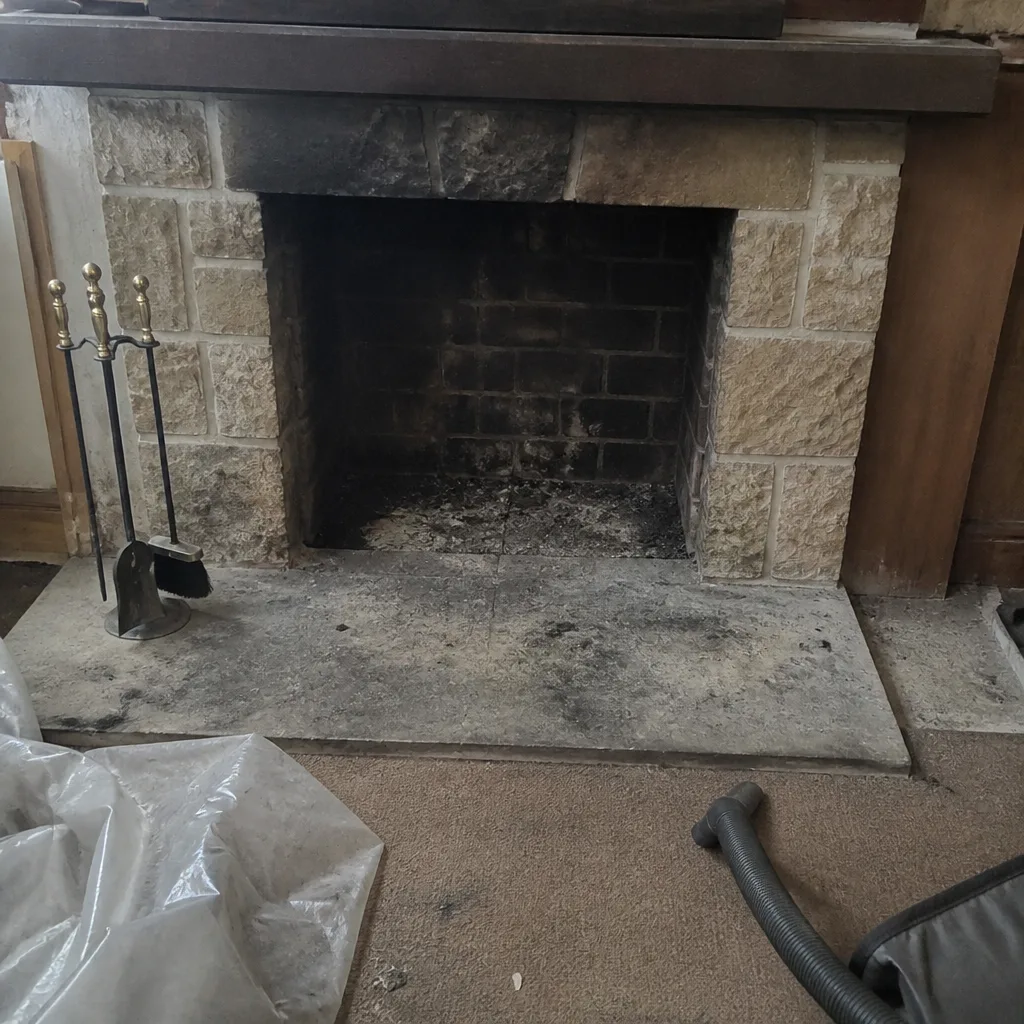 Before
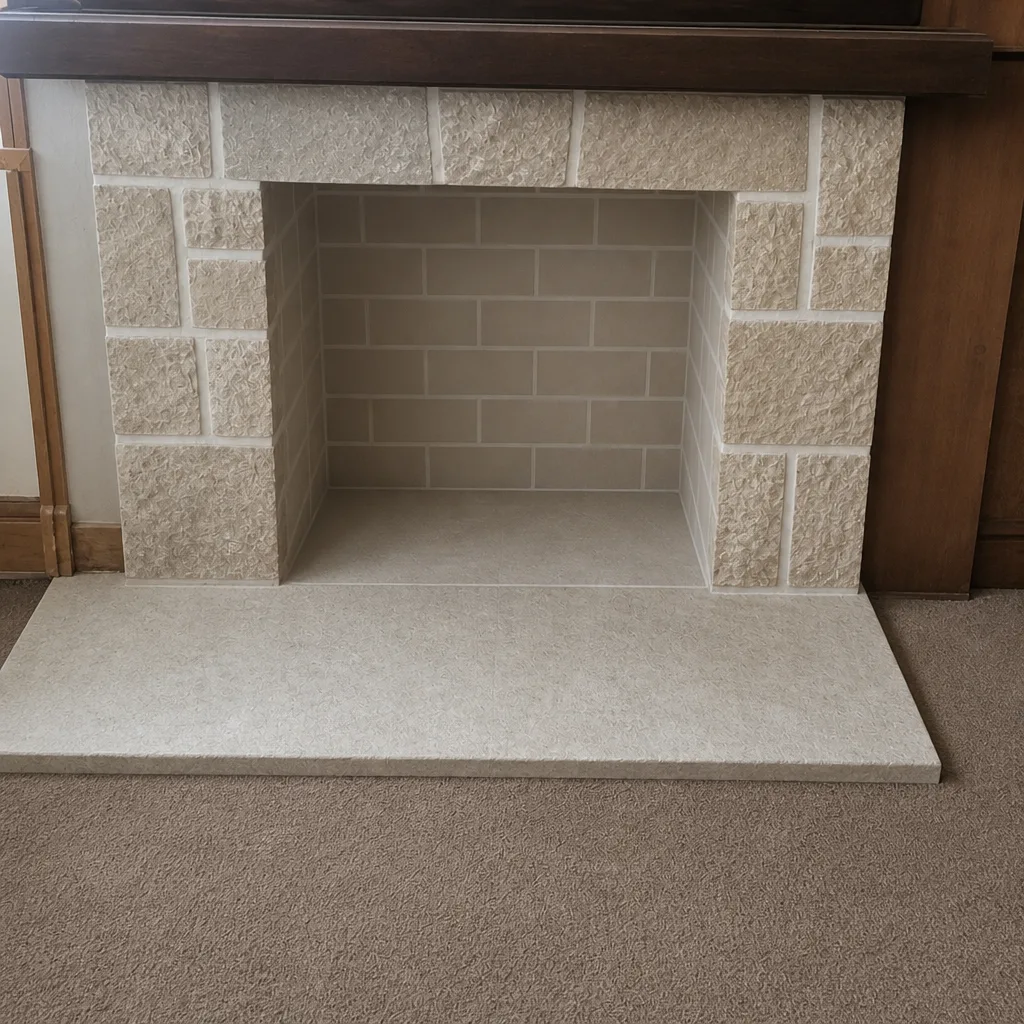 After
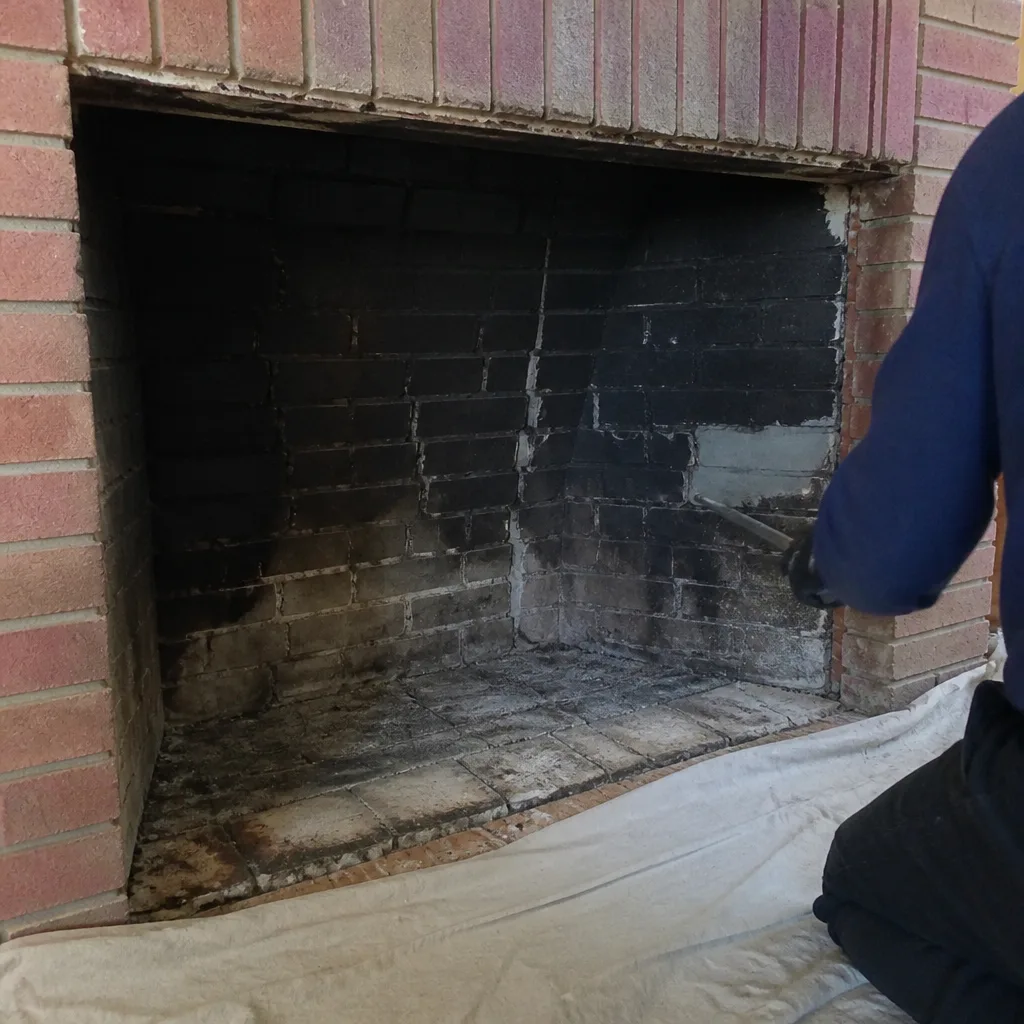 Before
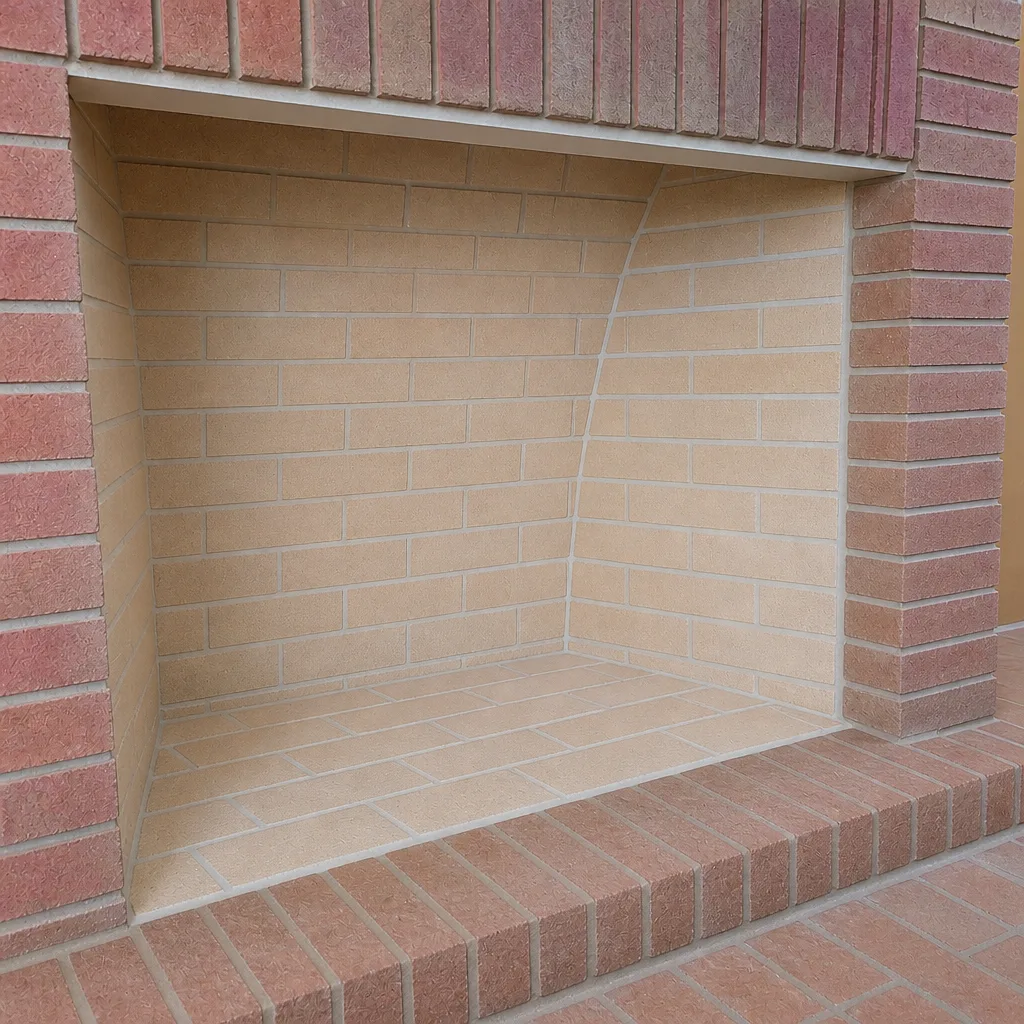 After
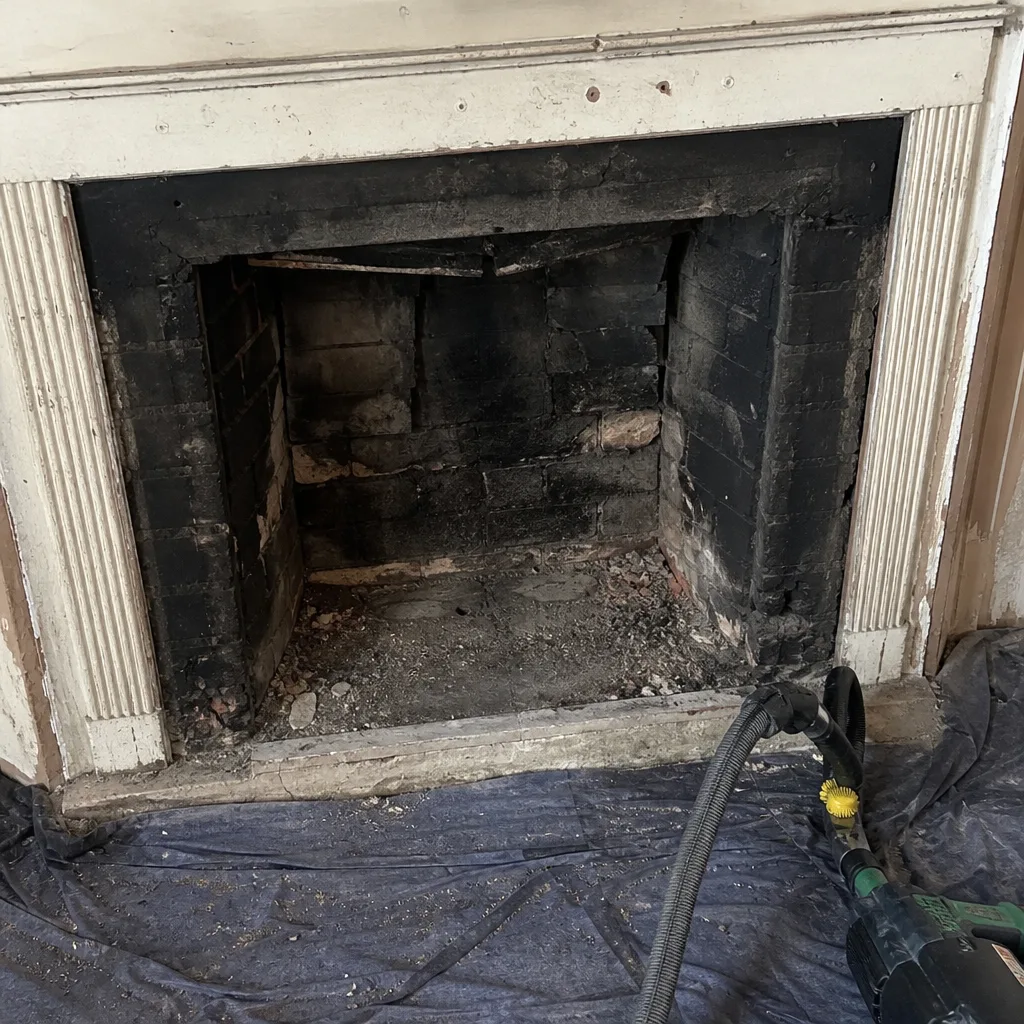 Before
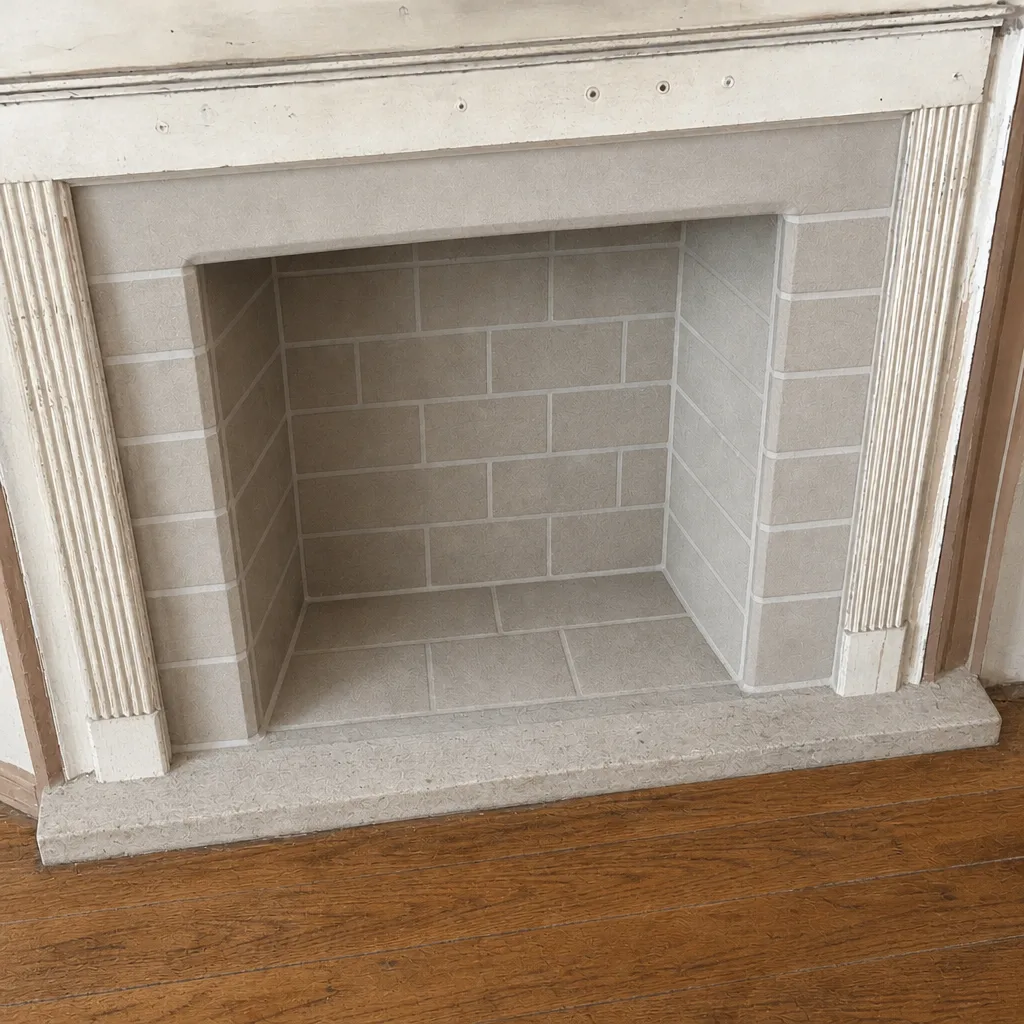 After
Our HeatShield Service Process – Step by Step
- 1
Diagnosis. We run a camera inspection of the flue, firebox, smoke chamber and crown, and photograph what we find. For HeatShield work, this is where we determine whether an existing application failed on prep or on substrate, because those lead to different fixes.
- 2
Repair or install. The flue gets swept and creosote removed first. Then we prep the surface for the specific system going on, whether that’s priming a clay tile flue for ShieldFlue or cleaning a crown top back to sound masonry for ShieldCrown. We match the formulation to the flue type.
- 3
Test. After the material cures per specification, we re-inspect with the camera and check draft and venting. You see the footage from both passes.
- 4
Warranty and records. We leave you with the documentation of what was done and the product used, which is what you’ll want if your homeowner insurance or a future buyer asks. Any warranty terms come from the product manufacturer, and we’ll explain what applies.
HeatShield Products We Service & Install in Flatbush
We service and install the HeatShield systems that come up most in Flatbush’s older masonry chimneys.
- ShieldCrown for crown repair, including re-forming a crown that’s cracked at the flue collar.
- ShieldFlue for flue resurfacing over clay tile lining.
- HeatShield Resurfacer for firebox and smoke chamber coating.
- HeatShield refractory mortar for firebrick joints and damper-frame joints.
Which one applies to your chimney depends on the flue type and what the camera shows. We don’t guess, and we don’t apply a system to a surface it isn’t specified for.
We Also Service These Brands
HeatShield is one system among several. We also fit DuraFlex flexible liner systems for retrofits where rigid liners won’t follow the flue path, and Gelco caps and components for weatherproofing the top of the stack. On Flatbush’s older and non-standard chimney configurations, having more than one brand option means the right material for the flue rather than the one a single-brand shop happens to sell.
FAQs – HeatShield Chimney Cleaning Service in Flatbush
No. We’re an independent HeatShield service provider, not an authorized dealer or agent, and we don’t claim any endorsement or authorization from the manufacturer. We work with HeatShield systems because they’re the right material for certain flue and crown repairs, and we apply them to spec.
Not without removing the glaze first. Glazed creosote is a hard, shiny layer that no coating will bond to, and applying ShieldFlue over it means the cement releases later in sheets. The correct sequence is a proper sweep and creosote removal, then inspection of the tile, then resurfacing. If the glaze is heavy, that removal takes longer and we quote it as part of the job. Call (866) 937-7157 if you’ve had a failed coating and want the flue inspected.
You usually can’t from the ground, and that’s the honest answer. Both look similar from below. The difference shows at the crown-to-flue bond and in how the material behaves through a few winters. A ShieldCrown application that was prepped properly tends to hold that joint; ordinary mortar, or ShieldCrown applied over an unprepared crown top, cracks there first. An up-close inspection is the only reliable way to know. Call (866) 937-7157 to book one.
It can, if the spalling is surface-level and the brick behind it is sound. Resurfacer is designed to restore a firebox surface, but it can’t rebuild brick that’s structurally failing or deeply spalled. That’s a judgment made on inspection, and if the brick is too far gone, the honest answer is firebrick replacement rather than a coating. Call (866) 937-7157 for an inspection before you commit to either.
It can, if the leak is coming through a cracked crown at the flue collar. That’s the most common water path on Flatbush chimneys, and re-forming the crown with ShieldCrown after cleaning back to sound masonry closes it. If the water is getting in through failed flashing, brickwork, or a missing cap, a crown repair alone won’t solve it and we’ll tell you which is which. Call (866) 937-7157 and we’ll trace the leak before quoting anything.
It depends on the appliance and the venting configuration, and it isn’t a decision made without inspection. Many Flatbush homes have gas appliances venting through flues originally built for something else, and HeatShield systems are specified for particular flue types and conditions, not universally. We’ll look at what you have and tell you what applies. Call (866) 937-7157 to talk it through.
Typical estimates for HeatShield-related work in Flatbush run roughly $250 to $650 for crown repair with ShieldCrown, $1,200 to $2,800 for ShieldFlue resurfacing on a standard flue, and $400 to $900 for Resurfacer work in a firebox or smoke chamber, depending on flue length and condition. Those are estimates. The written estimate you receive after inspection sets the final price, and it’s free. Call (866) 937-7157 for an exact quote.
Written by the team at Chimney Sweep Flatbush.